How’s That Computer Strike-Calling System Working?

My verdict: it’s an improvement over relying entirely on the fallible home plate umpires, but ethical problems remain.

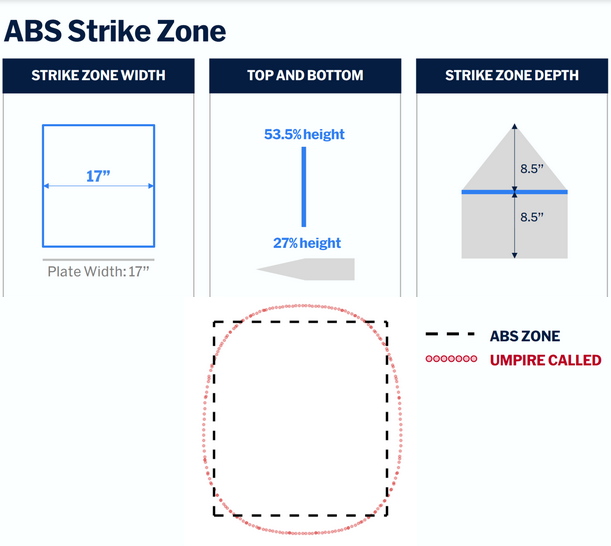
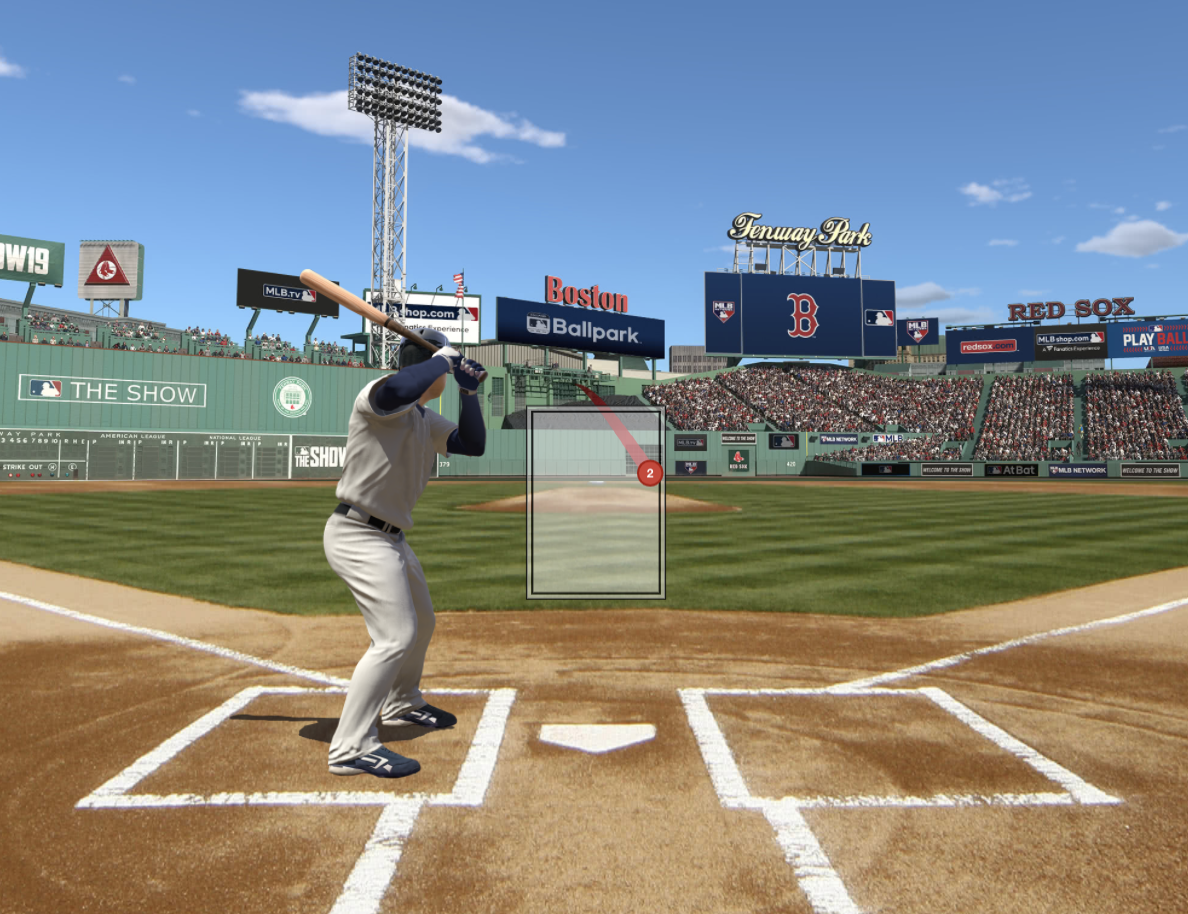
The current system gives each team two challenges if they think a ball or strike call is wrong. The teams can keep challenging as long as the ABS (Automated Ball and Strike) system backs their judgment. If a challenge proves mistaken, the team loses the challenge.

We have learned that knowing when a ball or strike call is wrong from the players’ perspective is harder than it looks. A few players are really good at it, but most are not. Because the prospect of a key pitch call being blown at a crucial juncture late in the game when the victimized team is out of challenges looms large, players have become increasingly reluctant to challenge pitches early in a game.

Ironically, the system takes accountability from umpires in some cases. In a recent Red Sox game, Boston’s opponent was out of challenges. In the 7th inning with the game close, a 3-2 pitch was called out of the strike zone, and Boston’s batter walked to first base with two outs. The pitch was, in fact, a strike, and should have ended the inning. Instead, the Sox had a long rally, scoring six runs. The announcers harped on the fact that it was the miscalculations of the losing team in using up their two challenges that opened the floodgates, but that’s not why the team lost. The team lost because the umpire blew the call, and it’s his job to call pitches correctly.

This situation, and there have been many of them so far this season, convinces me that players should not have to challenge bad calls, and the results of games should not depend on whether an umpire’s botch is challenged or not. The ABS system knows when a ball is in the strike zone with every pitch. If an umpire calls a ball a strike or vice-versa, the bad call should be instantly overturned without having to be challenged.
Ethics Dunces: The San Francisco Giants

Unbelievable.

But then, it is San Francisco, after all.

For some reason, the San Francisco Giants first year manager, Tony Vitello, couldn’t figure out that his outfielders’ post-victory celebratory ritual was inappropriate in a public venue, on TV, while playing America’s Pastime in front of family audiences.

The Commissioner’s office finally told them to cut it out. Why it took until May, I have no idea.

I would have fined the manager, the players and the team. A lot.

Morons.

Ethics Musings As The Baseball Season Begins…

Technically the baseball season began last night, but that was just a Yankee game so I decided to hold this post until this morning.

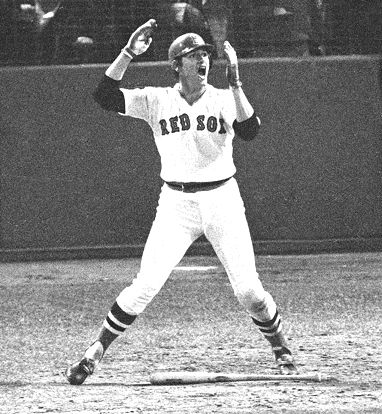
As I wrote to my email pal, the excellent MLB correspondent for the Boston Red Sox Ian Browne, “Well, the new season is upon us! Here’s how sappy I am: just played “Tessie” and got choked up, then looked at my photo of Tony Conigliaro from 1967, and got more choked up. Where the Sox are concerned, I’m always 12-years-old.” And I posted this iconic photo…

… from legendary Game 6 of the 1975 World Series. I was there, but I didn’t see Carlton trying to guide his game-winning blast fair. I was watching, as everyone else was, that ball sail into the night and over the Green Monster.

Baseball takes up a lot of my time, and it’s time I cannot afford, one could argue. Yet I have learned as much about ethics and life from the sport, and particularly the Boston Red Sox’s epic journey through it, than from all other aspects of my experience combined. I have learned about loyalty, bravery, sacrifice, honesty, duty, responsibility, coping with disappointment and finding solace in failure, nobility, respect, the chaos of existence, and that there is always hope, promise and redemption in the future—maybe.

A Brief But Trenchant Baseball Ethics Note…[Updated]

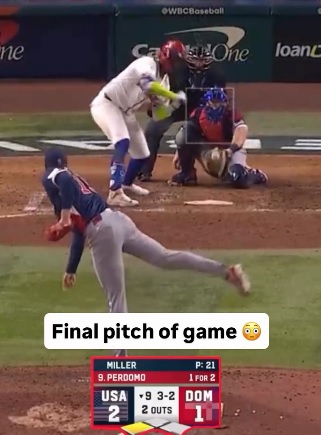
Above you can see the final pitch of the USA-Dominican Republic semi-finals last night in the ongoing World Baseball Classic. That 2-out, 9th inning pitch was called a strike on a 3-2 count, meaning that the Dominican shortstop Perdomo was out, and the U.S. had won a tight 2-1 victory sending it into the championship game against either Venezuela or surprise “Cinderella” squad Italy.

Winning is nice; winning legitimately is better. That pitch was a ball, as you can see. if the umpire had called the pitch correctly, Perdomo would have advanced to first, and the DR’s best player in the tournament, Fernando Tatis, would have come to the plate with the tying run on third base and the winning run on third.

In the 2026 MLB season that starts soon, the new ABS system will be underway. After a botched call like that one, the batter will touch his cap and say “Challenge!” and the image of where the pitch was relative to the strike zone will flash on a screen, showing that the umpire was wrong, reversing the call.

No baseball game, especially an important one, should end on a terrible call like the one that eliminated the Dominican Republic team. If this doesn’t convince the bitter-enders and “traditionalists” who oppose getting ball and strike calls right when the technology exists to do so, nothing will.

UPDATE: ESPN’s Jeff Passan just posted,

“That was a wonderful baseball game. Tension. Drama. Passion. Pride. Everything baseball can be. Everything you want baseball to be. So, for it to end on a called strike three by home plate umpire Cory Blaser on a Mason Miller slider that was clearly below the zone was such a gut punch, not just to the Dominican Republic players, whose country cares more about the WBC than any, but to a game that deserved better. ABS cannot come soon enough because this should be about the quality of the game, which was tremendous, and not the bitter taste left due to human fallibility.”

Comment of the Day: “Ethics and Human Nature Observations on Ethics Mega-Dunce Jurickson Profar”

The recent post about a highly-paid baseball player recently being suspended for the entire next season after being caught using forbidden PEDs (performance-enhancing drugs) inspired a fascinating comment by Ryan Harkins that examined an entirely separate aspect of the incident than any I had considered.

There is another angle on the case that I missed too. I had focused on how foolish it was for a player who had already achieved a guaranteed contract to risk it by cheating; so far, offender Jurickson Profar has forfeited over $20 million. But in today’s Athletic, Brittany Ghiroli observes that even though he has been revealed to be a cheat and that the one outstanding season he had that caused the Atlanta Braves to sign him to a three-year, $42 million guaranteed contract was likely the result of “juicing,” Profar still will receive all of his salary for the final year of his contract, $15 million. She writes in part, regarding why players risk taking steroids in the first place, what she has been told by other players:

“Guys didn’t take performance-enhancing drugs thinking they were risking their careers. Many of them did it so they could have careers — so they could elevate their stats, sign a big multiyear deal and set themselves and their families up for life. Sure, there was a risk of getting caught and forfeiting some pay. But baseball contracts are guaranteed. So as long as they didn’t get caught three times, teams were on the hook to pay them. Big risk, big reward. And until that reward goes away, the risk will always be worth it to certain players.”

Her solution, which she says the players union will never allow, is to make a rule that being caught using steroids allows a team to cancel the rest of a players’ contract.

Ryan’s focus is on human nature’s trap that may have snagged Profar after he had won his rich contract. Here is his Comment of the Day on the post, “Ethics and Human Nature Observations on Ethics Mega-Dunce Jurickson Profar”:

***

Ethics and Human Nature Observations on Ethics Mega-Dunce Jurickson Profar

Observation #1: What an idiot!

Imagine: You are a mediocre journeyman baseball player past your prime and holding on the big league job by your fingernails. In desperation, you decide to cheat, using banned performance-enhancing drugs, risking suspension and a career of being regarded as untrustworthy by fans and future employers—and you get away with it, Not only that, but you have the best season of your career by far, make the All-Star team for the first time, and because you were playing out a one-year contract, you win a\three-year, $42 million guaranteed contract. It all worked! You have a job for three seasons, and you’re set for life. even if your arms fall off.

Then you cheat again, lose half of year one (2025) with an 80 game suspension, and cheat again, and get banned for an entire season. Total loss: 21 million dollars.

Meet Braves outfielder Jurickson Profar, possessor of one of my all-time favorite baseball names (along with Van Lingle Mungo , Urban Shocker and several others) who was just hit with his second PED offense and a 162-game ban, ESPN’s Jeff Passan reports. Now he’ll miss the entire 162-game season in 2026 and will get a lifetime ban if he gets a third positive test in the future, which, given his apparent IQ, seems plausible if not likely. Profar will not be paid his $15MM salary this season, and he will be ineligible for postseason play in 2026 if the Braves were to get into the playoffs, which his conduct has made less likely.

Profar turned 33 a couple weeks ago, so in baseball terms he is in the twilight of an undistinguished career with the exception of that single shock 2024 year where he played like he was on steroids or…oh. Right. He’s signed through the 2027 season and is owed a $15MM salary again in that disastrous (for the Braves) contract’s final year. They likely will release him as soon as Profar’s year-long ban is up. He has probably played his last game in the Major Leagues.

Observations (other than “What an idiot!”):

Robo-Umps Are Officially In Major League Baseball, and It’s An Ethical Development

Finally, Major League Baseball has conceded that with technology available to call balls and strikes accurately, it makes no sense to permit bad calls by human umpires to change the results of at-bats, games, careers and even whole seasons. In 2026 the “ABS” system will be in play, adding integrity, accuracy and, yes, strategy to the game. Good. It’s about time.

I’ve been advocating computerized ball and strike calls at least since 2017, when I wrote,

In the top of the eighth inning of a crucial Dodgers-Cubs NLDS game, Dodger batter Curtis Granderson struck out. The pitch hit the dirt, and Cubs catcher Willson Contreras, as the rules require when a strike isn’t caught cleanly, tagged Gunderson for the final out of the inning. Granderson argued to home plate umpire Jim Wolf that his bat had made slight contact with the ball. It didn’t. The replay showed that his bat missed the ball by at least four inches. Nonetheless Wolf, after conferring with the other umpires agreed that the ball was a foul tip. Gunderson’s at bat was still alive….

After the game, Wolf watched the video and told reporters that he had indeed, as everyone already knew, blown the call.

As it happened, his embarrassing and needless botch didn’t matter. Gunderson struck out anyway. That, however, is just moral luck. The call and the umpire’s refusal to reverse it was just as inexcusable whether it resulted in ten Dodger runs or nothing. The point is that such a call could have changed the game, and the series. If it had, the screams from Chicago fans and anyone who cares about the integrity of the game would have persisted and intensified until baseball abandoned its archaic rationalization that “human error is part of the baseball,” and made use of available technology to make sure such a fiasco can’t happen.

This scenario will occur. Human beings being what they are, however, it won’t play out until a championship has been lost after a strike three right down the middle of the plate is called a ball by a fallible human umpire, and then the lucky batter hits a game-winning, walk-off grand slam on the next pitch. Then, after the horse has not only fled but trampled the barn-owner’s children, Major League Baseball will put a lock on the door.

The barn door, however, is wide open now, and the lock is available.

Two years later, I complained about this foolish attitude by the baseball powers- that-be again, writing,

Frank Thomas Feels Insulted By The Chicago White Sox Black History Month Graphic. He Should Be.

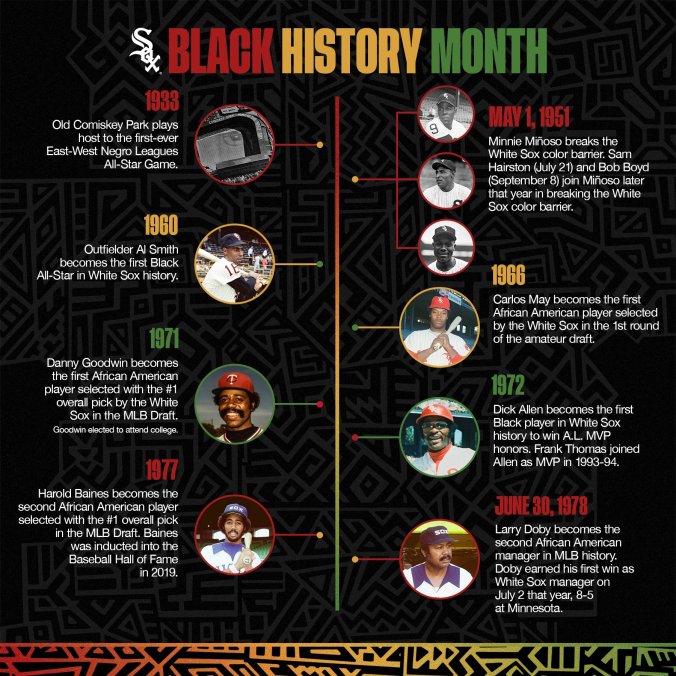
After the Chicago White Sox posted the above graphic to honor “momentous firsts for the White Sox organization related to Black History Month,” White Sox slugger and Hall of Fame member Frank Thomas, “The Big Hurt,” posted bitterly on “X”: “I guess the black player who made you rich over there and holds all your records is forgettable!”

Petty? Childish? I don’t think so. If you look at the graphic, Frank Thomas appears only a virtual footnote, an afterthought following the recognition of Dick Allen, nowhere near as great a player as Thomas and certainly not the credit to the game that Frank was, as the Chisox’s first black MVP. Yet if the purpose is to honor standout African -American members of the team over its long history, Thomas’s record should have earned him top billing.

Thomas played for the White Sox from 1990–2005, winning back-to-back American League MVP awards (1993–1994) and now holds franchise records for home runs (448), RBIs (1,465), and walks. He tied Ted Williams on the lifetime homer list with 521, and ended his career with a .301 lifetime batting average in an era when .300 averages have become rarer every year. Thomas has the highest on-base percentage of any modern player who wasn’t Barry Bonds, as in “a freak steroid mutation that pitchers were afraid to pitch to.”

Thomas isn’t just the greatest black player in White Sox history, he is the greatest player in White Sox history of any color or ethnicity. But Thomas’s snub by his team is even more outrageous than those facts suggest.

Chicago is one of the eight original teams in the American League, meaning that the franchise has been operating as a major league team since 1901. Of the eight, only the White Sox can boast that a black man was unquestionably its greatest player.

The greatest Boston Red Sox player was Ted Williams. The New York Yankees: Babe Ruth; the Cleveland Indians: Bob Feller or Nap Lajoie; the Detroit Tigers: Ty Cobb; Washington (now Minnesota): Walter Johnson ; St. Louis (now Baltimore): Cal Ripken; Philadelphia (now Las Vegas, previously Kansas City and Oakland): Jimmy Foxx. All white. Frank Thomas stands alone as the sole black star to dominate an American League franchise over 125 years. If the idea is to honor “firsts,” he is the first black star in the league to achieve the status of all-time franchise great.

So the Chicago White Sox, seeking to celebrate Black History Month, minimized the impact, contributions, achievements and reputation of its greatest player, even though he is black.

Frank Thomas regards that as a slap in the face, and I don’t blame him.


Confronting My Biases #27: Middle-Aged Men Wearing Basball Caps Backwards

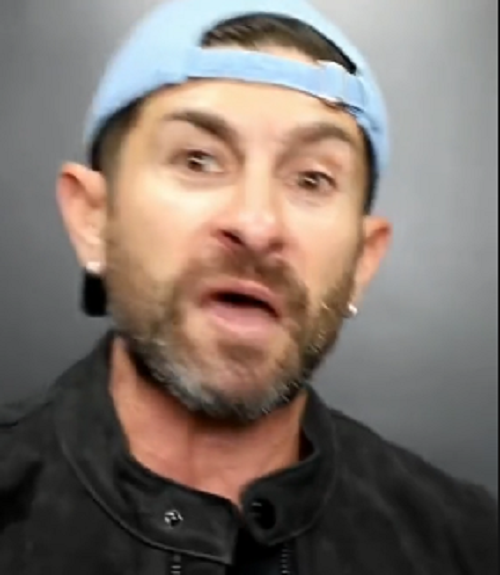
I started really being annoyed at this when “The Gilmore Girls,” an annoying chick TV series to begin with, began featuring the single mom’s boyfriend who wore his cap like the guy in the photo. The graphic is a screen shot from a Tik-Tok video in which the guy is railing against wearing caps like that because you look like an idiot when you do. Verdict: True. In fact, I assume anyone who wears a baseball cap that way IS an idiot. It looks stupid, it defeats the purpose of the brim—there is no excuse for it whatsoever, except, in the opinion of the guy in the video, it is an attempt to look “like a ‘bad boy.'”

Oh. Well that’s all right then!

Continue reading

Employee Ethics and Professonalism: The Anthony Rendon Saga

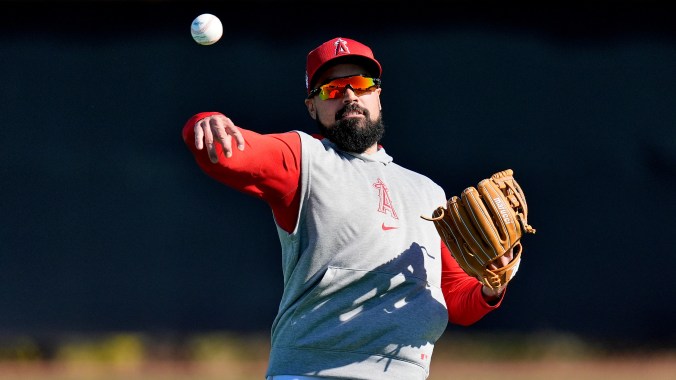
The Los Angeles Angels (it’s a baseball team. Sheesh…) are in talks with long-time disappointment third baseman Anthony Rendon about buying out the final year of his contract. Rendon wants to retire, but doesn’t want to forfeit the final year, $38 million bucks of it in his seven-year, $245 million long-time contract that has become an albatross for the Angels and a bonanza for him. Rendon spent the entire 2025 season recovering from hip surgery, as was typical of his Angels tenure. He was paid all the same.

The 35-year-old has been limited to playing in only 205 of a potential 648 games since 2020, due to injuries to his left groin, left knee, left hamstring, left shin, left oblique, lower back, both wrists and both hips. He has never played as many as 60 games in any of the four 162 game seasons. When Rendon was able to play, he wasn’t very good. The Angels had made Rendon the game’s highest-paid third baseman in December 2019, whereupon he performed well in the pandemic-shortened 2020 MLB season (which I don’t think counts) and that was the end of his productivity.

Rendon has famously stated that he doesn’t really like baseball, he just happened to be good at it. It’s just a job to him, not a passionate pursuit that he cares about; he doesn’t care about the accolades or attention either. Did his lack of passion contribute to his failure to suit up and take the field because of all the injuries? Nobody can say.

Continue reading