2023 Introduction
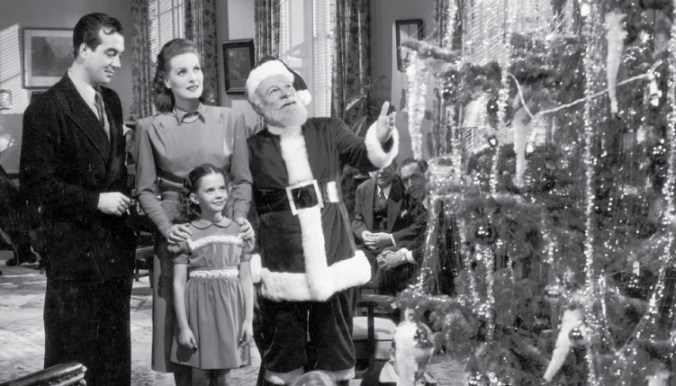
What makes “Miracle on 34th Street” the most appropriate classic Christmas film for 2023 is its theme: the importance of conquering cynicism and pessimism, and always keeping one’s mind and heart open to hope. This has been a truly awful year, not one of the worst in our history but to a lot of Americans it seems that way (because they “don’t know much about history,” like Sam Cooke), but bad enough that we should be glad to see it go. I know my year has been especially miserable on multiple fronts. Nonetheless, I remain, at heart, about 12 years old. The same things make me laugh; my level of optimism remains high; I believe in this nation’s miraculous ability to somehow get out of the fixes it gets itself into; I’m still a romantic, and, yes, I think with a little luck and one more starting pitcher, the Boston Red Sox can make it to the World Series next year. I am being constantly confronted with old friends, some much younger than me, who have suddenly decided to be old: they think old, they act old, and they seem to have given up the future as irrelevant. The Santa Claus myth represents faith in the possible, or rather the impossible. Yes, its easier when you are a child, but it is worth the fight to never lose the part of you that still believes in magic and miracles. Kris Kringle really isn’t Santa Clause: he’s nuts, basically. But somehow that tiny wisp of a hope that he might be the real Santa is alive at the end of the movie. It’s really quite wonderful. It’s also important.
The production of “Miracle on 34th Street” itself epitomizes the ethical values of competence and integrity. Watch any of the attempts to remake the film over the years; some aren’t bad, but none equal the original, or even justify a remake that places the story in contemporary times.There have been four remakes starring, as Kris Kringle, Thomas Mitchell, Ed Wynn, Sebastian Cabot, and Richard Attenborough. That’s a distinguished crew to be sure. Mitchell was one of the greatest character actors in Hollywood history. Wynn was nominated for an Academy Award (for “The Diary of Ann Frank”) and Attenborough won one, Best Supporting Actor Award in 1967 for “The Sand Pebbles.” Cabot wasn’t quite in their class, but he was a solid pro, and looked more like Santa Clause than Mitchell, Wynn, or Attenborough.
None of them, however, were as convincing as Edmund Gwenn. He made many movies—all without a white beard— and had a distinguished career in films and on stage, but even audience members who knew his work had a hard time reminding themselves that he wasn’t Kris Kringle while they watched the movie. I still have a hard time.
The film is one more example of the special, unappreciated talent of Maureen O’Hara, who never was quite regarded as a top rank a movie star, as lovely and strong an on-screen presence as she was. Her ability to anchor great movies while never dominating them is the epitome of the “collaborative art” they always blather about during the Oscars, but which is seldom truly honored. O’Hara was the female lead in four genuine classics: “The Hunchback of Notre Dame,” “The Quiet Man,” “How Green Was My Valley,” and “Miracle on 34th Street.” She also starred in the original “The Parent Trap” for Disney.
“Miracle on 34th Street” is an ethics movie in part because its artists committed to telling a magical story and charming audiences by working as an ensemble selflessly and efficiently. John Payne, as the idealistic lawyer in love with Maureen, is never flashy, just completely convincing. One reason may have been that, as he told an interviewer once, the role of Fred Gaily perfectly matched his own ideals and beliefs. This is the magic of performing talent: they make audiences suspend disbelief because they seem to believe in the story and characters too. The director, George Seaton (who also directed “Airport,” which is NOT an ethics movie), also wrote the script that won him an Oscar. He cast his movie brilliantly, and making the correct but bold decision to stick with a matter-of-fact, realistic, unadorned style that keeps the story grounded. There are none of the corny features or inexplicable gaffes in this film that make other holiday-themed classics inherently unbelievable, like the cheesy battlefield sets in “White Christmas” or the heavenly dialogues in “It’s a Wonderful Life.”
“Miracle on 34th Street” is, as I said at the start, about the importance of believing in good things, hopeful things, even impossible things. Today many of my friends, colleagues and associates are depressed and fearful of the future—their future, the future of the nation, even the future of the planet. (The planet will be fine…the rest? As Samuel L. Jackson says in “Jurassic Park, “Hold on to your butts.”) “Miracle on 34th Street” reminds us that wonderful things can happen even when they seem impossible, and that life is better when we believe that every day of our lives. Of course, some days are easier than others.
Never mind. As the Fairy Godmother in the musical version of “Cinderella” sings, “Impossible things are happening every day.” Continue reading →




 Ethics Alarms