I like the show in general, but its writers need to catch up with the Rules of Professional Conduct and their interpretation.
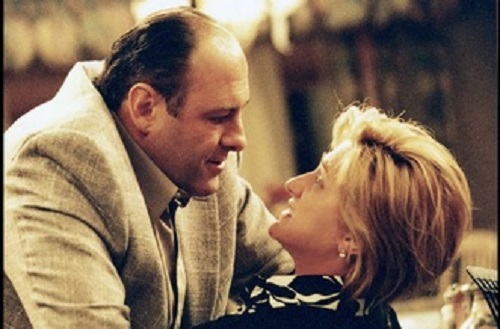
Twenty years ago, in “The Sopranos,” Tony and his wife Carmella were having marital problems—gee , I wonder why?—and Tony was tipped off that she was looking for a divorce lawyer. So Tony contacted every major divorce lawyer he could find to tell them all about his marriage on the pretext that he was considering retaining one of them.. The idea was to conflict them all out of representing her, because they had received confidential communications from Tony.
Rule 1.18, relatively new at the time, held that lawyers had to keep the confidences of even potential clients, making such a dastardly tactic possible. But not long after that episode of “The Sopranos” revealed the loophole in the rules, courts and legal ethics opinions closed it with the sensible holding that someone only consulting a lawyer to create a conflict and not as a good faith effort to seek legal representation was not a genuine potential client.
Nevertheless, in the current season of “The Lincoln Lawyer,” Mickey’s newly minted lawyer associate (and ex-wife) says she got her first family law client because the woman had been frozen out of hiring the established divorce lawyers after her louse of a spouse had pulled Tony’s old trick.
True, it’s not always easy to prove that an estranged spouse is seeking conflicts rather than a lawyer. Nonetheless, lawyer TV shows are ethically obligated not to deceive the public. Tony Soprano’s method is unlikely to work now, and hasn’t been viable for at least a decade.
In one area, “The Lincoln Lawyer” deserves praise for properly representing a lawyer’s duty that Hollywood almost always ignores. Whenever Mickey Haller, “The Lincoln Lawyer,” is presented with a plea deal or another offer from the opposing attorney, even if Mickey makes it clear that he thinks the offer is ridiculous, he always says, “I’ll run it by my client,” which he has to do. But even in some of the most celebrated legal films, like Paul Newman’s “The Verdict,” the lawyers don’t do that. As a result, many clients don’t know their attorney can’t reject or accept a settlement offer without consulting them. That misconception can cause real harm.
The previous installments of these legal ethics commentaries on the streaming series can be found here, here, and here.
 Ethics Alarms
So that’s where that came from. Talking to all the divorce lawyers in town is offered as advice almost daily on Reddit. Glad to know it’s not true.
Also one of many reasons I don’t follow Reddit. I generally agree with “The Wisdom of Crowds,” but not there.
The current season has dashcam and bodycam footage showing the arresting officer receiving txt and preparing to go after Haller before the pretext (a missing license plate) can be seen by the officer. I.e. he was set up. Haller starts questioning the officer but drops the matter when he sees his daughter in court. He doesn’t want to get off on a technicality! A show needs to have at least some plausibility! There isn’t a lawyer alive who would act like this.
1. Which is why it is said that the lawyer who represents himself has a fool for a client.I also thought that was a crazy call by TLL.