The key question in determining whether José Rubén Nava Noriega is the worst and must untrustworthy zookeeper ever rests on the basic question: How could one be worse? Almost ten years ago, there was a management scandal the National Zoo in Washington, D.C. in involving multiple cases of negligent animal care. This guy makes the zookeeper in that episode seem like Dr. Doolittle by comparison.
Noriega, the director of Chilpancingo Zoo in Guerrero, Mexico, had only been in charge for a few months before an investigation found out that he was, to put it mildly, not doing a very good job. He had authorized animal trades with fake invoices to justify money transfers. He traded rare watusi bulls for building materials and tools that he either sold or hid. Animal births and deaths weren’t recorded, as zoo policies required. Most mysterious of all, his zoo somehow managed to lose 10 reptiles, a jagurundi, a coyote, several birds, and four of the zoo’s ten pygmy goats.
At least the missing pygmy goats mystery was solved: Noriega ate them. Well, not just him: Noriega had the four goats slaughtered, roasted and served to the whole staff at a New Year’s party. (My wife was once attacked by pygmy goats at the London Zoo. I have pictures!)
The goats are apparently not edible. “They were not animals suitable for human consumption,” the Secretary of Environment and Natural Resources told reporters. Now, if Noriega had eaten some other zoo animals, that would have been OK. Well…better.


 Ethics Alarms
There is a little more to it than that:-
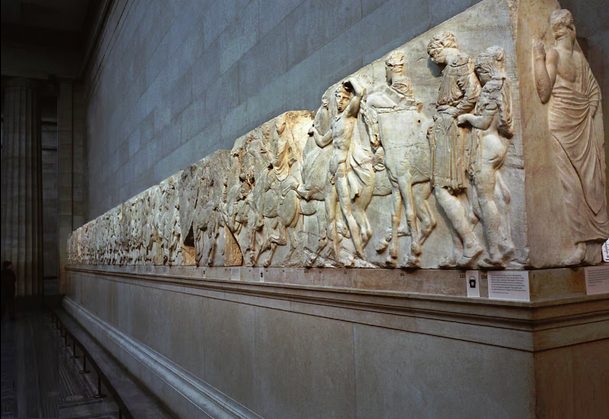
– On the legal maxim of “nemo dat quod non habet”, of course the Turks couldn’t convey title. But they didn’t, they offered a quitclaim, as it were; they removed themselves from obstructing.
– As regards any original owners, there simply weren’t any left. The last remaining ones were ended by rounds of persecution of pagans, centuries earlier.
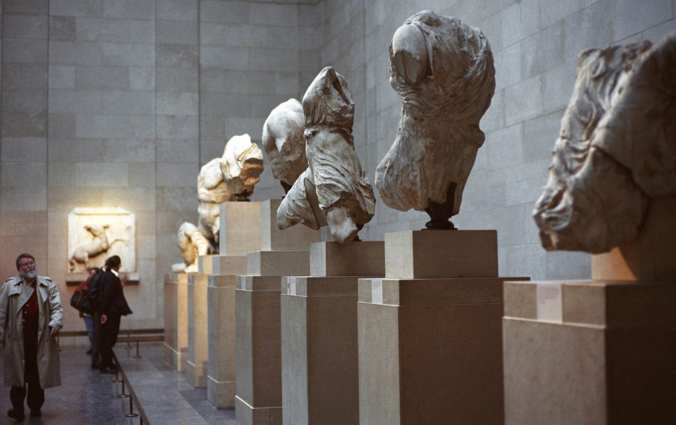
– As far as any generic claims of common heritage of western civilisation go, and those claims only go for want of better (there being no direct heirs), what better place to put the items than in a museum furthering that common heritage? Are the British somehow less heirs of that than are the Graeculi? Particularly considering how much safer the items were in that museum(those not taken have suffered horribly from war, corrosion, and what not). And, of course, the very word “museum” proclaims that furthering that common heritage.
Now, none of that conveys title to the British Museum, but adverse possession in the years since does – adverse, in that no better claimant came forward. Just as today’s Greeks feel an understandable connection to these items, as they do to the Lions of St. Mark’s, so too do today’s British – and as today’s Venetians do to the Lions of St. Mark’s. They are as intertwined with the histories of each place as of the other.
The Solomonic solution would be to sand blast the items to the condition of those not taken if any effort to transfer them were ever made. But I expect the Sir Humphreys will loudly assert ownership while underhandedly arranging a loan in name only with no means of foreclosing, just as they have with foundational documents that ought to have remained in British archives. That would satisfy none but the Sir Humphreys.
Continue reading →