The comments regarding yesterday’s ethics quiz have been varied and vigorous. As to the quiz question itself,
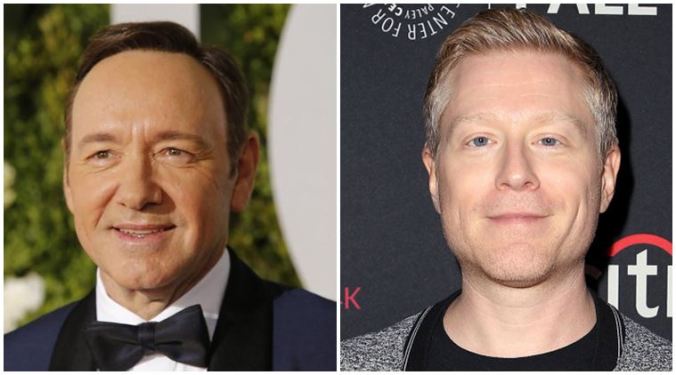
Is [Anthony] Rapp’s public accusation [against actor Kevin Spacey alleging that Spacey sexually assaulted him 30 years ago when Rapp was only 14] fair, responsible, and ethical?
I have arrived at my answer, and am abashed that I didn’t see it immediately.
No, the accusation was not fair, and it was unethical. It fails all ethical systems. It is a Golden Rule breach: What Rapp did to Spacey is not how he, or anyone would want to be treated. The fair and decent thing would have been to confront Spacey privately. Maybe Rapp has distorted the incident over time; maybe Spacey is as remorseful and embarrassed by the incident as Rapp has been traumatized by it. All of us would want at least a chance to explain or make amends before being exposed…in Buzzfeed(!?).
Other observations, as Spacey is being metaphorically disemboweled by an angry mob…
- Rapp also stomped on Kantian ethics, which forbids using human beings as a means to an end. Rapp says his goal was “to try to shine another light on the decades of behavior that have been allowed to continue because many people, including myself, being silent.” Wait: is there a shred of evidence that Spacey engaged in such conduct over “decades”? Is there any indication that Rapp is protecting future teens from his assaults? No, he’s just jumping on a train, joining a virtue-signalling mob engaged on what appears to be a scalp-hunting expedition. His late hit on Spacey didn’t stop a predator (as with Weinstein), didn’t report a crime to authorities (the statute of limitations is long past), didn’t accomplish anything postive and productive involing Spacey at all. I was just symbolic, and Kant, correctly, holds that it is unethical to destroy real human beings to make a political, social or culotural point, in this case the point being, “Don’t stay silent for 30 years if you have been abused, harassed or molested!”
This also fails any Millsian or Benthamist test of utilitarianism. The ends accomplished by Rapp’s accusation consist almost entirely of destroying Kevin Spacey. What else? I suppose its a warning too: anything you did that society will regard as worthy of making you a pariah can be revealed by an angry, vindictive or politically motivated alleged victim at any time, and you will have no recourse. Call it the Anita Hill Principle. That’s not enough of a “benefit” to society to destroy someone’s life. We have the Weinstein example, and the Bill Cosby saga. They were–are?—both serial offenders. Taking out Kevin Spacey based on one very old incident is not a means justified by any end.
- Upon examination, Spacey’s response was a mistake and an ethics botch on multiple levels. Here it is again:
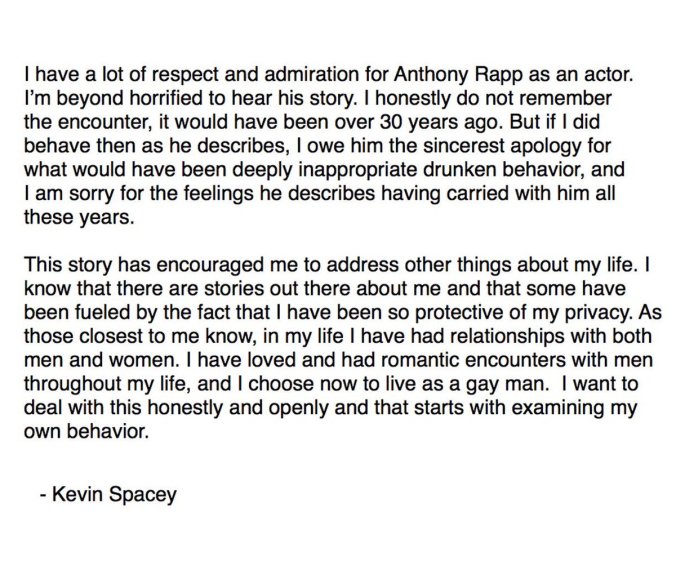 First, here we have another example of why Twitter is dangerous. Spacey is a smart guy, yet he foolishly, in his rush to deal with this crisis, authored his own rapid response on social media. In the old days, as my late friend Bob McElwaine, Hollywood publicist for Danny Kaye, Dean Martin, Robert Mitchum and many other stars, told me, he job was to make sure nothing attributed to his Hollywood clients was authored by them. Continue reading