
Having spent a fair amount of time yesterday and today in a hospital, I was reminded of this post that had been stalled on the runway…
In November of last year, Netflix began running “The Good Nurse,” a disturbing movie based on the real story of Charles Cullen, a serial killer-nurse (played by Eddie Redmayne in the film), who murdered between 45 and over 400 patients at a series of hospitals and medical facilities in New jersey and Pennsylvania over a 16-year period. The film concentrates on the colleague who finally brought him down, Amy Loughren, a fellow nurse and freind (played by Jessica Chastain) who alerted the police after she became suspicious of Cullen’s links to patient deaths as well as his irregular computer accessing of medications.
The real horror of the film and the facts is that so many of the administrators of the hospitals where Cullen committed his murders either strongly suspected that he was killing patients, were certain he was, or resorted to contrived ignorance to avoid discovering what was right in front of their staff’s eyes. At least 16 hospitals fired Cullen on various other grounds and gave him sufficiently ambiguous recommendations to allow him to find new employment where he could kill again. Law enforcement authorities were also alerted by hospital staff more than once, and let Cullen slip through their fingers. Continue reading


 Ethics Alarms
There is a little more to it than that:-
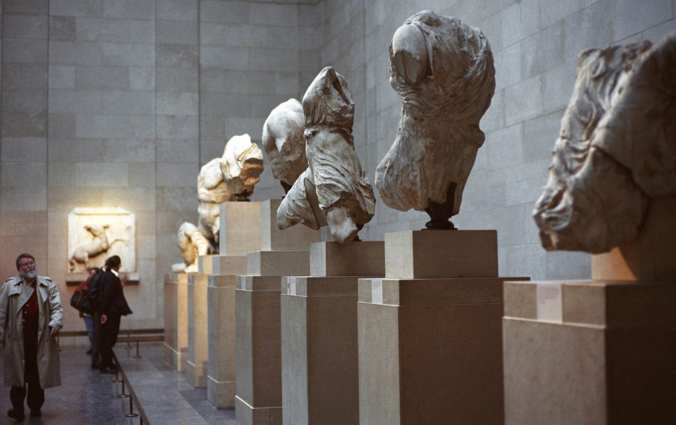
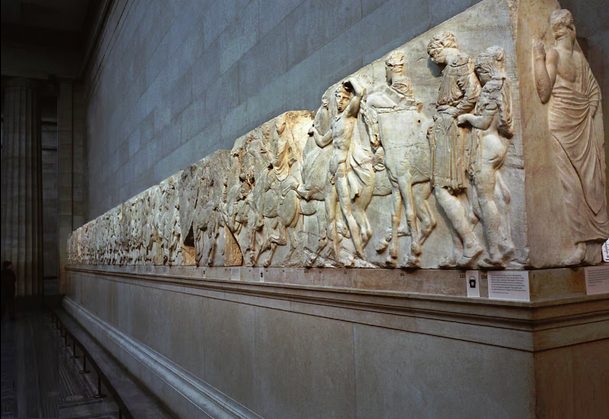
– On the legal maxim of “nemo dat quod non habet”, of course the Turks couldn’t convey title. But they didn’t, they offered a quitclaim, as it were; they removed themselves from obstructing.
– As regards any original owners, there simply weren’t any left. The last remaining ones were ended by rounds of persecution of pagans, centuries earlier.
– As far as any generic claims of common heritage of western civilisation go, and those claims only go for want of better (there being no direct heirs), what better place to put the items than in a museum furthering that common heritage? Are the British somehow less heirs of that than are the Graeculi? Particularly considering how much safer the items were in that museum(those not taken have suffered horribly from war, corrosion, and what not). And, of course, the very word “museum” proclaims that furthering that common heritage.
Now, none of that conveys title to the British Museum, but adverse possession in the years since does – adverse, in that no better claimant came forward. Just as today’s Greeks feel an understandable connection to these items, as they do to the Lions of St. Mark’s, so too do today’s British – and as today’s Venetians do to the Lions of St. Mark’s. They are as intertwined with the histories of each place as of the other.
The Solomonic solution would be to sand blast the items to the condition of those not taken if any effort to transfer them were ever made. But I expect the Sir Humphreys will loudly assert ownership while underhandedly arranging a loan in name only with no means of foreclosing, just as they have with foundational documents that ought to have remained in British archives. That would satisfy none but the Sir Humphreys.
Continue reading →