The word “lie,” one of the more basic terms in the ethics field, has been thoroughly blurred by a malign combination of ignorance, poor analytical skills, and partisan rhetorical dishonesty. A lie is an intentional misrepresentation of facts and truth in order to deceive. Genuine mistakes aren’t lies. Deliberate hyperboles made for effect but still obvious exaggerations are not lies. Jokes are not lies. Delusions aren’t lies. Opinions are not lies. Asserting a belief that one cannot reasonably know to be true is not a lie. A broken promise is not a lie if the promise was made sincerely. A prediction that does not prove accurate is not a lie. One contradicting what he or she once asserted as a strongly held belief does not prove hypocrisy—a variety of lie—if the individual has generally changed his or her belief in the interim.
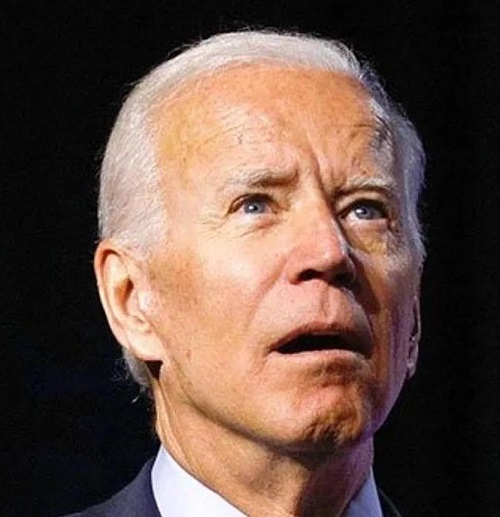
In his brief interview with The New York Times last week former President Biden said that he orally granted all the pardons and commutations issued at the end of his term. Those who have suggested that the Presidential autopen was used without his knowledge by aides for such edicts are “liars,” Biden said.
“I made every decision,” Biden insisted.
What value is that interview? First, we know that Biden lies to enhance his own reputation: surely he wouldn’t admit that he was a cardboard cut-out POTUS if that is indeed what he became. Given what we know about Biden’s mental state, he may believe he made every decision, even if he didn’t. If fact, how would he know one way or the other?