How Censorship Takes Root: The Wisconsin Interscholastic Athletic Association Bans Fun

high school fans

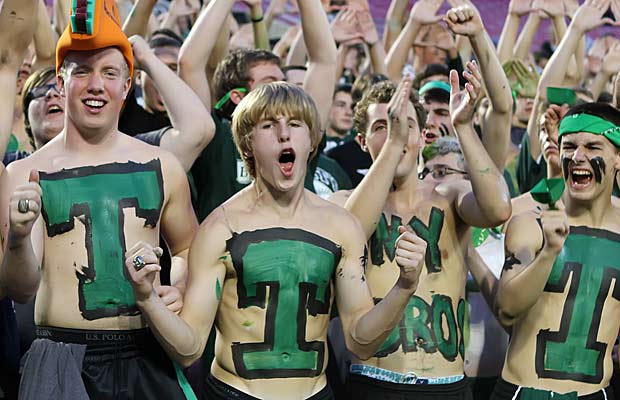
The Wisconsin Interscholastic Athletic Association has commanded students at high school basketball games to stop taunting, mocking or teasing the opposition, which as I recall was the only reason one attends high school basketball games. The WIAA  has published a guide to sportsmanlike activities, and much of it is reasonable and wise. Not its specific prohibitions for fans, however. The content-specific bans are redolent of campus hate speech bans, but even sillier.They do teach future adult citizens the uses of censorship by authorities, however.

Maybe that’s the idea.

Here are the prohibitions on fan speech and conduct (1-23) and also athlete conduct (24-29) that are identified in the guide (I’ve rearranged them a bit), which means that schools not controlling such conduct sufficiently to satisfy their fun-hating overlords risk official sanctions. The inexcusably censorious prohibitions are in red. The overly strict or general prohibitions are in pink. Continue reading

And The Solution To This Phenomenon Is Simply Ethics. Why Is That So Hard?

construction_workers_at_voi_bigWith her “Letter to the Guy Who Harassed Me Outside the Bar” , Emily Heist Moss makes me briefly wonder, not for the first time, why all men haven’t been murdered in their beds by an organized feminist vigilante posse. The conduct she describes is disgusting and infuriating just to read about, and I don’t even have to experience it.

The amazing thing is that this kind of ritual harassment would vanish with some slight behavioral additions to our culture, many of which once were the norm, habits of good conduct like etiquette,  manners, consideration, civility, fairness, kindness, respect, and the Golden Rule. They could become cultural norms again, and rather easily, I would think, with an increase in responsible parenting, a responsible popular culture, and the development of role models with integrity. Not featuring serial and unapologetic sexual harassers as stars of sitcoms (Charlie Sheen) and political conventions (William Jefferson Clinton) would help; so would a serious effort by Hollywood not to trivialize workplace harassment as cute or amusing, as in the long-running “Cheers,” or in current TV  dramas like “Criminal Minds” and “NCIS.”

Moss writes, Continue reading