Ethics Observations On The Academy’s Pro-Diversity “Fix”

Chris-Rock-Backstage-at-Oscars

Apparently panicked by the negative reaction to its all-white 2016 Oscar nominations,  and determined not to give MC Chris Rock more ammunition than he already has, the Academy of Motion Picture Arts and Scientists has rushed into place new voter qualifications for next year’s awards. Under the new rules, members who have not worked over the past 30 years  will lose the right to cast Oscar ballots unless they have been nominated for an Oscar themselves.

What’s going on here?

1. Is this substituting real bias for unfairly assumed bias?

Sure it is.

As one soon to be disenfranchised voter told the Hollywood Reporter, “The Motion Picture Academy, in the spirit of Affirmative Action (which has worked so well in our universities), is determined to take the Oscar vote away from the Old White Guys…Personally, I wish they’d examine their complex preferential ballot procedure which clearly isn’t working right. But no, blame the Old White Guys.” Others noted that to assume older voters, many who were at their peak during the rebellious Sixties and the Civil Rights Era, weren’t voting for black artists was foolish. The new rules seem to be an obvious attempt to stigmatize and penalize older voters.  The seniors, said one dissenting Academy member, are often “perfectly vibrant and very much with it and, while they may be retired, it doesn’t mean they aren’t functioning on all cylinders. They have earned the privilege of being in the Academy through their work and just because they’re no longer active doesn’t mean that they can’t be a good judge of what they’re looking at.” Former actress Delores Hart, who gave Elvis Presley his first screen kiss and who was the top-billed star of “Where the Boys Are?,” was direct, saying,  “It’s age discrimination.”

Of course, Hollywood has long-accepted age-discrimination, and Saturday Night Live would never skewer the Oscars for that. Continue reading

Diversity vs. Integrity: The 2016 Oscar Nominations

All white Oscars

When I began to watch the televised announcement of the Oscar nominations, I was prepared for a wave of minority nominations. After all, the Academy for Motion Pictures Arts and Sciences was lambasted last year for the absence of African American nominees, and with the Academy stuffed with knee-jerk, left-wing, Democratic donors, I assumed that last year’s criticism would prompt the voters to place an affirmative action thumb hard on every scale. To my amazement, I was wrong! For the second year in a row, all 20 nominees in the acting category were white. The only  nonwhite nominee was for Best Director (Alejandro G. Iñárritu).

This tells me that the Academy Awards, though they may be influenced by so many biases that the final awards—except in rare cases where a performance was so outstanding that nobody could argue with the choice without looking silly—are meaningless as credible determinations of merit, have integrity. They are not “fixed.” The Academy, whose chair is a black woman, would have loved to have a large, or even a small group of black nominees to be able to show more  diversity. The awards, however, are supposed to be based on artistic merit, not EEOC targets. It looks like the Academy’s members voted that way. Good for them.

Oh, naturally, Chris Rock (the Oscar night host—do you really think the Academy would have engaged his services if it didn’t want and assume plenty of black nominees?) has been launching verbal grenades, and Al Sharpton, the renowned film auteur, is calling for a boycott (“when the only tool you have is a hammer…”).  In the end, however, the complaint of black activists is self-defeating and hypocritical Continue reading

More Oscar Ethics: Ethical Quote (Graham Moore) and Unethical Quote (John Legend) Of The Month

http://www.youtube.com/watch?v=vGF8bzeRwcw

“When I was 16 years old, I tried to kill myself because I felt weird and I felt different, and I felt like I did not belong. And now I’m standing here, and so I would like this moment to be for this kid out there who feels like she’s weird or she’s different or she doesn’t fit in anywhere: Yes, you do. I promise you do. Stay weird, stay different, and then, when it’s your turn, and you are standing on this stage, please pass the same message to the next person who comes along. Thank you so much!”

—-Graham Moore, 2015 Oscar winner for best adapted screenplay for the movie “The Imitation Game,” in his acceptance speech.

“We live in the most incarcerated country in the world. There are more black men under correctional control today than there were under slavery in 1850.”

John Legend, accepting the 2015 Oscar for Best Song for “Glory” from “Selma.”

Legend’s statement is technically accurate, but misleading in many ways, inflammatory, destructive, and irresponsible.

When you heard it, did you make the distinction between “in prison” and “under correctional control”? Most didn’t—I didn’t— and that was intentional. This is deceit. Correctional control  includes those in prisons, but also those in jails awaiting trial or serving short local sentences; those on parole; and others on probation.  Like all the fake and misleading statistics that fly around, this one is inflated to induce a “Wow!”  A person under probation or parole can live a completely normal and free life, if he or she can avoid breaking the law and some extra rules. Slavery it’s not. Continue reading

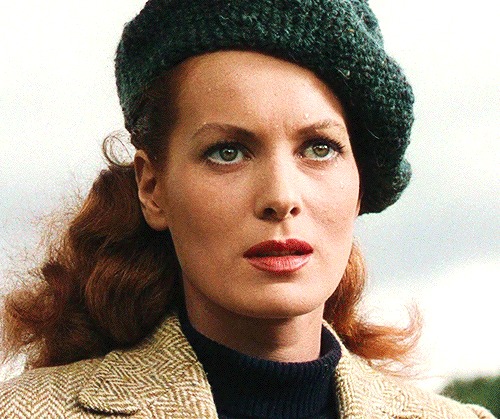
Oscar Ethics 2015: The Unforgivable Dishonoring Of Maureen O’Hara

maureen ohara

Usually I follow the Oscars telecast with a post on the recently deceased actors and actresses the Academy unfairly snubs in its annual “In Memoriam” session. There is no excuse for robbing anyone of a last bow and farewell, despite the repeated claim that there “just isn’t enough time” to squeeze everyone in. Last night that dishonest excuse for disrespect and incompetence was rendered more absurd than ever: If there’s time for the longest, slowest, most repetitious speech yet by an Academy official, if there’s time for not one but two inappropriate political rants on the podium by award-winners, if there’s time for so many songs that the show seemed more like the Grammys than the Oscars, then there’s time to flash a couple more faces for a second or two.

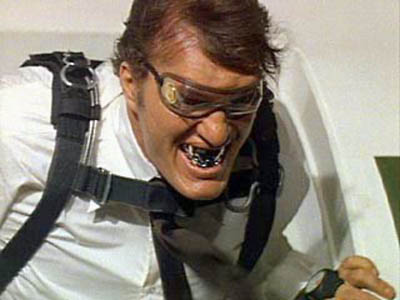
This year, the omissions were minimal compared to recent years. I noticed the absence of Richard Kiel (1939-2014),

Jaws

…the giant actor who was best known for playing the James Bond villain “Jaws” in two films, as well as less celebrated monsters, aliens and goons. Marcia Strassman, (1948-2014),

Strassman

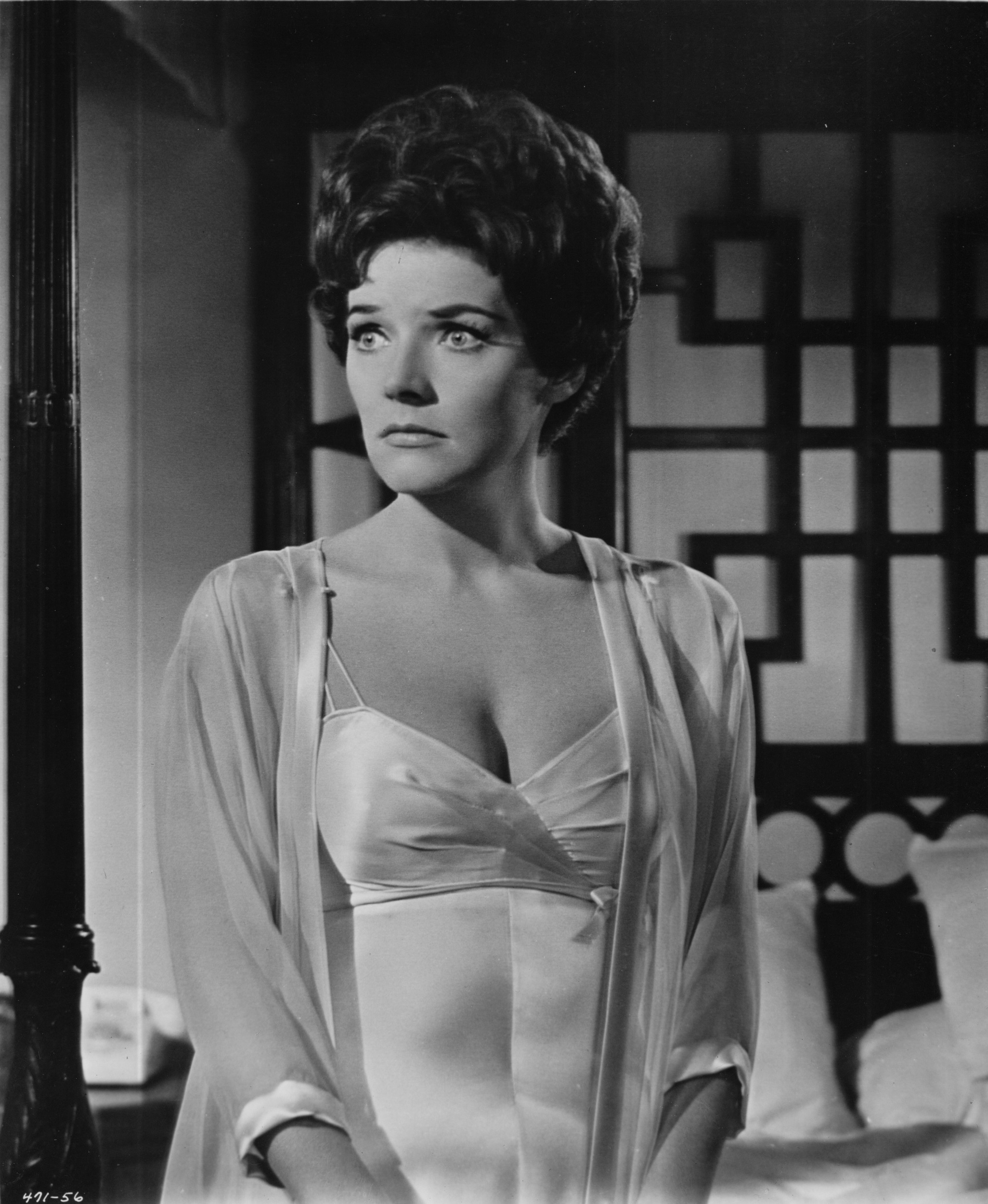
who made few films (she was predominantly a TV actress (“Welcome Back, Kotter”), but who was the co-star (with Rick Moranis) of the Disney hits, “Honey I Shrunk the Kids” and “Honey I Blew Up The Kid,” also deserved inclusion, and Polly Bergen (1930-2014)

Polly Bergen

…who played the terrorized lawyer’s wife in the original “Cape Fear”(portrayed by Jessica Lange in the Scorsese re-make) and had significant roles in several other films, was a bad omission.

Because Twitter users are about 12 or have the memories of mayflies, there was much indignation last night over the absence of Joan Rivers and former SNL standout Jan Hooks. I’d leave the appreciations of both to the Emmys, especially Rivers. A couple cameos and doing the voice of the C3PO parody in “Spaceballs” doesn’t constitute a film career, and snarky red carpet interviews are not movie-making.

Those snubs pale in significance, however, to the disrespect shown by the academy not only to one of its all-time great stars, but to its own history, in the treatment of actress Maureen O’Hara. Continue reading