Some baseball ethics musings on the night of the All-Star Game:
1. Why is MLB going ahead with letting Pete Rose take a bow at the All-Star Game? This made sense–barely–when it was announced, since Pete is a hometown hero despite being a rest-of-the-world slime-ball. But after that announcement, it was revealed that Rose had bet on baseball as a player, thus rendering all of his statements to the contrary the lies they were. He should have been banned from the game just to make sure this latest revelation of his sliminess adds something to his punishment.
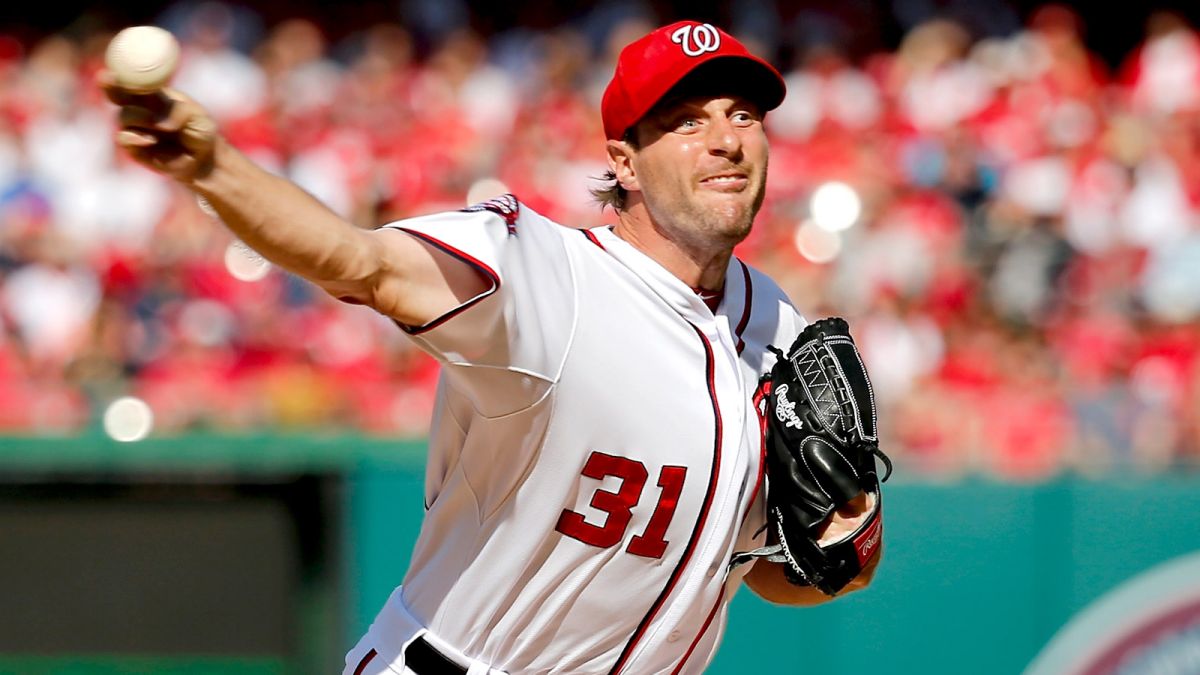
2. The best ethics controversy of the 2015 season’s first half? This: Washington National pitcher Max Scherzer was one strike away from a perfect game, leading the Pirates in a 6-0 win, but hit Jose Tabata with a pitch to make it “only” an-hitter. A perfect game is 27 consecutive, outs, and the most difficult feat in baseball. Tabata had fouled off four pitches, before he was hit on the elbow. Many believed that he that Tabata allowed the ball to hit him intentionally, just to wreck the masterpiece. This violates one of the “unwritten rules” of baseball, which are ethics rules. After all, any perfect game could be ruined the same way, and the pitcher is powerless to stop it. This is correctly deemed to be unfair to the pitcher, the fans, and the game.
Real rules also are involved. A batter hit by a pitch is supposed to be awarded first base only if he attempts to avoid a pitch or doesn’t have an opportunity to avoid it. If the ball is in the strike zone when it hits the batter, it should be called a strike, according to the Rule Book: “If the ball is outside the strike zone when it touches the batter, it shall be called a ball if he makes no attempt to avoid being touched.” (Rule 6.08(b).)
Thus home plate umpire Mike Muchlinski could have awarded Tabata a ball to make it a 3-2 count if he felt Tabata should have gotten out of the way.
Seven points:
Continue reading
 Ethics Alarms