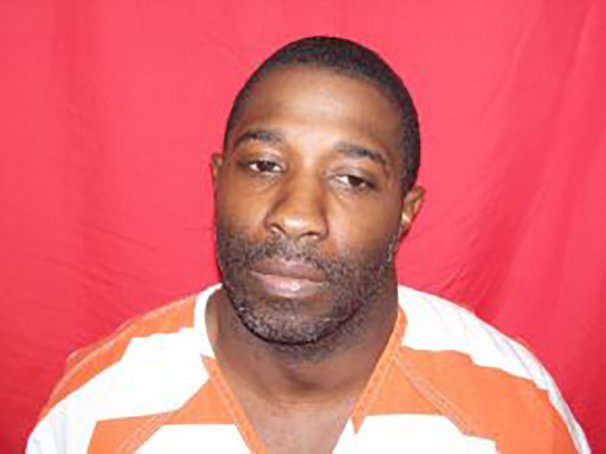
Robert McCoy (above), facing trial for a triple murder in Louisiana, told his lawyer, Larry English, that he was innocent. Someone else had killed the victims, he insisted. English, however, knew better. He wasn’t buying any of it.
“I met with Robert at the courthouse and explained to him that I intended to concede that he had killed the three victims,” Mr. English stated in a sworn statement. “Robert was furious and it was a very intense meeting. He told me not to make that concession, but I told him that I was going to do so….I know that Robert was completely opposed to me telling the jury that he was guilty of killing the three victims,” Mr. English said. “But I believed that this was the only way to save his life.”
English’s theory was that in the state’s two-phase trail system, he would lose credibility with the jury if he insisted McCoy was wrongly charged in the face of overwhelming evidence He wanted to have the trust of the jurors in the second phase, when he would have to argue that they should spare Mr. McCoy’s life.
After the meeting, Mr. McCoy tried to fire his lawyer, saying he would rather represent himself—So would I— but Judge Jeff Cox refused to let English off the case. So, as promised, English told the jury during his opening statement that his client was a triple murderer. McCoy objected in court, protesting, “I did not murder my family, your honor ! I had alibis of me being out of state. Your honor, this is unconstitutional for you to keep an attorney on my case when this attorney is completely selling me out.”
The objection was over-ruled. McCoy’s lawyer, the judge apparently believed, knew better than his client what his client’s best interests were.
He didn’t though. McCoy was convicted and sentenced to death despite all of that supposed good will, credibility and trust English had built up by throwing his own client under the criminal justice bus. The victim of this Bizarro World representation appealed the conviction to the Louisiana Supreme Court, saying his lawyer had turned on him. The court ruled against him, holding that
“Given the circumstances of this crime and the overwhelming evidence incriminating the defendant admitting guilt in an attempt to avoid the imposition of the death penalty appears to constitute reasonable trial strategy.”
Now the United States Supreme Court is going to consider the case, McCoy v. Louisiana, and the question of whether a lawyer who disregards a client’s explicit instruction to plead not guilty has breached the Constitutional right to counsel.
I am stunned. What question? Apparently this is a thing in Louisiana. “Counsel’s strategic choices should not be impeded by a rigid blanket rule demanding the defendant’s consent,” Louisiana’s lawyers wrote in a brief urging the court to pass on the case. Since 2000, the Louisiana Supreme Court has allowed defense lawyers to concede their clients’ guilt in four other capital cases over the clients’ express objections.
Good grief. Continue reading






 Ethics Alarms