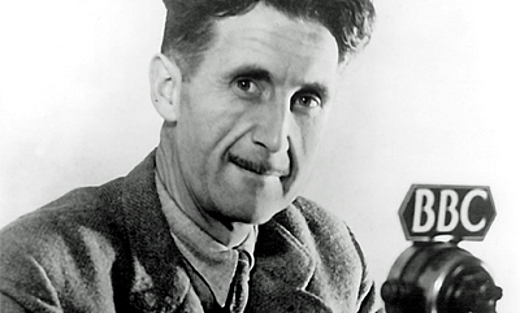
From Acculturated, A Perfect Rationalization #22

The post by Mike Judge on the pop culture site Acculturated is such a perfect example of The Worst of All Rationalizations, #22 The Comparative Virtue Excuse, that I might add a permanent link to it in the Rationalizations List.

In case you have been out of the Ethics Alarms loop, here is #22:

22. The Comparative Virtue Excuse: “There are worse things.”

If “Everybody does it” is the Golden Rationalization, this is the bottom of the barrel. Yet amazingly, this excuse is popular in high places: witness the “Abu Ghraib was bad, but our soldiers would never cut off Nick Berg’s head” argument that was common during the height of the Iraq prisoner abuse scandal. It is true that for most ethical misconduct, there are indeed “worse things.” Lying to your boss in order to goof off at the golf course isn’t as bad as stealing a ham, and stealing a ham is nothing compared selling military secrets to North Korea. So what? We judge human conduct against ideals of good behavior that we aspire to, not by the bad behavior of others. One’s objective is to be the best human being that we can be, not to just avoid being the worst rotter anyone has ever met.

Behavior has to be assessed on its own terms, not according to some imaginary comparative scale. The fact that someone’s act is more or less ethical than yours has no effect on the ethical nature of your conduct. “There are worse things” is not an argument; it’s the desperate cry of someone who has run out of rationalizations.

Judge spends his post, titled “Why Are Some Journalists Acting Like Snowflakes?,’ mocking journalists who complain when the President punches down at them, which is unethical conduct on his part, or when the public is openly hostile to reporters, which is wrong, but it is the escalating bias and trustworthiness of the news media that arouses the public’s ire. In contrast, he reminds us that George Orwell (above) was shot in the neck when he was on assignment as a reporter, that young reporter Ernest Hemingway was hit with a mortar in World War I, and that Woodward and Bernstein thought their lives were at risk. Continue reading
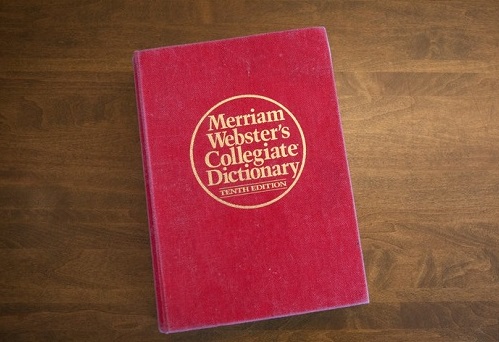
Ethics Train Wreck Update: Now The Dictionary People Have Boarded The Post-2016 Election Freakout

It’s really depressing. I did not expect to see so many professions and professionals debase themselves and their ethical principles because they couldn’t deal with the results of a presidential election. . Historians. Judges. Scientists. Professors. College presidents and administrators. Performing artists. Intelligence community professionals. Judges. Journ–well, no, that one wasn’t a surprise.

My own profession, legal ethicists, booked a seat on the ethics train wreck, a development that was profoundly disappointing. Wrote one member of the profession who has remained clear -eyed while keeping his integrity, Steve Lubet in Slate,  “As a liberal Democrat, I have no sympathy for Conway’s habitual disregard for truth. As a professor of legal ethics, however, I think this complaint is dangerously misguided and has the potential to set a terrible precedent…The professors no doubt have faith in the professionalism of the District of Columbia Office of Disciplinary Counsel, but the bar authorities in other states may not always be reliably even-handed or apolitical. It is hardly inconceivable that lawyer discipline might somewhere be used as a weapon against disfavored or minority candidates, or as a means to squelch protest movements and insurgent campaigns. In the 1940s and 1950s, suspected Communists and alleged “fellow travelers” found their law licenses in jeopardy in many states. In the 1960s and 1970s, civil rights lawyers were hauled before the bar authorities in the South. The complaint against Conway is an unfortunate step back in the direction of using lawyer discipline against political enemies….”

Bingo.

Now “America’s dictionary,” Merriam-Webster, has decided that it is within its mission and purview to attack and mock the President of the United States..

Almost immediately after his election, the dictionary’s editors began trolling Trump and his administration, defined, by Merriam-Webster, as “to antagonize (others) online by deliberately posting inflammatory, irrelevant or offensive comments or other disruptive content.”

The website Acculturated has observed that on social media and its website Merriam-Webster has ridiculed the President  “for his every spelling mistake, grammatical error, and verbal gaffe. In honor of the election, they changed their header photo to a picture of a German word defined as the “collapse of a society or regime marked by catastrophic violence and disorder.” Then they highlighted what they claimed was the word most frequently looked-up, “fascism.” On Inauguration Day, they tweeted “Welp,” a word that conveys dismay or disappointment. The company also derided Betsy DeVos, Sean Spicer, Steve Bannon, and, of course, Kellyanne Conway.

This, needless to say, is not their job, their mission, or responsible professional conduct. It is, as it is for the other derailed professionals, smug virtue signalling and tribalism. Acculturated again:

[T]he dictionary’s editors are clearly partisan. They didn’t harass Hillary Clinton, and they don’t needle sports stars, celebrities, or, well . . . anyone else like they needle the President and his people.Theoretically, even that could be okay—a good, playful, occasional joke from the dictionary could have the whole country laughing. But if you mock one person too often, you start to reveal a pattern. If that pattern persists, the fun and games lose their light-hearted feel, and begin to betray bias instead.

Ya think???

Continue reading