When I was discussing the recent jury verdict finding Donald Trump liable for defamation and sexual assault with an astute trail lawyer friend, he expressed surprise that the sexual assault civil case wasn’t barred by the statute of limitations, as the criminal case was. Among the glaring problems with the jury verdict was that it found by a preponderance of the evidence that the sexual assault—not the rape allegation , which, strangely, is what Trump called a lie on social media, prompting the defamation suit—took place even though Carroll couldn’t say what year it had occurred in. “This is the reason we have statute of limitations,” my learned friend said. “Memories fade, evidence is lost, testimony becomes unreliable. I’m amazed New York’s statute allows this.”
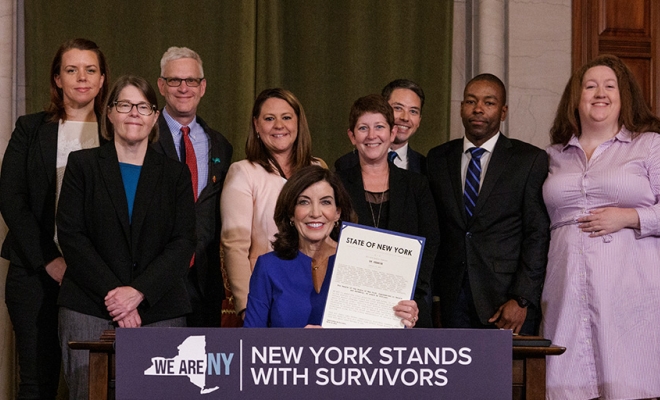
Well therein lies a tale. The statute didn’t allow it until, coincidentally <cough> last year. The Adult Survivors Act was passed by the New York legislature and signed by Democratic Governor Kathy Hochul in 2022. It created a “one-year lookback window for survivors of sexual assault” to legally pursue their alleged abusers, irrespective of when the abuse took place.
It was and is a blatantly political measure, pandering to the #MeToo crowd, which itself is deeply conflicted and corrupt. Now bad, bad men like Harvey Weinstein, Bill Cosby and…surprise! Donald Trump, can be sued during a convenient one year window no matter how long ago their alleged sexual misconduct took place, or how blurry memories of the details may be. Never mind that the protection against unfair sexual assault and sexual harassment lawsuits based on accusations that only surface when the accuser calculates that there are forces at play in society (like “Believe all woman”) making a victory likely should be available to all citizens. Never mind that such late-hit lawsuits rely on emotion and politics as much as evidence.
 Ethics Alarms