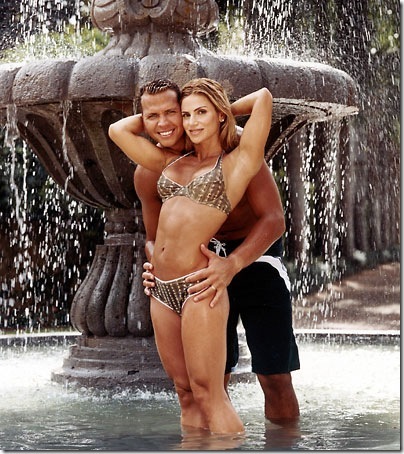
The Ethics of Cheering Alex Rodriguez

Poor Alex Rodriguez and his wife...

Poor, downtrodden, Alex Rodriguez and his wife…

Baseball’s most embarrassing super-star, the steroid cheat Alex Rodriguez, in playing for the New York Yankees while appealing his long suspension by Major League baseball. As he is unquestionably a repeat liar and a serial violator of the game’s rules against PED’s (performance enhancing drugs), as he signed a contract, in part generated by the results of his cheating, that will both enrich him by millions and handicap his team competitively while conferring few, if any benefits, as he would qualify, by most objective standards, as the antithesis of a sports hero, the fact that Arod, as he is called, still was cheered by a vocal minority in Yankee Stadium when he made his season debut this week is intriguing. What does this mean? Can it be ethical to cheer Rodriquez now?

These are deceptively complex and difficult questions. The threshold  issue is whether cheering or jeering any sports figure, or any public figure at all, is an act with ethical content rather than just a communication of an opinion. Is it conduct, or just “words”? I think, in the context of the Rodriquez situation, a sound argument can be made that it is conduct. Registering group approval or disapproval of prominent conduct by someone of status and influence is a crucial societal function in setting standards, registering disapproval, and prompting shame, regret, apology and reform—none of which, so far at least, seem to register with Arod.

That is pretty clearly what the boos convey, but what about the cheers? If the boos are ethical—they are if the disapproval is proportionate, rational, fair, and just—then are the cheers automatically unethical? Not necessarily. Here are some of the things those cheers could be expressing: Continue reading

Ethics Corrupter: Yankee Third Baseman Alex Rodriquez; Ethics Dunce: Yankee Manager Joe Girardi; Disgraced: The New York Yankees

Corrupted!

Corrupted!

Today, Major League Baseball announced that it was suspending Alex Rodriquez, the New York Yankees aging superstar, for the remainder of the 2013 season and the 2014 season for  using banned performance enhancing drugs, and impeding baseball’s investigation of his cheating. This was the climax (but not the end) of a long, drawn out, messy process and investigation involving a sleazy Miami drug lab, called Biogenesis, now closed down, which had records indicating that many professional baseball players had obtained banned substances.

Former National League MVP Ryan Braun (who I keep calling “Steve”) has already been banned for the rest of the year by the evidence obtained from Biogenesis records. The process has been marred by serial leaks from MLB  (unfair to the players involved, including Rodriquez) and ugly maneuvering between Rodriguez, who has been recovering from a serious hip issue, and the Yankees, who owe him approximately a gazillion dollars (thanks to an idiotic career contract signed in 2007 after he had already admitted to using steroids once), would like nothing more than for him to vanish in a puff of smoke and sulfur.

To explain the baroque ins and outs of baseball’s steroid wars, its player union relations, and the various intersecting agreements, special clauses and other things that have an impact on Rodriquez’s suspension would take too long here and would even bore the baseball fans. What you need to know now is this: Continue reading

Our Sports Superstars and Their Non-Profit Scams

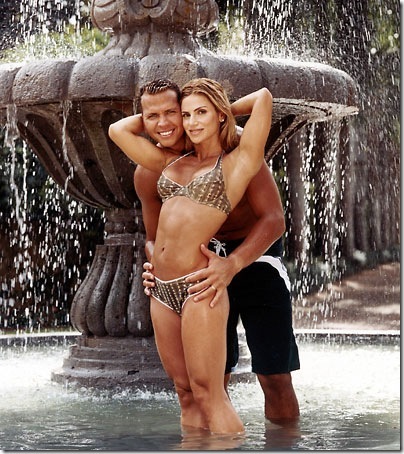
Hey, don't be cynical! Yes, this is the A-Rod family, and that's the Font of Human Kindness behind them!

Hey, don’t be cynical! Yes, this is the A-Rod family, and that’s the Font of Human Kindness behind them!

Pro athletes who receive insanely high salaries for their unique talents and awe-inspiring achievements often deflect the public jealousy, envy, resentment and criticism their riches inspire by launching charitable foundations aimed at providing assistance and comfort to poor children, disaster victims, orphans, kids with dread diseases, puppies, and anything else that will produce a collective, “Awww! He’s really a good guy!” Some of these athletes really are good guys, like former tennis star Andre Agassi, a true philanthropist, whose Foundation raised and handed out millions while he was playing and continues to do so. Agassi also frequently led all pro athletes in money donated to charity, and he had no scandals that he was trying to make people forget. He’s third on the list now. The first two: Tiger Woods and Lance Armstrong.

Other stars, however, are a different story. Continue reading

Deriliction of Duty at the MLB All-Star Game.

This week’s Major League Baseball All-Star Game got the lowest TV ratings in the history of the so-called “mid-summer classic,” which proves that Lincoln was right: you just can’t fool all the people all of the time—even when they are baseball fans. The All-Star Game was originally devised as a dream competition in which the best players from the American and National League would play a game that was hard-fought and full of the spectacular exploits of the best players alive. For decades it was like that, too, until sky-rocketing salaries and America’s culture of celebrity turned a large proportion of the players into egomaniacal, self-promoting monsters. Continue reading