Comment Of The Day: “The Hanging Of Henry Wirz”…And Thoughts On Who Is Worthy Of A Memorial

wirz2

Michael West’s latest Comment of the Day was a provocative note relating to the recent post marking the execution of Capt. Henry Wirz, the Confederate commander of the infamous Andersonville prison camp and the defendant in the first American war crimes trial. Apart from the information, his comment also prompted some research and thought on my part. There are ethical conundrums afoot.

I’ll be back to discuss them after Michael West’s Comment of the Day on the post, “The Hanging of Henry Wirz”:

And there’s a monument in memory of Henry Wirz smack dab in the middle of the “main” intersection of Andersonville. The town, which literally had NO connection to Wirz outside of circumstance…has a monument to the man. At least when Southerners were given the option to erect monuments and name installations, they generally associated places with Southerners who had geographic connections with the locale.

Like Fort Bennin: with a military career earning no more than a “yeah, he was there” mention, Fort Benning is named after a man who happened to be born near there. But Henry Wirz gets a monument in the town associated with his notoriety. Perhaps it would be fair to let his monument be the last torn down by the history-eaters, if only to remember that lethal scapegoating is wrong, however temporarily useful.

I’m back with more on this topic:
Continue reading

The Hanging Of Henry Wirz

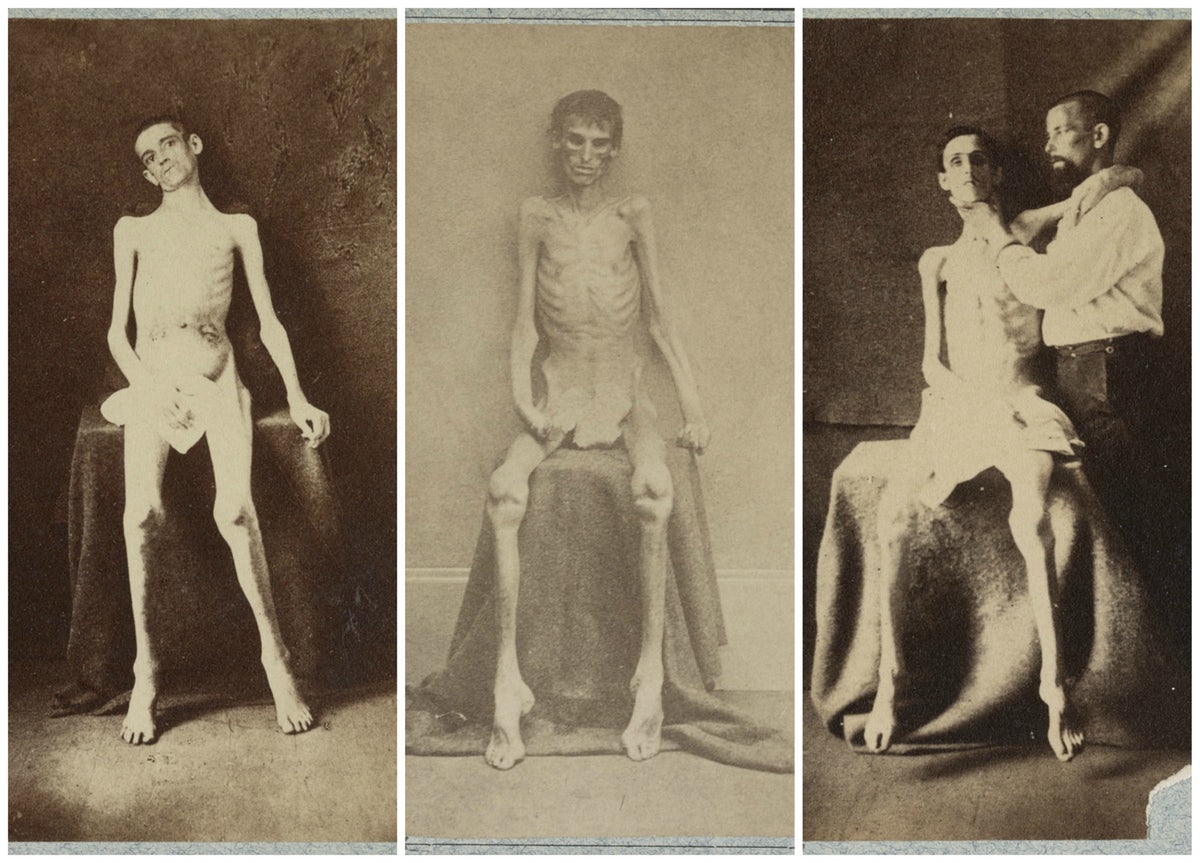
Andersonville photos

On this date in 1865, Henry Wirz, the Confederate commandant of the infamous Andersonville prisoner of war camp in Georgia, was hanged after the war crimes trial that became the precedent for the Nuremberg trials after World War II.

I know the story of Captain Wirz and the circumstances of his trial well, having directed Saul Levitt’s great ethics play “The Andersonville Trial” twice. Not that Levitt’s play was an accurate portrayal of the trial—for one thing, Wirz’s dramatic stage testimony defending himself never happened. However, Levitt brilliantly brought to the fore the deep hypocrisy of Wirz’s scapegoating after the Union victory. Not only were the atrocities at Andersonville no worse than those at some Northern prison camps, Lincoln and Grant deliberately provoked the crisis in managing such camps by the South when they made the tactical decision not to engage in prisoner exchanges.

Continue reading

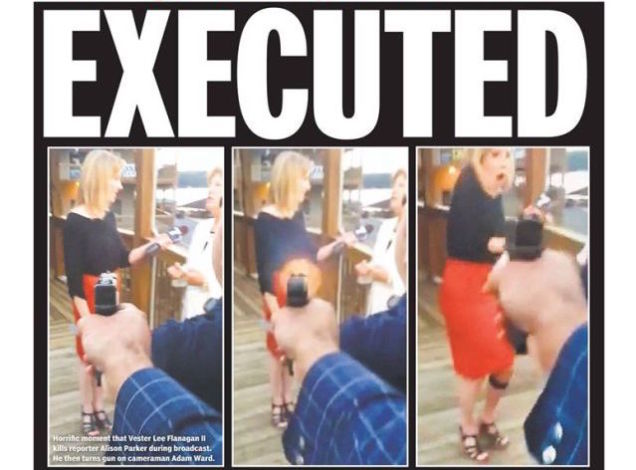
Ethics Verdict: The New York Daily News WDBJ Shooting Front Page Isn’t “Tasteless” or Unethical; It’s Journalism

Virginia shooting

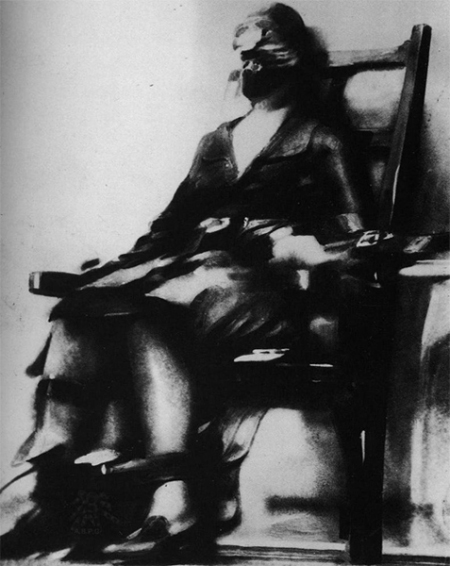
Honestly, I don’t get it. The horrible photos of the exact moment deranged racist Vester Lee Flanagan opened fire on Alison Parker convey what happened in specificity and clarity that no mere verbal description could. If your issue is gun violence, this shows it. If you want to see and understand what tragedy is “up close and personal” and even if you don’t want to understand it, this is how we learn. The furious criticism being focused on the Daily News is traditional Daily News hate, as far as I can determine. That paper has been criticized for having the guts to show raw images for a century now: one of its first outrages was a surreptitious photo of murderess Ruth Snyder being electrocuted:

Snyder_chair

Now that photo is history. Today’s front page will be history too.

At the journalism ethics site of the Poynter Institute, Kelly McBride, Poynter’s vice president for academic programs and a media ethicist, argues against using the unedited pictures, saying that “the problem with it is that it a deeply intimate image. It is a moment of someone’s death.”

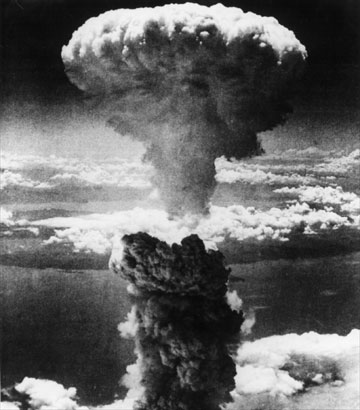
You mean like….. this?

Nagasaki

That’s just thousands of people being incinerated in Nagasaki, but from a distance, so it’s tasteful, is that the idea? Well, what about this award winner… Continue reading