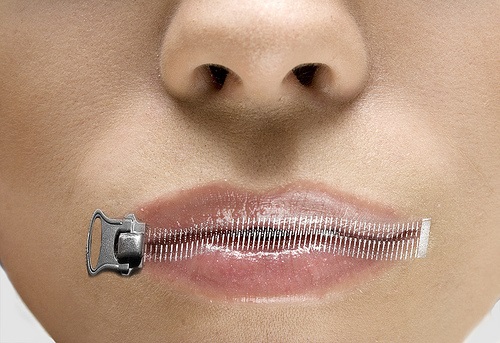
Another day, another progressive effort to erode pubic support and understanding for the First Amendment. This is at the root of America’s current ethics conflict: a perverse and puckish God has made one of the most unethical and least reflective of public figures the crucial bulwark against a massed and relentless assault against core national values.
The New York Times, taking a hand-off from its ideological twin the New Yorker, has published an attack on free speech from New Yorker writer Andrew Marantz. Even though he is a professional writer, he has managed to complete an elite education (Brown, NYU School of Journalism) without managing to grasp the essence of freedom of speech, and why it is the structural load-bearing beam that allows our democracy to exist.
Marantz simply doesn’t get it, or he does get it, but would love to see less liberty and more enforced line-toeing by those lesser intellects and deplorables who cannot accept the inherent rightness of the progressive view of the universe. He writes, for example,
Using “free speech” as a cop-out is just as intellectually dishonest and just as morally bankrupt. For one thing, the First Amendment doesn’t apply to private companies. Even the most creative reader of the Constitution will not find a provision guaranteeing Richard Spencer a Twitter account. But even if you see social media platforms as something more akin to a public utility, not all speech is protected under the First Amendment anyway. Libel, incitement of violence and child pornography are all forms of speech. Yet we censor all of them, and no one calls it the death knell of the Enlightenment.
I guess Brown has no mandatory course in government theory. The Constitution is the enabling document of the U.S. mission statement—you know, the one that begins by announcing that there are inalienable rights to life, liberty, and the pursuit of happiness. That such a governing document that could only limit government restrictions on free speech also stood for a cultural, societal and ethical norm that freedom of speech was central to the Declaration’s summary of human rights would normally be clear to anyone who bothered to study the two documents as well as research the relationship between law, morality and ethics. It’s true that Richard Spencer can’t be assured of a Twitter account, but a society that denies him one is chopping at that load-bearing beam. Continue reading
 Ethics Alarms