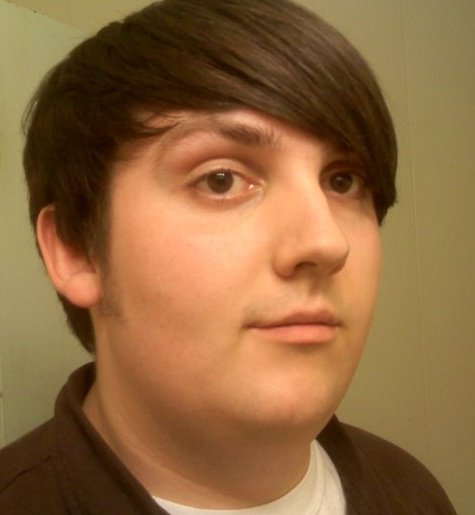
Damon Fowler, School Adminstrator-In-Training?
Either by design, bias, or because I was not sufficiently clear (always a distinct possibility), a lot of readers seem to have misunderstood the central principle in my post about Damon Fowler, the Louisiana high school senior who singled-handedly bluffed his school out of including a prayer in his graduation ceremonies. Let me clarify.
The post is only incidentally about atheism vs. religion. The ethical issue arose in that context, but it just as easily could have been raised in other circumstances. The ethical values involved here were prudence, tolerance, self-restraint, proportionality, consideration, generosity, and empathy. Fowler’s actions assumed that preventing what he believed was a violation of the Constitution’s prohibition on the government favoring one religious belief over another justified ignoring all of these. They don’t, and the same conclusion applies whether we are discussing a technical legal violation, a breaching of organizational rules, or personal misconduct.
Anyone who reads Ethics Alarms knows that I believe that the culture only becomes and stays ethical if all its participants accept the responsibility of flagging and, when necessary, condemning and stopping harmful societal conduct, as well as unethical personal conduct that will be toxic to society if it becomes the norm. Nevertheless, society becomes oppressive and intolerable if every single misstep, offense, violation, possible violation, arguable violation or mistaken judgment is cause for confrontation, conflict and policing, without regard for context and consequences. Indeed, much of the challenge in ethical analysis involves deciding what kind of misconduct matters, even once the question of whether something is misconduct has been settled. Continue reading
 Ethics Alarms