Why Obama’s Re-Naming Of Mount McKinley Is Unethical, And Why It Matters

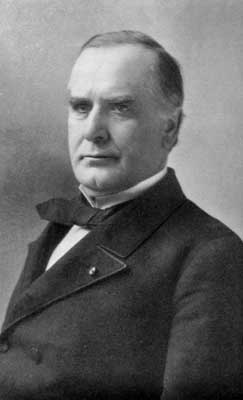
McKinley

Probably not one in 20 Americans could tell you three facts about William McKinley, our 25th President. He was thoroughly overshadowed by Teddy Roosevelt, the flamboyant and transformative Chief Executive who succeeded him when he was assassinated—that, by the way, is the one fact that one in 20 probably do know. Probably three-fourths of those ignorant 20 know the name Mount McKinley, however, and that it is the tallest mountain peak in the United States.

That alone was one very good reason to keep the mountain named as it was. A nation and its culture requires continuity, tradition, reverence and respect to its past, and it is important for a nation to have abundant reminders of  important historical figures who would be forgotten over time without landmarks, memorials, monuments, holidays, town names, statues and streets that prompt this kind of exchange with one’s children and grandchildren:

“Who was McKinley, daddy?

…Or Lincoln, or Washington…or Obama. A nation that respects and strengthens these bonds with its own history helps ensure that the public maintains a common understanding of the nation’s character and mission. In the case of the United States, it reinforces the vital concept ours is a nation of one people, not warring tribes and factions. This is especially true of our Presidents, who were and are the leaders of the entire nation, not just specific regions, states and nationalities. Continue reading
“Print the Legend” Ethics: The Unjust Obscurity of Mary Quantrell

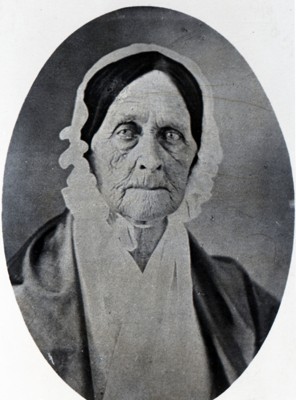
Barbara Fritchie, as in the poem. But the Barbara in the poem was really Mary.

Today is the anniversary of the Battle of Antietam, the single most bloody day in the Civil War, with nearly 21,000 casualties on September 17, 1862.  Most of us, at least those of my generation, were introduced to the battle with a poem, “The Ballad of Barbara Fritchie,” by John Greenleaf Whittier, telling the tale of a brave old woman, ninety years old, who confronted Confederate General Stonewall Jackson’s troops as they marched through Frederick, Maryland to the battlefield, by waving Old Glory after the troops had fired at it, and saying,

Shoot, if you must, this old gray head,
But spare your country’s flag,’ she said.

Barbara Fritchie is now an icon, and has been portrayed in novels and films. Her house is a historic landmark, and the town uses her name and the poem to market everything from candy to T-shirts. And, I learned this Sunday, it is all a lie, though not old Barbara’s fault. The poet got his facts wrong, or used excessive “poetic license” because “Barbara Fritchie” pleased his ear better than “Mary Quantrell”, the name of the real flag-waver, and a 90-year old patriot made for a more colorful plot than a mere 30-something with chutzpah. Whittier also made Jackson the antagonist of the tale, when in fact the general was the less flamboyant and famous A.P. Hill. In 1876 Quantrell wrote to Whittier pleading with him to correct the record, signing her letter, in quotes, as “Barbara.” He did nothing. Continue reading