Self-Driving Cars And The Hindenburg Phenomenon

In Tempe, Arizona, a homeless woman was pushing a bicycle carrying plastic shopping bags and walked from a center median into a lane of traffic. She was immediately  struck by a self-driving Uber car operating in autonomous mode.

The car was traveling 38 mph in a 35 mph zone, and never braked. Police say the tragedy wasn’t the car’s fault, but it doesn’t matter. Uber has suspended use of the self-driving cars, and history tells us that the devices may be on a road to oblivion due to an unavoidable collapse of public trust.

I’ve been expecting this. To be precise, I’ve been expecting the first fatality inside a self-driving car, and that will happen soon enough. When it does, I think it is a close call whether self-driving cars ever recover, especially if the fatal accident is especially gory, or involves children.

All it took, remember, to end airship travel forever was one spectacular accident, when the Hindenburg burst into flames and was captured in photographs and newsreels. Before that, airships had a good safety record. Another vivid example was the 1933 Dymaxion, a streamlined car on three wheels created by visionary Buckminster Fuller. All three wheels turned, giving  the Dymaxion the ability to pull into parking spaces in one move. But the design was unstable. Three were built, hailed by investors, the media and celebrities as a break-through, and then one crashed, killing the driver. And that was the end of the Dymaxion. It sure was cool, though… Continue reading
Ethics Quiz: Let The Seller Beware?

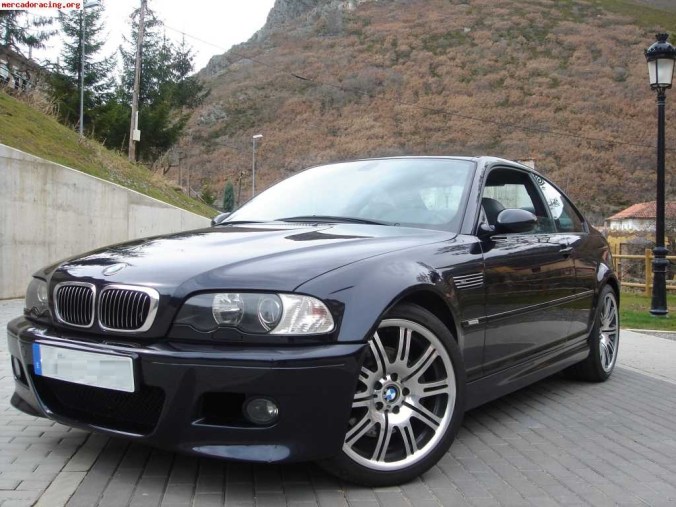
My son, an auto mechanic and an BMW enthusiast. just purchased a used BMW for 300 dollars from a customer who was frustrated with the car and not willing to pay any more to repair it. He regarded the purchase as great deal, but it was even a better deal than he thought. While he was checking out the car last night, be discovered that a spark plug had been misinstalled by the owner. When it was replaced, the engine sang like Beverley Sills.

My son said that he had suggested to the owner that he change the spark plugs, but had been told that this had recently been done. “He was nasty about it, too,” he said. “Would he have sold you the car for such a low price if the car was running the way it is now?” I asked.

“Never,” my son replied.

Your Ethics Quiz of the Day:

Is there an ethical duty to offer the car back to the original owner when it is discovered after the purchase that the vehicle was better and more valuable than the owner thought?

Secondary question: My son says that he might feel badly about the deal if the owner hadn’t been such a jackass throughout the transaction, and not only rejected his advice that would have revealed the car’s problem, but did so abusively.

Is that a valid and relevant ethical consideration?


Comment of the Day: Tesla’s Seat Belt Recall, Moral Luck, and Ethics Chess

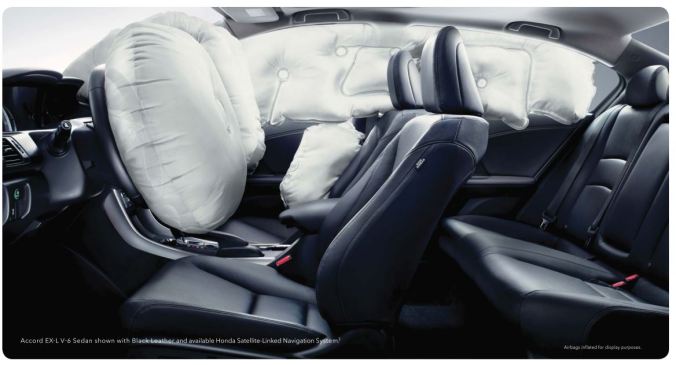
2014-honda-accord-airbags

Rich in CT delivers a Comment of the Day amplifying the issues in the post, Tesla’s Seat Belt Recall, Moral Luck, and Ethics Chess. Here it is:

I owned a Honda up until last year, until a deer took a gamble that it could get across the same stretch of faster than my car could. Mr. Deer ended up taking a short flight further down the road, and my car ended up taking a short tow to the junk yard.

No one (human) was hurt in this instance, and for that I am grateful.

Continue reading