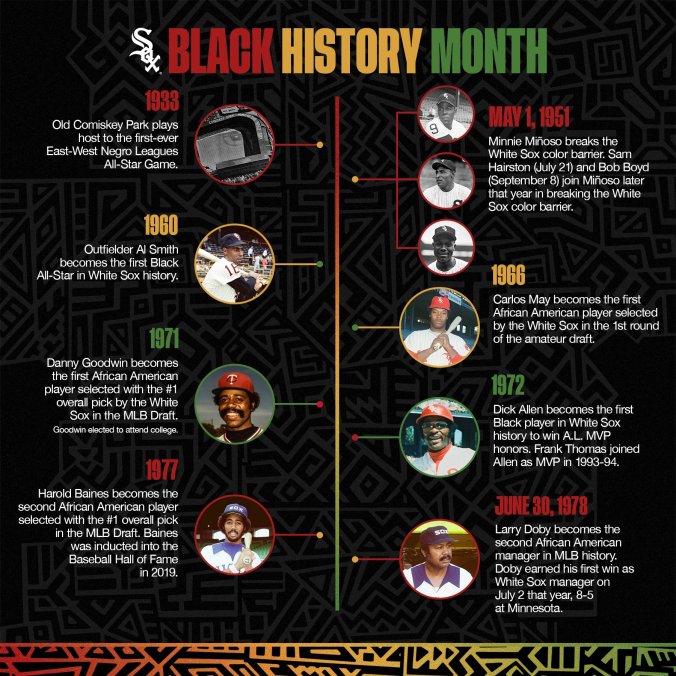
After the Chicago White Sox posted the above graphic to honor “momentous firsts for the White Sox organization related to Black History Month,” White Sox slugger and Hall of Fame member Frank Thomas, “The Big Hurt,” posted bitterly on “X”: “I guess the black player who made you rich over there and holds all your records is forgettable!”
Petty? Childish? I don’t think so. If you look at the graphic, Frank Thomas appears only a virtual footnote, an afterthought following the recognition of Dick Allen, nowhere near as great a player as Thomas and certainly not the credit to the game that Frank was, as the Chisox’s first black MVP. Yet if the purpose is to honor standout African -American members of the team over its long history, Thomas’s record should have earned him top billing.
Thomas played for the White Sox from 1990–2005, winning back-to-back American League MVP awards (1993–1994) and now holds franchise records for home runs (448), RBIs (1,465), and walks. He tied Ted Williams on the lifetime homer list with 521, and ended his career with a .301 lifetime batting average in an era when .300 averages have become rarer every year. Thomas has the highest on-base percentage of any modern player who wasn’t Barry Bonds, as in “a freak steroid mutation that pitchers were afraid to pitch to.”
Thomas isn’t just the greatest black player in White Sox history, he is the greatest player in White Sox history of any color or ethnicity. But Thomas’s snub by his team is even more outrageous than those facts suggest.
Chicago is one of the eight original teams in the American League, meaning that the franchise has been operating as a major league team since 1901. Of the eight, only the White Sox can boast that a black man was unquestionably its greatest player.
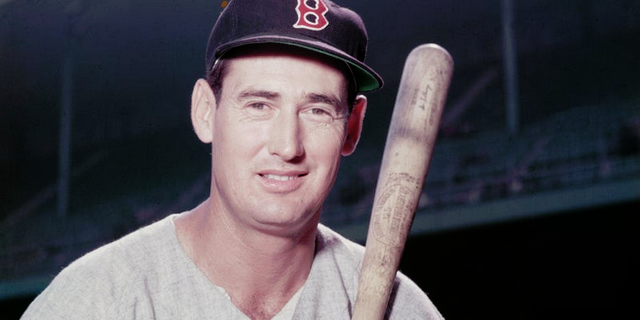
The greatest Boston Red Sox player was Ted Williams. The New York Yankees: Babe Ruth; the Cleveland Indians: Bob Feller or Nap Lajoie; the Detroit Tigers: Ty Cobb; Washington (now Minnesota): Walter Johnson ; St. Louis (now Baltimore): Cal Ripken; Philadelphia (now Las Vegas, previously Kansas City and Oakland): Jimmy Foxx. All white. Frank Thomas stands alone as the sole black star to dominate an American League franchise over 125 years. If the idea is to honor “firsts,” he is the first black star in the league to achieve the status of all-time franchise great.
So the Chicago White Sox, seeking to celebrate Black History Month, minimized the impact, contributions, achievements and reputation of its greatest player, even though he is black.
Frank Thomas regards that as a slap in the face, and I don’t blame him.


 Ethics Alarms