Baseball All-Star Game Ethics Musings: Taking Confirmation Bias Out Of Appeal Plays, and More

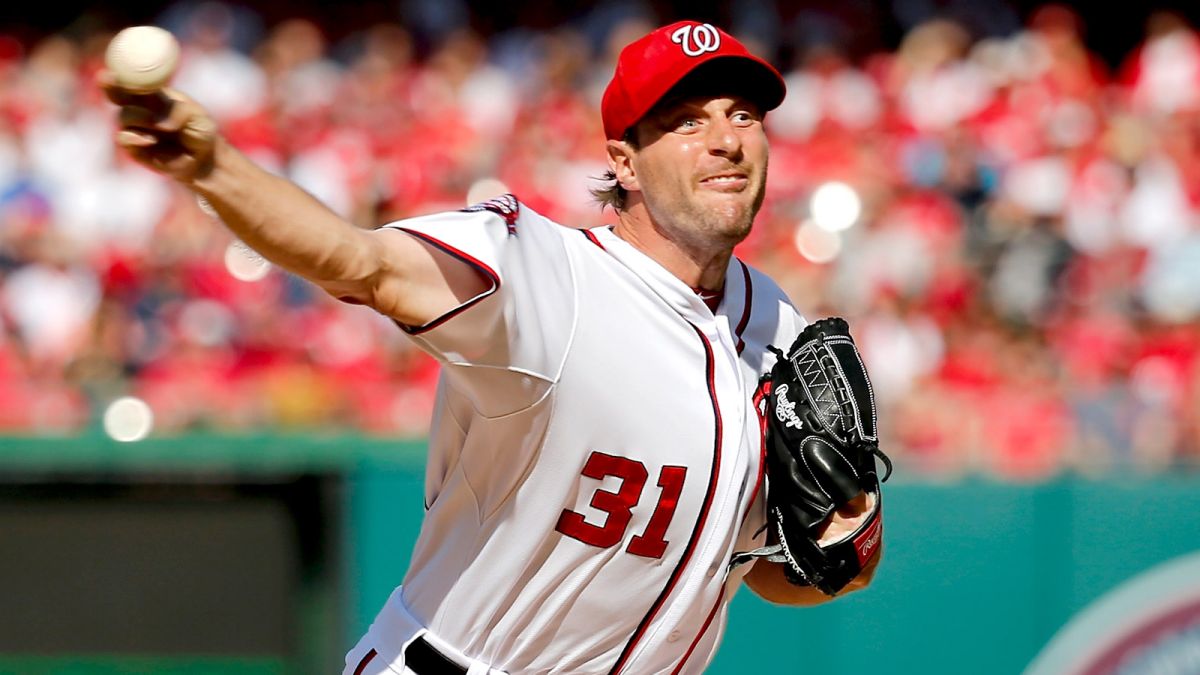
Max-Scherzer

Some baseball ethics musings on the night of the All-Star Game:

1. Why is MLB going ahead with letting Pete Rose take a bow at the All-Star Game? This made sense–barely–when it was announced, since Pete is a hometown hero despite being a rest-of-the-world slime-ball. But after that announcement, it was revealed that Rose had bet on baseball as a player, thus rendering all of his statements to the contrary the lies they were. He should have been banned from the game just to make sure this latest revelation of his sliminess adds something to his punishment.

2. The best ethics controversy of the 2015 season’s first half? This: Washington National pitcher Max Scherzer was one strike away from a perfect game, leading  the Pirates in a 6-0 win, but hit Jose Tabata with a pitch to make it “only” an-hitter. A perfect game is 27 consecutive, outs, and the most difficult feat in baseball. Tabata had fouled off four pitches, before he  was hit on the elbow. Many believed that he that Tabata allowed the ball to hit him intentionally, just to wreck the masterpiece. This violates one of the “unwritten rules” of baseball, which are ethics rules. After all, any perfect game could be ruined the same way, and the pitcher is powerless to stop it. This is correctly deemed to be unfair to the pitcher, the fans, and the game.

Real rules also are involved. A batter hit by a pitch is supposed to be awarded first base only if he attempts to avoid a pitch or doesn’t have an opportunity to avoid it. If the ball is in the strike zone when it hits the batter, it should be called a strike, according to the Rule Book:  “If the ball is outside the strike zone when it touches the batter, it shall be called a ball if he makes no attempt to avoid being touched.” (Rule 6.08(b).)

Thus  home plate umpire Mike Muchlinski could have awarded Tabata a ball to make it a 3-2 count if he felt Tabata should have gotten out of the way.

Seven points:
Continue reading →
Baseball Ethics And The Pitcher’s Fake Challenge: It’s All About Yu

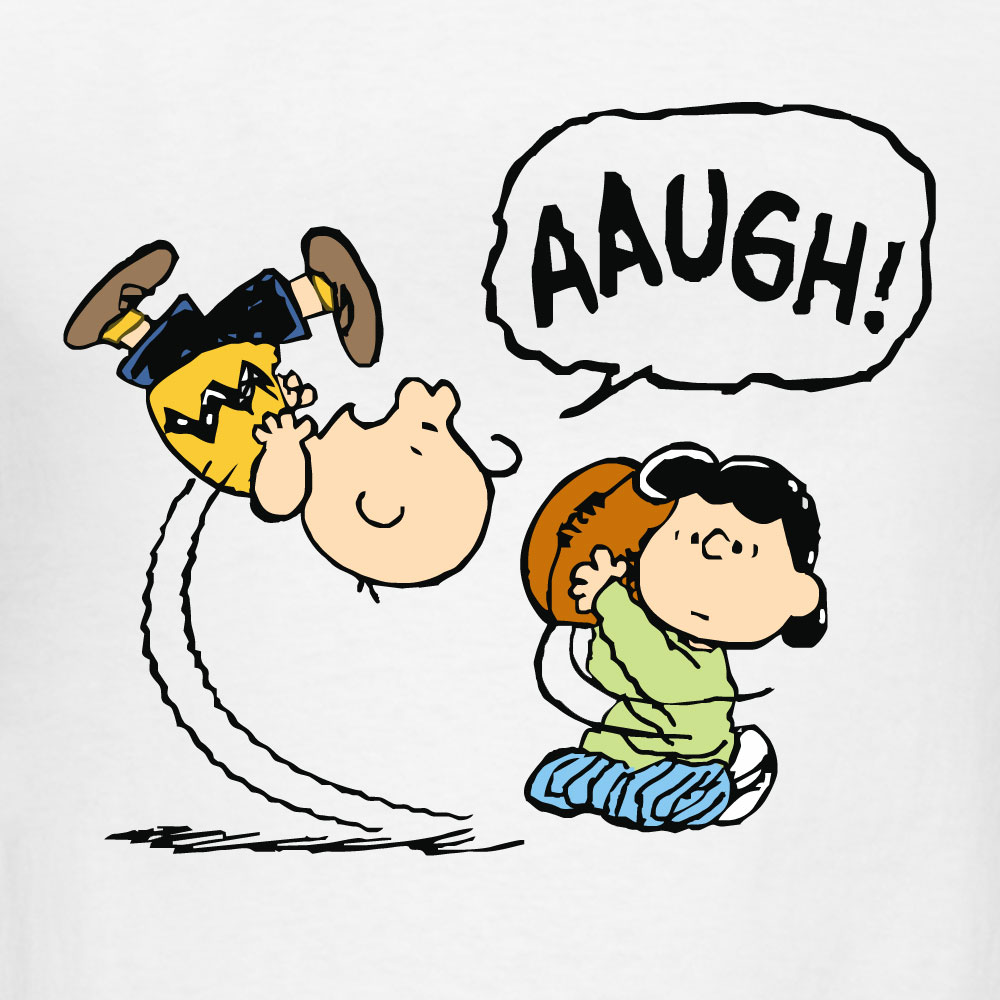
Pitcher Yu Darvish plays Lucy...ethical?

Pitcher Yu Darvish plays Lucy…ethical?

Texas Ranger ace Yu Darvish, in addition to being the only Japanese-Iranian major league baseball player and an Abbot and Costello routine come to life (“Who won the game?” “Yu did!” “Who did? “Not Who, Yu!”  “Me?” “Not you…Yu!” ), is apparently something of a trickster. In Saturday’s crucial game between the Rangers and the Oakland A’s, Darvish was facing A’s slugger Josh Donaldson, who had earlier in the season accused Darvish, a true flame-thrower, of being afraid to throw him his fastball. Darvish took up the challenge and as he prepared to throw his pitch to the Oakland thirdbaseman, shouted, “Fastball!” This, in the tine-honored traditions of the game, means that a pitcher is telling a batter that he can’t hit his best pitch, even when he knows what’s coming. It means, literally, “OK, hot shot, see if you can hit this, ’cause I’m throwing it right past you!”

Then Darvish threw Donaldson a curve.

The ruse didn’t work, for Donaldson got a hit. Still, Oakland’s dugout erupted, as the A’s expressed their belief that this was “bush league,” meaning an act consisting of unprofessional and unsporting conduct not specifically prohibited by the rules but nonetheless unfair and not worthy of big league players. Continue reading →

Baseball Ethics Confusion: When Respect Is Disrespectful

After the Florida Marlins’ Brett Carroll stole second on Chicago White Sox pitcher Scott Linebrink in an attempt to pad a 7-0 lead in the fourth inning of an interleague game between the two teams, the White Sox cried foul. The Marlins, some members of the team said, had violated one of the “unwritten rules of baseball,” in other words, baseball etiquette. Continue reading →

A. J. Pierzynski, Baseball Cheating and Moral Gray Zones

The baseball season is certainly off to an unethical start.

In Tuesday’s game between the Blue Jays and White Sox, Toronto pitcher Ricky Romero’s gestating no-hitter was aborted in the 8th inning in part because of some deceptive play-acting by ChiSox catcher A. J. Pierzynski. Every era  has one player who acquires a reputation for being tricky, a.k.a. “dirty,” and Pierzynski is the current title holder. When he came to bat against Romero, the catcher with the unspellable name took advantage of a pitch that bounced in the dirt near him to hop up and down as if his widdle toe had a ball-induced boo-boo. Incredibly (for even the White Sox announcers were chatting about how obvious it was that the ball hadn’t touched A. J., noting that he wasn’t even hopping on the most plausibly injured foot), home umpire Tim McClelland stood by silently as Pierzynski trotted to first base. Blue Jays manager Cito Gaston protested to no avail, and, not for the first time, A. J. Pierzynski had stolen first base. Now Romero had to pitch from the stretch rather than a wind-up, and the no-hitter (and the shut-out) was no-history seconds later, as Toronto’s Alex Rios hit a home run.

Did A. J. Pierzynski cheat? Should he be fined or punished for feigning an injury,  as some have suggested? Continue reading →

Soccer Ethics, and the Duty to Self-Report in Sports

Back in January, Pope Benedict XVI opined that soccer was the perfect vehicle to teach young people moral lessons, “a tool,” in his words, “for the teaching of life’s ethical and spiritual values.” Since then, soccer players have been going out of their way, it seems, to prove him wrong, led by New Mexico women’s soccer player Elizabeth Lambert. Continue reading →