The Nurturing Of Race Hate, Part Two: The Daniele Watts Saga

daniele-watts

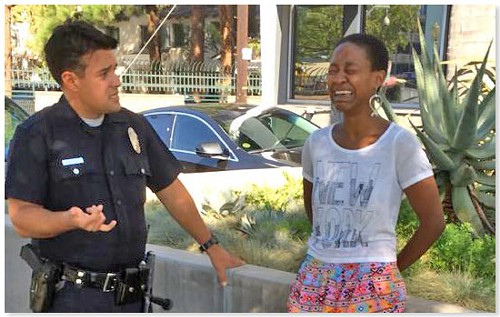
Last September, African-American actress Daniele Watts (“Django Unchained”) engaged in lewd, if non-felonious, public conduct, then exploited the tensions arising out of Ferguson to claim victim status, police harassment and race prejudice. When the police were exonerated by the recording of her arrest and she was ordered to apologize by a judge (and asked to apologize by civil rights leaders, who were embarrassed after they rallied to her support only to find that she had played the race card without  justification), she failed—twice—to deliver a sincere apology. She is defiant and intoxicated by her martyrdom, another young African American who has been convinced of her entitlement to be an anti-white racist.

To appreciate the tale, we have to go back to September 11, 2014, when the actress and her white boyfriend, a “celebrity chef,” were visibly engaged in sexual conduct in their car in broad daylight on an LA street. Neighbors complained—we have not yet reached the point where rutting in public is legal and acceptable, but give progressives time—and police responded. Naturally, as this was at the height of the Ferguson controversy, the news media immediately reported the story as more police harassment of black citizens, this time for “kissing while black.” Here’s a typical account from  September 14: Continue reading
The Nurturing Of Race Hate And The News Media’s Complicity, Part One: The False Lessons of Nick Kristof

alison-parker-vester-flanagan-adam-ward-640x480

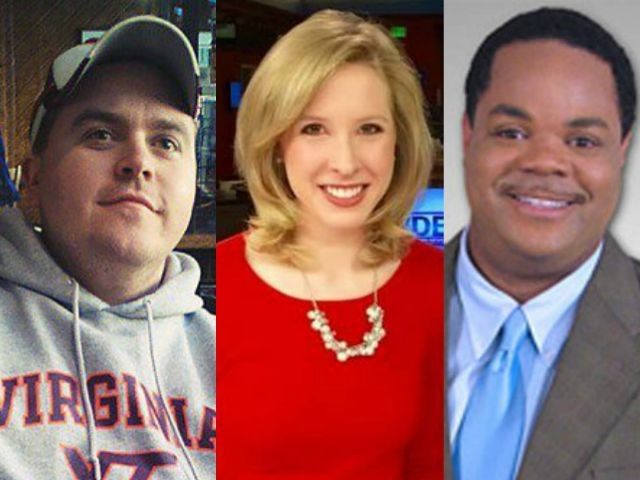
When it was reported that Vester Lee Flanagan II had accused one of his victims, Alison Parker, of making racist statements,  Baltimore BlackLivesMatter activist Kwame Rose tweeted that he hoped the accusation would be investigated, because it is white racism that causes blacks like Flanagan to turn against society. Now we have Rose’s answer (not that he’ll accept it, being a professional race-baiter): the shooter had been offended when the white reporter had talked about “going out into the field,” taking it as a reference to cotton fields. When a watermelon was bought by a TV station exec for the staff to share on a summer day, Flanagan thought it was a racist gesture aimed at him.The race hate that many in the black and progressive community have been working overtime to embed in the nation—brings out the base to vote, you know—bore deadly fruit in Vester Lee Flanagan. And he will not be the last.

A man with a successful and famous father who could never find success, Flanagan had absorbed the false assertion being aggressively pushed by political leaders and activists in the black community that the United States is so hostile to African Americans that none of his failures were due o his own choices, problems or conduct. His expanding racial paranoia made it impossible for him to keep a job, and ultimately led to murder and suicide.

Well done Continue reading