Stephen Sondheim’s “Finishing the Hat” is a fascinating reflection on a remarkable career and the craft of making musicals by the greatest living master of the form. In the course of recounting his formative years, triumphs, failures, and duels with producers, authors and composers, Sondheim also critiques the lyrics of his predecessors, contemporaries and role models—as long as they are dead. In a nod to gentility or cowardice, the only living lyricist he subjects to his expert critiques is himself.
Sondheim is a tough judge, as one might expect from a composer/lyricist who meticulously measures each vowel sound and stressed syllable for maximum effect. He is also, by virtue of both his reputation and technical expertise, an influential one. The lyricists he grades highly in the book, such as Frank Loesser, Cole Porter and Dorothy Fields, are likely to have their reputations burnished by his praise, and those he slams, like Lorenz Hart and Noel Coward, will suffer by comparison. Because of this, Sondheim had an obligation, as a respected expert in his field, to make each case carefully and fairly. To his credit, Sondheim seems to recognize this, and all of his critical discussions of an individual lyricist’s style and quirks include specific examples and careful analysis. We may disagree with Sondheim as a matter of personal taste, but it is difficult to argue with his specific points, because they are backed up by examples, technical theory, and the weight of his authority.
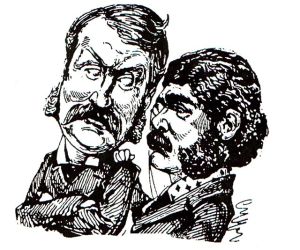
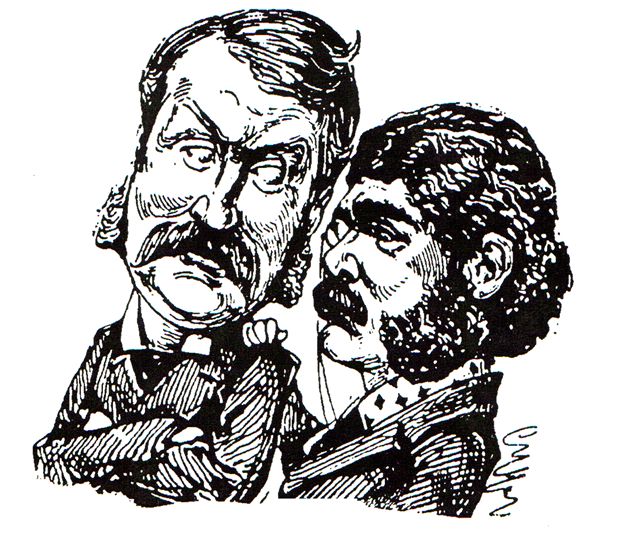
It is therefore surprising and disappointing to see Stephen Sondheim slide into expert malpractice when he undertakes, clearly half-heartedly, a critique of the lyrics of W.S. Gilbert, of Gilbert and Sullivan fame. Continue reading →
 Ethics Alarms