Woo woo woo.
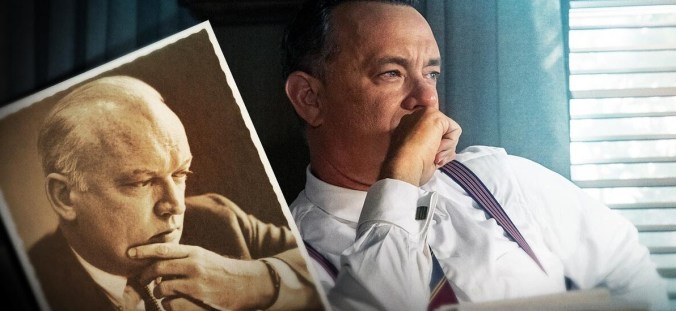
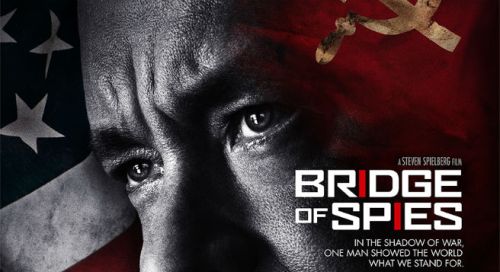
Yesterday, I was moved to re-watch “Bridge of Spies,” the excellent Spielberg and Coen Brothers-told tale of James Donovan, the lawyer (portrayed by Tom Hanks) who negotiated the release of Francis Gary Powers in exchange for convicted Soviet spy Rudolf Abel. Maybe something in the deep recesses of my mind was triggered by yesterday’s post about the rigged prosecution, trial and conviction of the four Minnesota police officers involved in George Floyd’s death. What was striking about the movie was that Donovan is shown being recruited by his law firm to defend Abel, described as “the most hated man in America” at the height of the Cold War, to demonstrate to the Soviets that we guarantee a fair trial and zealous legal representation to everyone accused of a crime, irrespective of public opinion and the nature of the crime. Everyone has the same rights.
Donovan did defend Abel, even though it is made clear in the film that the judge was determined to see him convicted and that Donovan himself as well as his family were endangered by his taking the case. After Abel was convicted despite the fact that the evidence used by the prosecution should have been excluded as the “fruits” of an illegal search, Donovan appealed the result all the way to the U.S. Supreme Court, defying his firm’s opposition to him continuing the case. His partners argued that the unpopularity of Abel risks alienating clients. Donovan’s initial representation sent the required symbolic message, they said, and even though the conviction may have been unjust, there was no reason to be obsessed with those due process and rights details, not for an enemy spy who might have been facilitating an enemy’s nuclear attack.

 Ethics Alarms