Morning Ethics Warm-Up, 5/21/2021, To A Chorus Of Cicadas

Cicada Ethics: Sweep up all the disgusting things (and their husks) that have accumulated on your front walk at least twice a day so people don’t have to walk on them and their dogs don’t eat them.

1. Charles Grodin (1935-2021): Thanks a lot! Charles Grodin was a talented and versatile actor who was extremely good at playing dislikable characters. We can blame him (not Jon Stewart) for creating the unfortunate cultural phenomenon of the allegedly funny TV talk show host who decides he is qualified to bombard viewers with partisan rants. It’s a self-indulgent abuse of power, position and trust, but it’s also now the norm, with every late night talk show host (and Staurday Night Live) but the generally sweet James Cordon using their show as a platform to bash Republicans and conservatives and extoll progressives no matter how mockworthy they are. Grodin started the bait-and-switch (He’s funny! Wait, why is he so angry and preaching at us?) in the mid-Nineties, and though it eventually killed his show (not soon enough), the template was born.

Grodin made Ethics Alarms in 2014, with his campaign against the felony murder rule.

2. Speaking of staying in one’s lane…Yet another ugly result of social media is the phenomenon of people publishing uninformed opinions that they are unqualified to be so emphatic about. A baseball writer and recovering lawyer, Craig Calcaterra, whom I have referenced here before, has migrated from NBC Sports to substack, and is asking me to subscribe to his newsletter. Craig is funny and smart, and his baseball analysis is superior to most. But he is addicted to making political pronouncements, and while he has a right to his biased and often ignorant opinions on things he’s far from an expert on, I’ll be damned if I’ll pay to read them. For essentially the same reasons I object to watching football players “take a knee” during the National Anthem, I expect sports writers to stick to sports. Here’s a tip to anyone peddling a newsletter to me: I regard referring to the January 6 Capitol riot as a “deadly insurrection” as Democratic Party propagandist and signature significance for a pundit who is not concerned with facts.

Continue reading

Oh-Oh… I May Be Mellowing: I’m Not As Keen On The Felony Murder Rule As I Once Was

The New York Times recently had a story about the latest state, California, considering abolishing the felony murder rule, the tough American principle that if you participate in a felony and someone is killed, you can be tried for first degree murder even if you didn’t directly cause the death. Writing about the rule in 2014 as it  applied in a particularly odd case, I wrote,

I sort of like it, and always have. Like all laws, however, it doesn’t work perfectly all the time.

The reason I like the rule is that it acknowledges the real danger of initiating felonies, crimes that are serious and destructive. If you burn a business down to collect the insurance, for example, you should be held responsible by the law if the fire gets out of control and someone is killed. The law combines criminal and civil offenses; the felony murder rule is like a negligent crime principle. It is a law that implicitly understands Chaos Theory at a basic level: actions often have unpredictable consequences, and even if the consequences are worse than you expected or could have expected, you still are accountable for putting dangerous and perhaps deadly forces in motion. If you commit a felony, you better make damn sure you know what you are doing, because if people get killed,  you will be held to a doubly harsh standard. Better yet, don’t commit the crime.

Don’t commit the crime. I have this reaction to all complaints about harsh sentences when the individual complaining (or having an advocate complain on his behalf) is guilty of the crime involved…You knew the risk, and you get no sympathy from me. The same applies to felony murder. The felon rolled the dice, and lost. (Somebody else lost too: the victim who was killed.) Nobody made him (or her) roll.

The potential California reform would change state law so that only someone who actually killed, intended to kill or acted as a major player with “reckless indifference to human life” could face murder charges. That would avoid seemingly harsh sentences in cases like the one the Time story focuses on, in which Shawn Khalifa, 15 at the times, served as a look-out while some teenage friends broke into an elderly neighbor’s house in the  California town of Perris, looking for cash. The elderly homeowner was injured in the burglary and eventually died.  A jury convicted the teenager of first-degree murder under the felony murder rule, and he is serving a sentence of 25 years to life. I am tempted to support the California  measure, which would avoid Khalifa’s kind of sentence while keeping the possibility of a felony murder charge when the culpability is more than just moral luck. Continue reading

A Chaos Theory Law, An Anomalous Case, And Charles Grodin’s Lament

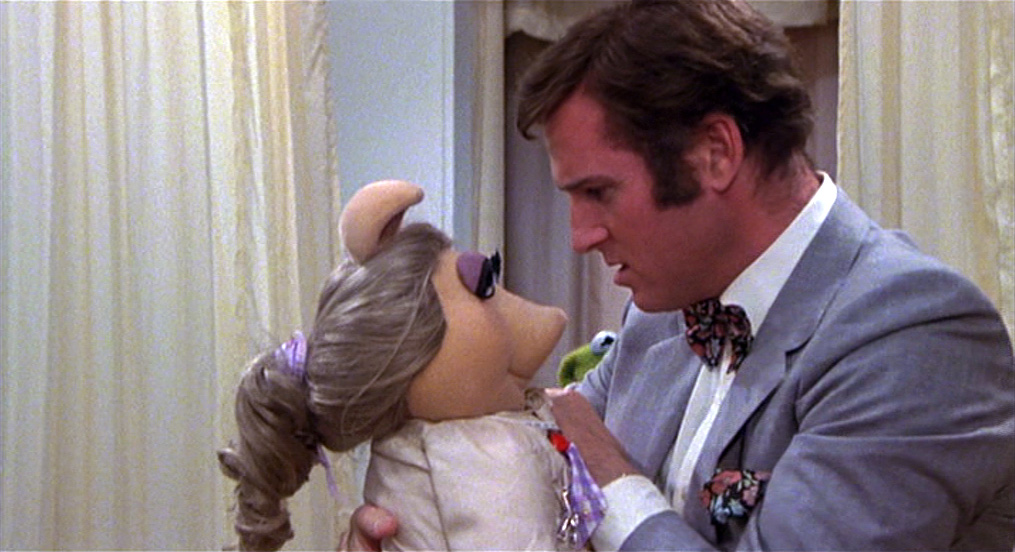
I swear, I'm not trying to belittle Charles Grodin by posting this photo of him back when he earned his living with his primary talent, which was comedy. I just want you to recall who the guy is, since he and the Nation obviously would like you to forget.

I swear, I’m not trying to belittle Charles Grodin by posting this photo of him back when he earned his living with his primary talent, which was comedy. I just want you to recall who the guy is, since he and the Nation obviously would like you to think he’s somebody else.

Charles Grodin doesn’t like the felony murder rule.

The felony murder rule, which essentially holds that anyone who is proven to have been involved with a felony during which someone was killed is guilty of First Degree Murder, is one of the harsher devices in American jurisprudence. I must confess, I sort of like it, and always have. Like all laws, however, it doesn’t work perfectly all the time.

The reason I like the rule is that it acknowledges the real danger of initiating felonies, crimes that are serious and destructive. If you burn a business down to collect the insurance, for example, you should be held responsible by the law if the fire gets out of control and someone is killed. The law combines criminal and civil offenses; the felony murder rule is like a negligent crime principle. It is a law that implicitly understands Chaos Theory at a basic level: actions often have unpredictable consequences, and even if the consequences are worse than you expected or could have expected, you still are accountable for putting dangerous and perhaps deadly forces in motion. If you commit a felony, you better make damn sure you know what you are doing, because if people get killed,  you will be held to a doubly harsh standard. Better yet, don’t commit the crime. Continue reading