How’s this for an aftermath: thanks to the U.S.’s full embrace of alcohol, its social value and its offsetting pathologies, it is the leading cause of traffic fatalities. Indeed, drinking combined with driving kills about one person every 52 minutes here according to the National Highway Traffic Safety Administration, leading to more than 10,000 lives lost each year. Of course, that doesn’t include that many thousands of lives negatively affected by these avoidable accidents, or those scarred, maimed and crippled despite having survived. September 10, 1897 marks the first arrest for drunk driving. London taxi driver George Smith was charged after crashing his cab into a building. Smith pleaded guilty and was fined 25 shillings. Nobody was harmed. The first U.S. laws alcohol-impaired driving went into effect in 1910. A professor of biochemistry and toxicology,patented the “Drunkometer” in 1936, and in 1953, Robert Borkenstein invented the Breathalyzer, an improved version that we still use today. Almost everyone I know has driven under the influence of alcohol at one time or another. Most never consider that the only reason they didn’t hurt or kill someone is that intervention of moral luck.
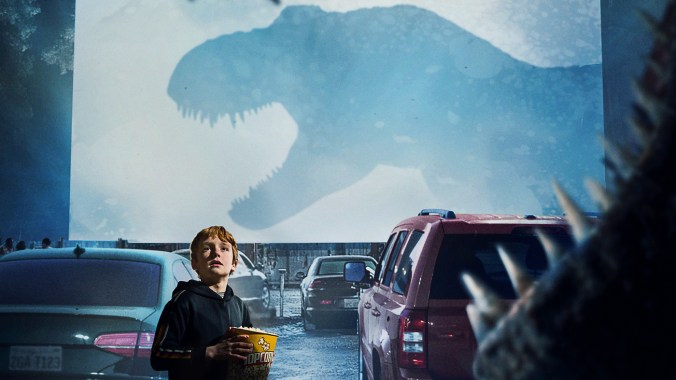
1. “Jurassic World: Dominion” ethics. I mentioned the latest in the “Jurassic Park” franchise in a negative context here, but the fact is that I saw the movie and enjoyed it very much. The film is now considered a conundrum wrapped in an enigma: it is going to soon pass a billion dollars in box office worldwide, and it has the worst reviews and most negative audience reactions of any of the six films in the line. There is a good reason for that: the plot is ridiculous, the sub-plots are even more ridiculous, and the dialogue is hackneyed and moronic. Continue reading

 Ethics Alarms