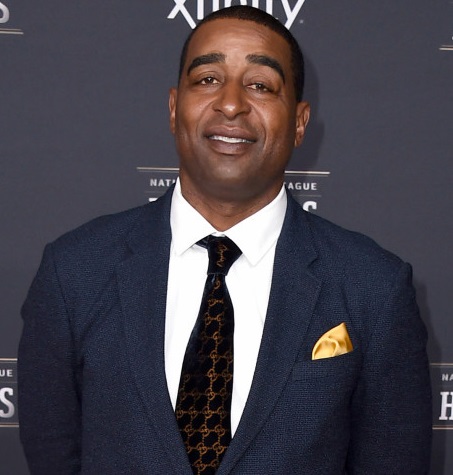
You tell it like it is, Chris!
“Y’all not all going to do the right stuff, I got to teach y’all how to get around all this stuff, too. If you going to have a crew, one of those fools got to know he’s going to jail. We’ll get him out. If you going to have a crew, make sure they understand can’t nothing happen to you. Your name can’t be in lights, under no circumstances…In case y’all not going to decide to do the right thing, if y’all got a crew, you got to have a fall guy in the crew.”
—NFL Hall of Famer Chris Carter, speaking to first year NFL players in a 2014 league-sponsored rookie symposium to help them “adapt to professional football.” His advice was then echoed by fellow Hall of Famer Warren Sapp.
That the NFL’s retired role models and immortals were–Have been? Still are?—giving out such toxic and unethical “wisdom” under the league’s auspices went unnoticed until a recently retired player,the 49ers’ Chris Borland who quit after just one season because he feared brain damage, referenced Carter’s speech on ESPN. Not only did the NFL’s speakers instruct its rookies to make sure they have a designated “fall guy” if they decide to break the law, it had Carter’s speech on its website all this time.
Now it’s all about damage control, of course. ESPN, which currently employs this ethics-challenged “sportsman” as an analyst, said in a statement… Continue reading
 Ethics Alarms