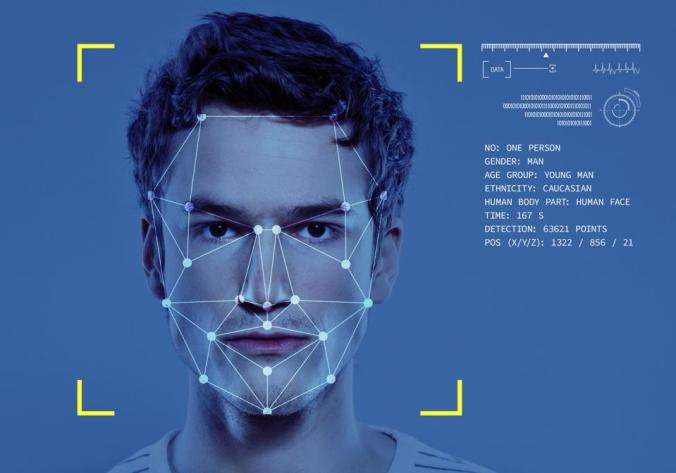
New technology that is called “unethical” because of how it might be used unethically in the future, or by some malign agent, illustrates an abuse of ethics or, more likely, a basic misunderstanding of what ethics is. Technology, with rare exceptions, is neither ethical not unethical. Trying to abort a newly gestated idea in its metaphorical womb because of worst case scenarios is a trend that would have murdered many important discoveries and inventions.
The latest example of this tendency is facial recognition technology. In a report by Kashmir Hill, we learn that Clearview AI, an ambitious company in the field, scraped social media, employment sites, YouTube, Venmo—all public—to create a database with three billion images of people, along with links to the webpages from which the photos had come. This dwarfed the databases of other facial recognition products, creating a boon for law enforcement. The report begins with the story of how a child sexual abuser was caught because he had inadvertently photo-bombed an innocent shot that had been posted on Instagram.
This episode resulted in wider publicity for Clearview, which had attempted to soft-pedal its database and methods because it was afraid of the typical “unethical” uproar.
 Ethics Alarms