Sometimes cheating isn’t cheating at all, but a just a different interpretation of the rules. And sometimes, it’s just cheating.
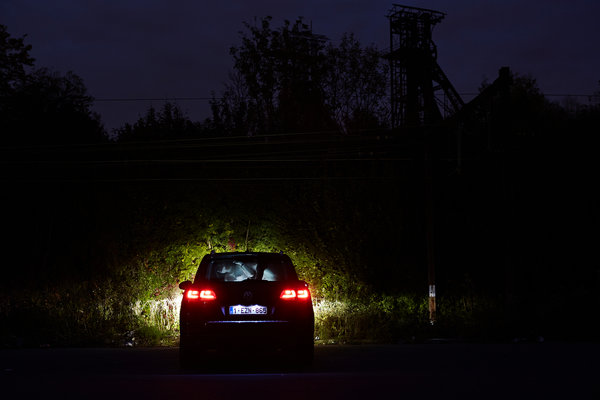
The World Press Photo contest just stripped “The Dark Heart of Europe,” a 10-photo series by Giovanni Troilo about life in Charleroi, Belgium, of a first prize after the judges decided that he had misrepresented the location of one of the images. But before proof of the mislabeling of one of the photos settled the matter—Troilo had taken one of the images in the artist’s studio outside Brussels and not in Charleroi as the series titles had represented—another of the images in his entry had caused a rules dispute.
Troilo had photographed his cousin having sex with a woman in the back of a car, using a remote-control flash to illuminate the steamy back seat. By putting a flash in the car, the stickers said, Troilo had effectively staged the photo, violating the ethics of photojournalism and the rules of the contest.
The original caption on the photo posted on the World Press Photo website was, “locals know of parking lots popular for sexual liaisons.” The photographer said he had made it clear to World Press Photo that he had followed his cousin on a night when his cousin had planned to have sex, and had his cousin’s consent to place the flash device in the car. World Press Photo rules state that “staging is defined as something that would not have happened without the photographer’s involvement.”
Troilo argues that his photo of the sexual liaison qualified under this definition. He didn’t tell his cousin to have sex in the car, and it would have happened whether he photographed it or not. “This is not a stolen photo of a couple caught unawares,” the photographer said, explaining that his goal was “to show voyeurism through voyeurism. The camera becomes active; it becomes the sense of shame.”
Other photojournalists argue that by conspiring with one of his subjects to illuminate the event, Troilo left the realm of photojournalism and entered that of . portraiture. One of the harsher critics wrote on Facebook, “The photojournalists we want to represent do not call upon their cousins to fornicate in a car.”
Your Ethics Alarms Ethics Quiz is:

 Ethics Alarms