I subscribe to the Times, but I stopped routinely reading all of the editorials, op-eds and letters to the editor once I realized the stultifying and depressing sameness of it all: narrow viewpoints, deranged columnists, and ugly bias, day after day. This Christmas Eve-day dawned with my wife in a panic, the tree decorations still incomplete, and a recognition that I was going to have to get Ethics Alarms posts done in the midst of other tasks so the 30 or so readers likely to tune in here today wouldn’t be disappointed. I grabbed the wrong section of yesterday’s Times during a tree-breather, and had to consume the editorial section.
For once, the main editorial was not an anti-Trump screed.
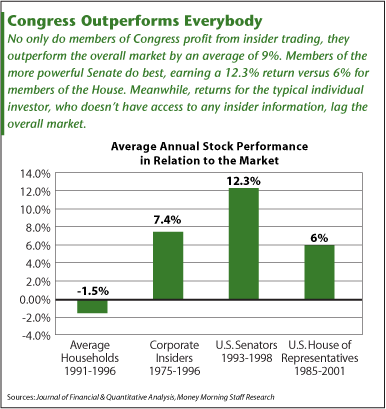
Appropo of the Democratic candidates’ mantra of corruption (though the editors somehow never saw the connection), it was about the persistent insider trading and conflicts of interest that have made Senators and Representatives unethically rich for ages, and that surpass in genuine corruption anything President Trump has been accused of. (Ethics Alarms covered the issue here, and here.) The Times editors began with the saga of former Rep. Chris Collins, who had to resign his office and also went to jail for breaking the insider trading laws. His crime was tipping off his son about a stock likely to go bad based on his early notice of pending legislation, The Times found it convenient to use Collins, a Republican, as the stand-in for all of Congress, but everything he did before crossing the line of the law is, if not routine, disturbingly common among Democrats and Republicans alike:
[H]e served on various congressional committees that played a role in directing federal health care policy. Mr. Collins was the company’s largest shareholder. He served on the company’s board. He solicited investments in the company, including from other members of Congress. (Tom Price, who served as a Republican representative from Georgia and then as secretary of health and human services in the Trump administration, was among the buyers.) Mr. Collins wrote legislative language to expedite drug trials, potentially benefiting Innate, and he pressed a staff member at the National Institutes of Health to meet with the company about its clinical trial.He also invested in other health care firms, some of which held federal contracts.





 Ethics Alarms