
Slaves, Whales, Humphrey the Hippo, and Captive Animal Ethics

The beginning of the end for this barbaric practice began with the publication of "Uncle Shamu's Cabin"...

Whether or not it is excessively cruel to killer whales to keep them at Sea World and train them to do tricks is an interesting ethical issue that turns on utilitarian principles: are whales as a species better served by the public learning to appreciate them through close contact in zoos than by having them be accessible only in the wild, and does this result justify keeping some whales in captivity, performing like seals? Good question. What isn’t a good question is posed by People for the Ethical Treatment of Animal’s lawsuit against Sea World, suggesting that it violates the Thirteenth Amendment to keep performing whales, because the practice constitutes slavery.

It’s a stupid question. It’s a silly question. It’s an offensive question, equating aquatic mammals with African-Americans. Continue reading

Affronts to Animal Dignity

"Boy, will you look at those idiots watching this? Where is their sense of dignity?"

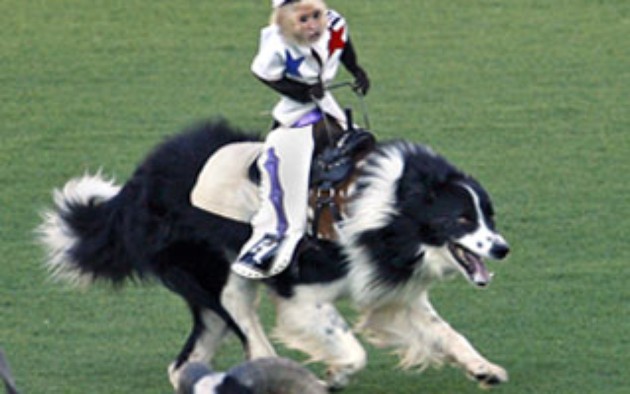
The Washington Post recently published a photo of an oddball attraction at a minor league baseball game in Harrisburg, PA. A capuchin monkey, garbed in jockey attire, was riding a border collie—really, really stupid, though “really stupid” is the frequent standard of minor league baseball promotions generally. This means that when a club executive suggests, “Hey, howzabout we have some monkeys riding on dogs, like in little saddles?” and the response from the management team is, “That’s really stupid, Ed,” he’ll say, “Great! Then it’s a go!”

I found the picture rather grotesque, but it never occurred to me that the gimmick was unethical. Oh, I assumed that PETA would find it unethical, but PETA believes it’s unethical that animals aren’t allowed to vote.  Several indignant readers wrote to the Post, however, protesting that the photo was “offensive” because it celebrated unethical conduct, the conduct being, apparently,“insulting the natural identity of these animals.” “Monkeys riding boarder collies is just wrong,” wrote one of the outraged. Continue reading

Ten Lessons from the “Dog Wars” Debate

Wait! Calm down! This is a CARTOON dog.

The “Dog Wars” Android phone app is apparently down for the count, the victim of too many complaints, threats and accusations that it was evil and irresponsible and promotes real, live dog-fighting, even though almost nobody sane makes similar claims about other video games. As with the subject of most posts on Ethics Alarms, however, the ethics issue lingers on, whether or not the specific incident that sparked the commentary has been resolved.

The comments, often passionate, that this post elicited have been fascinating, and had much to teach, even when the comments themselves were dubious. Here are ten lessons from the debate over the game and the Ethics Alarms commentary about it.

1. Ethics alarms aren’t always right. So many comments about “Dog Wars”, here and around the web, consist of various versions of, “That’s just wrong!” Well, why is it “just wrong”? Continue reading

Imaginary Bird Cruelty: Ethical; Imaginary Dog Cruelty….?

If you think the birds are angry, wait til you hear the anti-dog-fighting activists.

We’re just keeping our finger crossed that Michael Vick doesn’t have this app on his phone.

“Dog Wars,” a new video game available free of charge on the Android smart phone market. The game allows players to choose, feed, train and fight virtual dogs against the dogs of other players. Predictably, animal rights, anti-dog fighting groups and social critics want the app dropped.

“Dog Wars” may be in poor taste, but it’s not unethical. Guiding pixels shaped as dogs in tiny phone screen-size battles has no more to do with cruelty to animals than biting the head off of a chocolate Easter Bunny or eating animal crackers.  Critics are saying that the game teaches people how to prepare real dogs for real fights? Right…and “Risk” teaches people how to take over the world. Continue reading