
We recently came through the usual Halloween bag of “blackface” controversies, and Ethics Alarms, as it has before, tried to guide the discussion to the material distinctions that social justice warriors, who strategically deal in absolutes when seeking power through real and contrived offense, refuse to acknowledge or are intellectually incapable of doing so. The short version of the Ethics Alarms message: make-up for legitimate theatrical purposes isn’t “blackface,” isn’t “racist,” and shouldn’t be object of knee jerk condemnation based on emotion or ignorance.
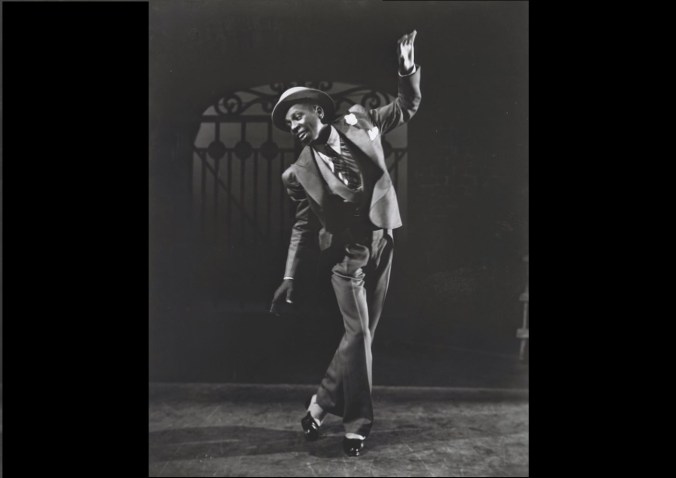
Today Turner Movie Classics showed “Swing Time,” the 1936 musical that is probably the high water mark in the Ginger Rogers-Fred Astaire canon. It has the best song (“The Way You Look Tonight”), the best novelty scene (Astaire pretending to be a klutz in a dance lesson with Ginger, then shocking her and her boss—and saving her job— by showing “what a great teacher she is” by dancing, well, like Fred Astaire) and arguably two of the best dances by the two, “Never Gonna Dance” and “Waltz in Swing Time.” The film also contains a controversial “blackface” number, “Bojangles of Harlem,” in which Fred pays homage to two great black tap dancers who were teachers and inspirations for him, Bill “Bojangles” Robinson and John Bubbles. Local TV stations have long been reluctant to show “Swingtime” because of guaranteed complaints that the number is racist, or, if they cut the number (which is unconscionable), complaints pour in from film and Astaire fans that they have defaced a classic out of misplaced political correctness.
If one argues that the number is “racist” because of Fred’s make-up, then one is necessarily arguing that no white performer can ever offer an admiring salute to an African-American great by emulating him. Astaire’s choreography (by Hermes Pan) contained specific references to trademark steps and gestures by both Bubbles and Robinson, though more of the former than the latter. (Some would say, maybe even Fred, that this was because he didn’t dare set himself up to be compared to Robinson, whom many regard as the greatest tap-dancer of them all.) Blackface, as typified by minstrel shows, was a burlesque of negative black stereotypes. There isn’t a hint of this in Astaire’s number: he wears dark make-up because he is honoring two contemporary black dance stars who he knew, learned from, and respected. The make-up is the epitome of a legitimate theatrical device, and racially demeaning neither in intent nor effect. Those who see it as such are either deliberately misconstruing the number, or don’t know what they are talking about. (There is an unfortunate racially demeaning set piece that appears for a couple of seconds at the start, a large caricature of exaggerated black features. You can take the film out of 1936, but you can’t take 1936 out of the film.)
The ironic part of the effort to quarantine “Bojangles of Harlem” is that the number is one of the few reminders in our culture of who Bill Robinson was, and—here’s Jack on his “duty to remember” and cultural literacy soapbox again–he was an important figure in American theatrical, cultural and civil rights history that should be remembered. Instead, Robinson is almost completely forgotten: I bet most of the NAACP members who get up in arms when TMC shows “Swing Time” have no idea how significant Robinson was, and the contributions he made to art and society. Continue reading →





To all of those waiting to have their Comments of the Day posted, all I can say is that I’m sorry, and that I’m having trouble getting my own posts up lately. The languishing COTDS will appear in unpredictable order, but they will appear.
Extradimensional Cephalopod had, as usual, fascinating observations to convey on the question of the importance of cultural literacy I raised based on a reference to “Alice in Wonderland.” I don’t agree with his position–some cultural scaffolding is permanent, and must be—but it’s well worth pondering.
Here is his Comment of the Day on the post, “A Sudden Impulse Poll On Cultural Literacy.”
Incidentally, a majority of those answering the main poll recognized the quotes, which cheered and surprised me. As for the complaint that the second poll was limited to parents, that was the point. Do parents pass along cultural touch points like Lewis Carroll? Do the schools? That poll was for parents.