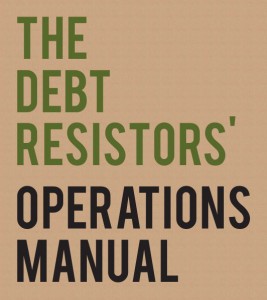
Oh, yes,THIS is bound to work out well…
The core of my objection to Occupy Wall Street and its progeny was and is that it never had the discipline, cohesion or communications skills to make it clear what the “movement” really wanted to accomplish, other than generally blaming all the world’s ills on the wealthy and successful. This was the reason for its failure, though Occupy fans like to say that it “succeeded” by starting a national dialogue about corporate executive salaries and the growing disparity in income levels between the richest and the poorest Americans—as if that dialogue hadn’t been ongoing long before the first sign went up in Zuccotti Park.
Now there are signs that the Occupy bitter-enders are hard at work launching a real, substantive effort with a specific goal, albeit and insane one: to bring down the financial system with a “debt strike.” ( In These Times headlined its story about this “You Are Not A Loan.” Pretty clever!) The idea is to refuse to pay back the interest or principal on outstanding debt, and to insist that all loans and interest be forgiven, since the debt system is inherently corrupt and rigged to transfer wealth from the poor to the rich.
We shouldn’t have to expend a lot of argument on why this is unethical. People, companies and nations in serious debt reach that point because they spend more money than they have. They borrow money promising to repay, agreeing to pay an additional fee, interest, for the privilege of using money that doesn’t belong to them. The vast majority of debt is not amassed by desperate debtors who have to deal with the equivalent of Loan Shark Larry and risk broken legs or death unless they pay unconscionable fees. Most debt comes from wanting something before you can pay for it. While laws are in place to minimize predatory lending and to provide a safety net (in the form of bankruptcy) so people and companies don’t end up destitute and in debtor’s prison, essentially the system, like society itself, exists on trust, the cornerstone of all ethics. Lenders give their money to trustworthy loan-seekers, and charge higher interest rates to those who they deem less trustworthy. That is fair. Continue reading
 Ethics Alarms