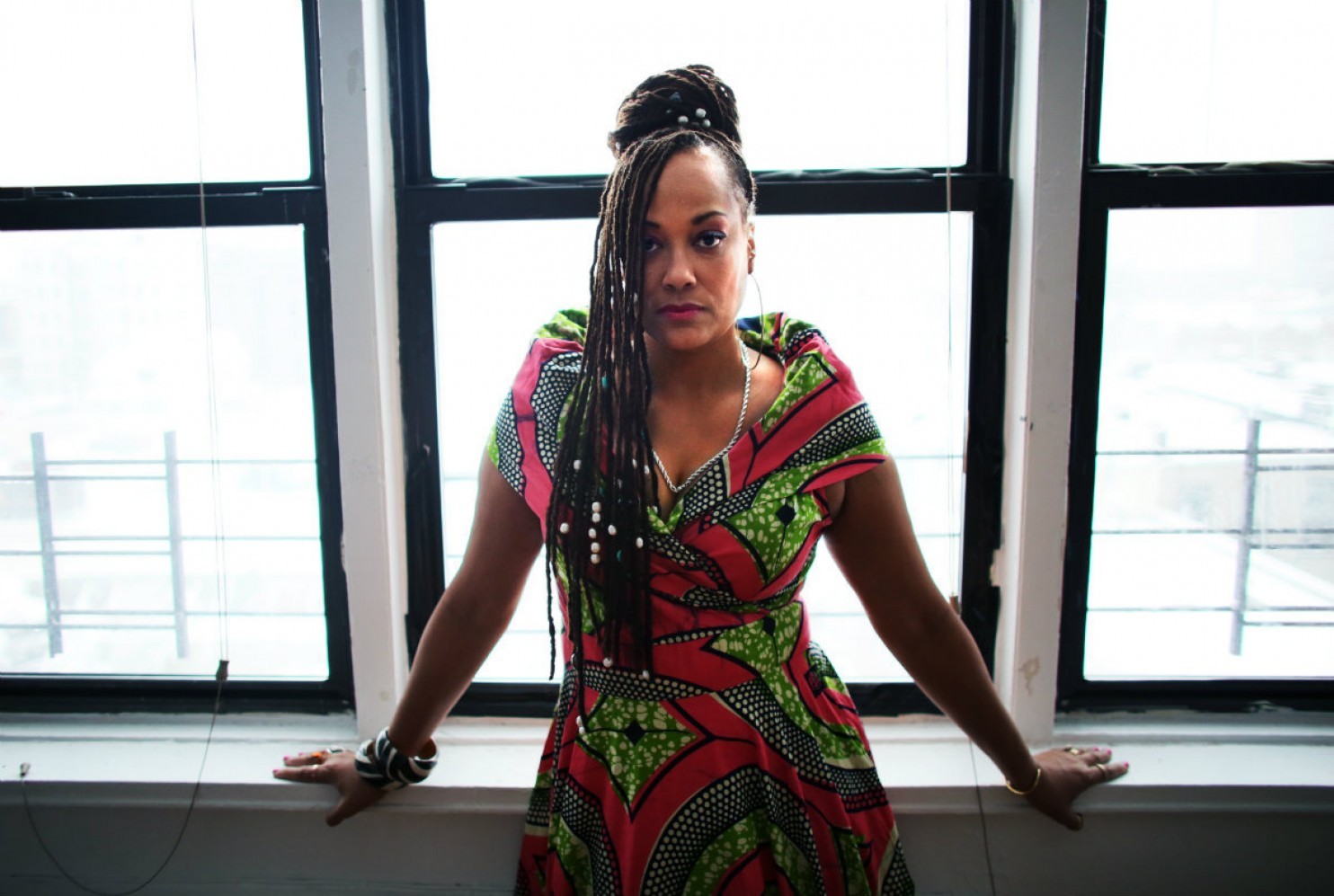
The Unethical Cosby Victim: Jewel Allison

accuser

The thirty or so declared victims of sexual assault by Bill Cosby (sorry: when we get into double figures, “alleged” is misleading) have given various reasons for not reporting the crimes against them: fear of Cosby’s power, fear of retribution from the entertainment industry, fear of publicity, fear of not being believed, fear of humiliation. A recent addition to the list, however, has given an unequivocally unethical explanation for her 20 year silence in a Washington Post op-ed that has been called “courageous.” Jewell Allison’s confession is not courageous. It is disturbing and ominous. It shows what the trauma of the black experience in the United States has done to some African Americans, causing them to place group identification above reason, decency, good citizenship, compassion and common sense.

She writes:

“When I first heard Andrea Constand and Tamara Green publicly tell their stories about being drugged and assaulted by Cosby, I wasn’t relieved; I was terrified. I knew these women weren’t fabricating stories and conspiring to destroy America’s favorite dad, but I did not want to see yet another African American man vilified in the media. As I debated whether to come forward, I struggled with where my allegiances should lie – with the women who were sexually victimized or with black America, which had been systemically victimized.”

This makes no ethical sense or rational sense. Continue reading

Unethical Website of the Month: dontvoteformydad.com

http://www.donotvoteformydad.com raises interesting questions about the ethical  duties of families versus the ethical duties of citizens, bias, conflict of interest, and the difficulty of distinguishing ethical from unethical or non-ethical motives. Continue reading

Rep. Sestak and That White House Bribe…

Can anyone remember another series of elections in which the winners found themselves in so much ethical hot water so quickly? First we have a U.S. Senate convention nominee in Connecticut (Blumenthal wasn’t really elected, just chosen by delegates) revealed having misrepresented his military record multiple times. Then the victorious Republican Senate nominee in Kentucky goes on TV and radio to prove that he cares more about being true to what the New York Times calls “textbook libertarianism” than its real world human and societal costs. Now Rep. Joe Sestak is being caught in an ethical quandary. Is he going to finger members of Obama’s White House, cover up a Federal crime, or admit he was lying? Continue reading

“The Ethicist” vs. Citizenship

Anyone who reads Randy Cohen’s New York Times Magazine column “The Ethicist” quickly discovers that one of Cohen’s biases is an intense distrust of law enforcement that would be right at home in the Berkeley campus of 1967. The problem with this attitude for an ethicist is that citizenship is a core ethical value, and assisting and cooperating with law enforcement efforts are among the duties of a citizen to society. Thus the Ethicist’s advice tends to become unethical when a correspondent asks about matters involving the police. This week’s column contained a prime example.

A restaurant owner discovered that an employee was stealing from the establishment, and confronted him. The thief offered to pay back what he had stolen, and was fired. The owner asked Cohen if he should report the crime to the police; some of his friends had argues that “losing his job was punishment enough” for the light-fingered ex-worker. Can you guess Randy’s answer? I swear: I composed it in my head before I checked. I was right on the money. Continue reading