Loop-Hole Ethics and The New York Times

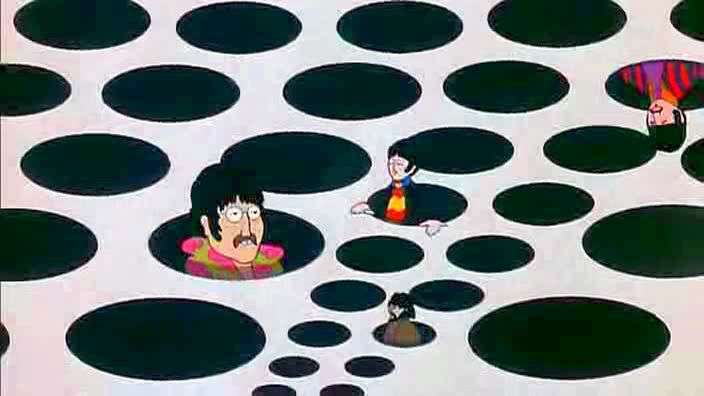
The NYT’s website paywall plan floats in a sea of holes.

Ariel Kaminer, author of “The Ethicist” column in The New York Times Magazine, made an interesting assertion in her answer to a reader who asked about whether he could exploit several loop-holes in the Times’ new paywall plan for its website.

Noting that he was a struggling freelance journalist who visits the Times website often, he asked if it was unethical for him to use his parents’ free access to the content, since they are subscribers.  Then he Mused about other scenarios. “If I buy online access, can I share the password with my live-in girlfriend, even if I move to New York for the summer? What about our other housemates?” Continue reading


Blogger’s Ethical Dilemma: The New York Times’ New Plan

I'm gonna hate to lose you guys!

The New York Times announced yesterday that it will begin charging for content on its website. After 20 articles have been read by any user within a month, that user will be required to purchase a $15 a month access fee, or forgo the “Grey Lady,” online at least. (Subscribers to the paper will have still have unlimited free access to the digital version.)

For bloggers like me, who rely on hundreds of on-line sources for my ethics commentary, the new Times plan poses an ethical dilemma. Continue reading

Ethics Alarms Presents: The Top Ten Thought Fallacies That Undermine Our Ethics

Don't expect this list from Dave. ESPECIALLY not from Dave...

Today I’m teaching two ethics seminars for The Washington Non-Profit Tax Conference in D.C. One is on accounting ethics, the other is for lawyers. One segment in the accountants’ program involves the sub-conscious and genetically programmed human tendencies that can interfere with our better judgment and perceptions, warping our ethics, and causing our ethics alarms to sound faintly, if at all. There are a lot of them:  I have a list of more than thirty, and it’s growing. Here are my current Top Ten to be especially alert to, in your own thinking, and for understanding the behavior of others: Continue reading

The Ethics Final: Ending My Mother’s Life Today

Some of our most important ethical decisions are made with the least analysis. At least that was the way it was for me this morning at 10:34, when my sister and I directed that my 89-year-old mom, Eleanor Coulouris Marshall, be taken off of life support. Continue reading

The Ethical Failings of Higher Education

In a perceptive essay for the Chronicle of Higher Education entitled “Slip-Sliding Away, Down the Ethical Slope”, Robert J. Sternberg suggests that the educational system is contributing to society’s increasing ethical weaknesses by adopting misplaced priorities. He writes:

“Schools need to teach students the steps involved in ethical behavior and the challenges of executing them. And they need to do so with real-life case studies relevant to the students’ lives. The steps toward ethical behavior are not ones that students can internalize by memorization, but only through active experiential learning with personally relevant examples. Continue reading