
I hate writing posts like this. I hate the fact that the culture’s appreciation of the importance of integrity, honesty and transparency has declined so much during the Obama Administration that I have to write posts like this.
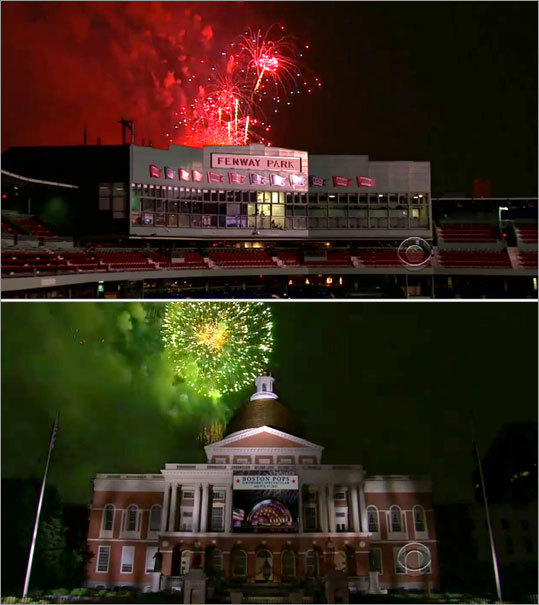
PBS’s annual coverage of the nation’s Capital’s Independence Day celebration from U.S. Capitol was handicapped by the overcast and drizzly weather in the area. At the point in the show where the National Symphony Orchestra plays the 1812 Overture’s finale while a spectacular fireworks display explodes over the Capitol dome, someone in authority decided that the obscured fireworks partially blocked by clouds weren’t good enough, so a video compilation of previous years fireworks were interspersed with them without any disclosure.
To be clear, what happened was this: PBS intentionally deceived its audience, and presented old footage while representing what was on the screen as live.
Social media noticed immediately. “PBS Aired Old Fireworks Footage This Year. Did It Make A Difference?” asked various media commentators, in various forms. Gee, that’s a head-scratcher! Huh. Tough one! Does it make a difference when a government-funded station deliberately sets out to deceive its viewers? Do lies matter? Is it okay for a broadcast of a live event to be secretly altered with film from a different time and event? Does it make a difference if the news media lies to the public?
Of course it makes a difference. It’s wrong. It’s a lie. It makes public trust impossible. What’s the difference between faking a moon landing and faking a fireworks display? Ethically, they are exactly the same, what we in the ethics field refer to as lies. Continue reading

 Ethics Alarms