The Julie Principle

The combination of Memorial Day reflections on my late father’s character and a letter to relentlessly ethical advice columnist Carolyn Hax leads me to expound on what we will henceforth call the “Julie Principle.”

Hax’s non-religious correspondent wanted to know what she should do about a good but annoyingly Evangelical friend, who would not cease inviting her to attend church, despite knowing that such an activity held no appeal whatsoever. Hax’s answer, which you can read here, touched on many approaches to the problem. To my dad, the answer was simple. Continue reading

Faculty Advisor? Principal?? Supervision??? Oversight???? HELLO?????

Joey knows just how you feel, Kenny. Except that he, unlike you, isn't real.

Eighteen-year-old Kenneth “Kenny” Clements, a graduate of Miami’s Ronald W. Reagan/Doral Senior High School, has filed suit against the school district because in February of 2011, when he was a senior, the Reagan Advocate published a story entitled “Teens Stay Quiet About STD’s”. The school paper’s front page story featured a photograph of Kenny with an “x” over his mouth, signifying that he was hiding his disease.

But Kenny didn’t have any sexually transmitted diseases, and he didn’t give his permission to have his photo used to suggest he did. After the article appeared, he says, his fellow students called him “STD Boy.”

This was obviously a cruel, unfair and irresponsible act by the students running the paper, but look at how irresponsibly professional journalists behave when they are drunk with the power of the press. This is why school newspapers must have diligent and competent supervision by adults, to prevent these kinds of things from happening….as they inevitably will without a cool head and an experienced hand at the rudder. Continue reading

My Mother’s Funeral and the Kindness of Strangers

Few things are sadder than a long life commemorated by a sparsely attended funeral. The sadness is based more on illusion than reality, I know: the best way to ensure a good crowd at your funeral is to die young. Still, no son or daughter wants to deliver a eulogy to an empty chapel, even if the attendance figures at a love one’s funeral often say little about the richness of the life being remembered.

Most of the mourners at my mother’s funeral yesterday afternoon at Arlington National Cemetery barely knew her. Many had never met her; I doubt that she would have been able to name half of them if she had encountered them on the street. Yet they came, in the middle of a workday, to make sure that my mother’s family, including my sister and me, did not have to endure the sadness of the empty chapel. It was an amazing group. Among those whose connection to my mother was solely that they knew me, there were several whom I had not seen or spoken with in years, and others whose presence immediately made me feel guilty for being out of touch with them for too long. There were colleagues from jobs I had left long ago, and old friends who had, through the relentless roadblocks that family, work and assorted crises and priorities of living, had receded into names on a Facebook list. A former fiancee…a cast member of a show I had directed long ago. They were all expending time, their most precious resource, to be kind.

I’ve been going to a lot of funerals lately, something I once avoided with a passion. I’m going to start going to a lot more, and not merely just because, to paraphrase a line from the last Indiana Jones movie, I’ve reached the time when life stops giving you things and starts taking them away. As Yogi Berra reputedly said, “You should always go to other people’s funerals, otherwise, they won’t come to yours.” I appreciate the joke, but I’m pretty sure what Yogi was talking about was The Golden Rule.

The Fireman, the Cheater, and Media Muddling

Come on, Robert! It's less embarrssing than Joey's gonorrrhea poster!

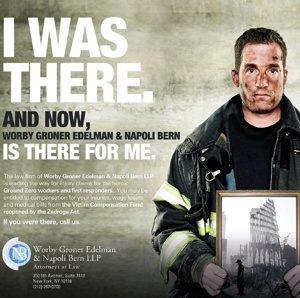
One of the reasons I launched The Ethics Scoreboard and later Ethics Alarms was that I felt  the media did not recognize ethics stories and failed to cover them. Well, more ethics stories are finding their way into the news, but true to the warning “Be careful what you wish for,” the reports usually botch them, and get the ethics lessons wrong. The saga of Enzo and the “Barefoot Contessa” was a particularly nauseating example, but there have been others recently. For example… Continue reading

The Prince, The Sex Offender, and the Ethics of Friendship

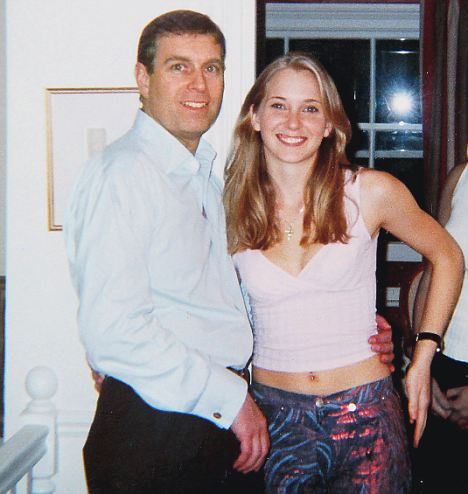
Prince Andrew with one of his friend's victims in 2001

The ethics of friendship is complicated.

President Bush claimed to be friends with Vladimir Putin. F.D.R. once said that Josef Stalin was his friend. President Obama was famously friendly with dubious characters like Rev. Wright and William Ayres.

History is full of heroes and near-heroes who had infamous friends, though the extent of the often friendship is difficult to know. Sammy Davis, Jr. and Elvis were supposedly buddies with Richard Nixon. Bill and Hillary Clinton were close friends with Dick Morris. Wyatt Earp was a life-long friend of “Doc” Holliday; Andrew Jackson may have been friends with pirate Jean Lafitte, who helped him win the Battle of New Orleans. We simultaneously celebrate loyal friends, and yet we also judge people by the company they keep. Should we condemn individuals who have friends with serious character flaws or a history of unsavory acts? Or should we admire them for sticking with their friends when everyone else is turning against them? Continue reading