full-hand patdowns
From The Ethics Alarms “Res Ipsa Loquitur” Files: Now THAT’S An Unethical TSA Patdown
Fire that guy. Just fire him. Or suspend him without pay for a good long time.
No, on second thought, fire him.
There is no excuse for this, just reasons. The main reason is that the TSA agent is being an asshole, if not a pervert. I am patted down a lot—as an adult, wearing a suit. This is a kid in a T-shirt and shorts. What is he supposed to be hiding? No child should be subjected to this indignity, and no parent should have to stand by and endure it.
The mother who took the video complained that her family was”treated like dogs” and forced to miss a flight during an extensive security check, according to her Facebook post:
We have been through hell this morning. They detained Aaron for well over an hour at DFW. (And deliberately kept us from our flight… we are now on an alternate) We were treated like dogs because I requested they attempt to screen him in other ways per TSA rules. He has SPD and I didn’t want my child given a pat down like this. Let me make something else crystal clear. He set off NO alarms. He physically did not alarm at all during screening, he passed through the detector just fine. He is still several hours later saying “I don’t know what I did. What did I do?” I am livid. Please, share… make this viral like the other children’s videos with TSA… I wish I had taped the entire interchange because it was horrifying. We had two DFW police officers that were called and flanking him on each side. Somehow these power tripping TSA agents who are traumatizing children and doing whatever they feel like without any cause, need to be reined in.
What Would Happen If, While Submitting To a TSA Search, You Started Singing “The Piña Colada Song”?
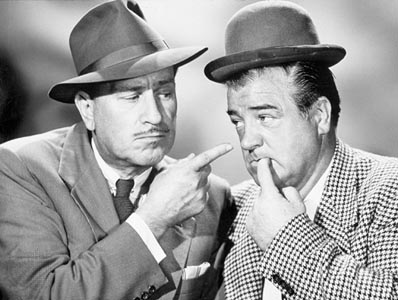
"Would you cut the comedy please? I'm trying to feel you up!"
A retired Air Force Lt. Colonel apparently was arrested at a TSA airport checkpoint after she refused to stop reciting the Fourth Amendment of the Bill of Rights (“Searches and Seizures”) while she was being screened. You can read her account here.
I’m not going to jump on the bandwagon of the various commentators from both sides of the political spectrum who are leading condemnation of the incident. My interest is in the ethics of the encounter and its subsequent reporting, as I do not see this as an example of official abuse and suppression of rights.
I object to much of how the Department of Homeland Security and the TSA has handled airport screening policy since 2001, as I discussed in this post and elsewhere. I agree that the public should not meekly accept what it regards as unjustified intrusions on their privacy, dignity and health, and that complaining, petitioning the government, putting pressure on elected and appointed officials and leveling criticism in various forums is a necessary and reasonable response. Nevertheless, the episode described in the accounts of this arrest has been mischaracterized. It was a situation in which TSA agents were placed in an impossible situation for the purpose of generating third-party indignation. The woman engaging in the protest also targeted individuals who can only be called innocent parties, the TSA screeners. They have a job, they have procedures to follow, and they have to follow them. They also have a lousy job, having to brush up against the privates of strangers while being glared at or verbally abused.
My question, as with many protests, is, “What was the objective here?” To be as annoying as possible? To cause a scene? To let everyone in the vicinity know that the woman objected to the procedures? To come as close to interfering with the screening process as possible without justifying an arrest? To get her name in the papers? To delay her fellow passengers, most of whom just want to get through the vile process and make their flights?
Or to get arrested? Continue reading
Final Ethics Verdict on TSA’s Feel-Up Pat-down
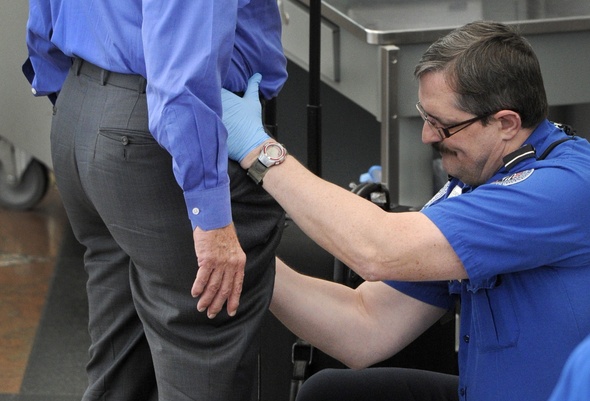 I was flying this week, and the security procedures were smoother than ever. Now I am certain that my molestation at check points last year was unethical, and have sufficient evidence to conclude that it was based on government incompetence and willful disregard for my comfort, dignity, and rights. I am also wondering, more than ever, if the ardent, supposedly liberal defenders of the indefensible feel-up pat-downs have learned anything about the dangers of blind government obeisance and partisan loyalty. I hope so.
The saga so far: Continue reading
Democracy Works: Pat-Down Update and the Duty to Bitch
I was traveling by air again yesterday. As usual, I went through airport security and, as usual, I set off the buzzer with my platinum hip, which try as I might, I just can’t get into one of those gray plastic trays. As usual, I was directed to the cattle pen waiting area until an agent could give me my enhanced pat-down, because also as usual, the quick, convenient, preferable and unjustly maligned full body scanners weren’t available.
I was asked if I was familiar with the new procedures, to which I answered, “You have no idea.” And the nice, friendly, professional agent game me the full-body massage, but with a difference: now, as he pointed out carefully, he was directed to use only the back of his hand when approaching my happy places, and he was extremely careful to avoid any touching that would make Sean Hannity complain on the radio.
All the bitching, you see, worked. Continue reading
Ethics Dunce: Eugene Delgaudio, Homophobe
Eugene Deguadio, a Loudoun County, Va. lawmaker, told his 100,00 followers in the conservative nonprofit Public Advocate of the United States that the airport feel-up pat-downs (of which Ethics Alarms readers know I am so fond) are really meant to complete a Transportation Security-assisted “homosexual agenda.” “That means the next TSA official that gives you an enhanced pat-down could be a practicing homosexual secretly getting pleasure from your submission,” he wrote to the group, which he leads in his spare time. Continue reading
More on the Feel-Up Searches and Other TSA Indignities, For Those Who Haven’t Closed Their Minds, Abandoned Empathy, or Determined That The Government Always Knows Best
For the A.C.L.U.’s collection of nightmare travel stories, go here.
For Reason’s collection of editorials chastising critics of the search procedures, go here and here.
To read a new blog that will be tracking this issue and other TSA matters, go to the new TSA Abuse Blog, here. I’ll also put it with the Ethics Alarms links, under “Of Interest.”
Kudos to Popehat for the links….and for doing a superb job keeping the pressure on.
Ten Ethics Questions for the Pat-Down Defenders
I, like you, have been reading and listening to my various “My Obama, may he always be right, but my Obama, right or wrong” friends try to argue that having TSA agents sexually assault non-consenting adults is a perfectly reasonable and benign exercise of government power. I, like you, am tired of the posturing and excuse making. Their arguments, in essence, all boil down to: a) they have no choice b) they have our best interests at heart c) it’s no big deal, and 4) trust them, they know what they are doing.
I suggest that you, as I will, pose the following questions to your trusting friends, perhaps beginning with a preliminary query regarding whether they themselves have undergone the humiliating and invasive pat-down procedure that they so willingly approve of for others.
Then ask them these: Continue reading
Unethical Quote of the Week: The Los Angeles Times
“If you can’t handle such a minor inconvenience, perhaps you should stay on the ground.”
—The Los Angeles Times Editorial Board, in an editorial called “Shut up and Be Scanned,” dismissing the objections of travelers who find the gonad and breast-fondling patdowns now being used by TSA screeners embarrassing and obtrusive. Continue reading
How the Government and Media Deceive Us With Statistics: The TSA Patdown Controversy
The misleading use of statistics to deceive, mislead, and confuse the public is epidemic in both the public and the media, with too many examples to cite. Sometimes the statistics are wrong, but just assumed to be correct, like the persistent myth that 50% of all American marriages end in divorce. Sometimes the individual who uses the statistic uses them sincerely but incorrectly to support an argument that the numbers don’t really support, such as columnist Richard Cohen’s recent use of international longevity statistics to “prove” America has an inferior health care system. (Message to Cohen: Freedom includes freedom to take risks, and America has always had a risk-taking culture, which is something to be proud of. Health care is just part of the longevity equation; life-style is a large component, and perhaps the largest. Caged animals live longer than those in the wild, but their quality of life is much worse. The relative merits of the U.S. health care system is subject to debate, but longevity statistics do not settle the issue.)
And sometimes the statistics are just pure, blatant deceit, designed to mislead by the government and relayed uncritically by a news media that is either too eager to support the Obama Administration and too lazy to apply critical reasoning.
Today’s example: as the furor grows over virtual sexual molestation and mistreatment of innocent air passengers under the Transportation Security Administration’s new procedures at airports (such as here, here, and here), the TSA is rushing to defend itself, and has come up with this argument: the complainers are a small minority, and the vast majority of the country—80%, in fact— approves of the new procedures. This morning, the Sunday talk shows cited this statistic over and over again as if it settled the issue.
The statistic is completely misleading. Continue reading
 Ethics Alarms
Before presenting John Billingsly’s COTD, let me note up-front two of John’s points that I disagree with. First,while refusing to follow an illegal order is mandatory, the fact that one is given an order to do something unethical—and this patdown was unethical—does not reduce the responsibility to refuse if the harm to another is clear, obvious, and objectively unjust, as in this case. Second, everyone involved in a wrongful act is accountable, from the top of the chain of command to the bottom. I also have a third and fourth, but I’ll let others cover those.
Here is John Billingsley’s Comment of the Day on the post, From The Ethics Alarms “Res Ipsa Loquitur” Files: Now THAT’S An Unethical TSA Patdown: