Perhaps you missed it? Someone tried to shoot Donald Trump. From the Associated Press:
“A British man arrested at a weekend Donald Trump rally in Las Vegas tried to grab a police officer’s gun so he could kill the presidential candidate after planning an assassination for about a year, according to authorities. U.S. Secret Service agents said Michael Steven Sandford approached a Las Vegas police officer at the campaign stop to say he wanted Trump’s autograph, but that he then tried to take the weapon.”
Observations:
1. Wow. Talk about being incompetent at your chosen avocation! This guy has been “planning an assassination for about a year” and the big plan was “try to get a police officer’s gun”?
Assassins, like everything else, just aren’t what they used to be.
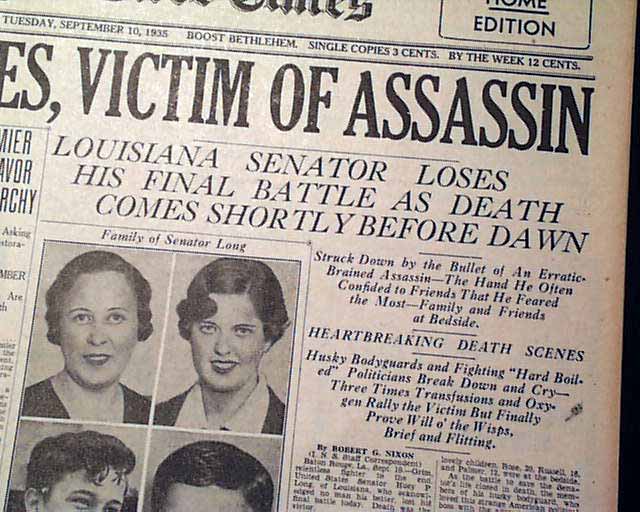
2. Remember, however, that the only difference between a failed assassination attempt and a successful one is moral luck.
3. The Washington Post asks why the incident didn’t provoke more news coverage. Isn’t that a strange question to come from one of the news organizations responsible for the lack of coverage? Why doesn’t Callum Borchers just ask his own editors at the Post?
The answer seems clear to me: the news media doesn’t want any public sympathy going Trump’s way, or to give him what would amount to positive publicity. This is the double standard we are being told that we need to get used to. Does anyone want to make the case that an assassination attempt on Hillary’s life would be a multi-day story, with a repeat of the U.S. Representative Rep. Gabrielle Giffords shooting mass accusation, now holding that Republican “hate speech” and anti-Hillary rhetoric nearly resulted in a tragedy? Rush Limbaugh and Sarah Palin were being fingered as the reason why a deranged man went on a killing spree in Tucson. Why not blame a Trump assassination attempt on Paul Krugman or Elizabeth Warren? Or me? Continue reading

 Ethics Alarms