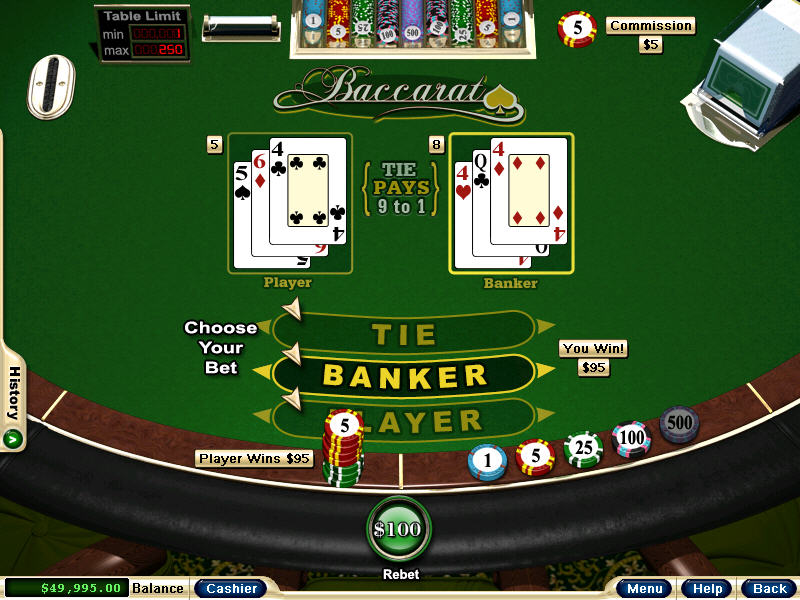
 The mini-baccarat game at the Golden Nugget Casino in Atlantic City became awfully profitable one night in April, because the company that was contractually obligated to supply the casino with decks of pre-shuffled cards inexplicably did not. Once the alert gamblers noticed that they were being dealt the same sequence of cards repeatedly from unshuffled decks, they started raising their bets. After forty-one consecutive winning hands, fourteen players had won more than $1.5 million. Puzzled but dim casino security had been watching them to see how they were cheating, but couldn’t figure it out.
No surprise: the casino is suing the card supplier. That’s not all, however: it is also suing the gamblers for their winnings, citing New Jersey regulations that require all casino games to offer “fair odds to both sides.” The casino’s lawsuit claims that once the gamblers realized that the unshuffled cards tilted the odds in their favor, they were obligated by law to stop playing and winning.
Your Ethics Quiz for today: Is that a fair position? Was it unethical for the gamblers to take advantage of the casino’s card problem? Continue reading
 Ethics Alarms