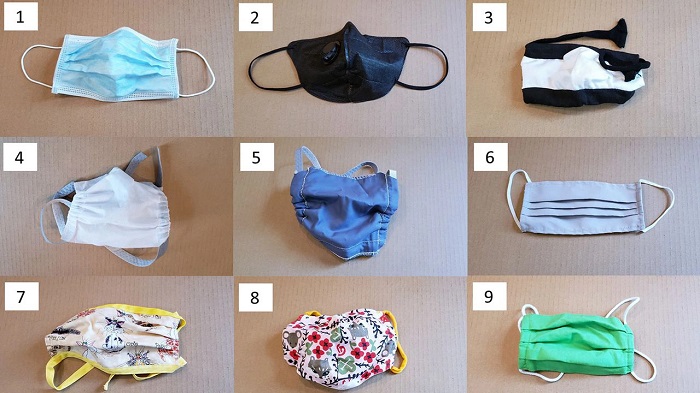
The New York Times has been a primary offender in fearmongering and hyping the pandemic, while trying to bolster the efforts of power-abusing mayors and governors to make life miserable for the public in order to show they are “doing something.” Thus when the Times published this article, with the sub-head, “The accumulating research may be imperfect, and it’s still evolving, but the takeaway is simple. Right now, masks are necessary to slow the pandemic,” I assumed that I would read an unequivocal, full-throated, air-tight brief for mask-wearing.
Well, it wasn’t. In fact, there is so much equivocation and doubt in the article, which announces itself as pro-mask, that it reinforces the conclusion that the case for masks is being overstated, which is to say dishonestly reported. The takeaway is “simple” if one is inclined to blindly follow orders without good reason. I’m not.
The thing is rife with red flags. “May be imperfect” is a euphemism for “it might turn out that this is all wrong.” “It’s still evolving” is another dodge. One section of the article is headed, “Over time, recommendations on masks have changed. That’s how science works.” Wait, aren’t we always being told that challenging conventional scientific “consensus” is being a science denier? Skepticism is just a caution that what is being pronounced as the absolute answer isn’t as certain as its advocates claim. Here, the Times is saying that science being proved wrong is “how science works.” This is obviously a procrustean standard at best. “Believe what we say, because we are scientists, but when it turns out we were wrong, that just proves how trustworthy we are.”

 Ethics Alarms