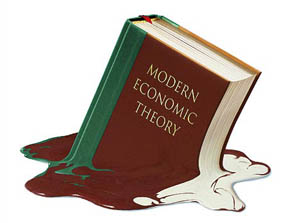
 Charles Fergusen’s documentary about the 2008 financial collapse, “Inside Job”, chronicled the maze of deceit, conflicts of interest, greed, recklessness and self-serving maneuvers across multiple professions and sectors of the economy that led to the meltdown. Among the professions that were implicated in the account was that of economists, who in many cases advised Congress and others regarding economic policies without disclosing their own ties to special interests and various players in the drama. The debacle was a severe blow to the credibility of economists as a group and economics as a discipline. Many have since called for the profession to put in place conflicts of interest rules to guide practitioners and to build public trust.
For my part, I was surprised to learn that there was not such a code already in place. As a lawyer, I am spoiled—the legal profession, as with judges, doctors, researchers, psychiatrists, accountants, legislators and government workers, has recognized the need for formal ethics guidelines for a very long time. The number of fields without ethics codes continues to amaze me, although one of those professions is…ethics.
Economics, however, is making strides. At its annual meeting in Chicago last week, the American Economic Association issued principles for disclosure of potential conflicts of interest and conflicts related to published academic papers. Here they are: Continue reading
 Ethics Alarms