Liar, Liar…Ok, you have no pants, but your tongue…no, wait…
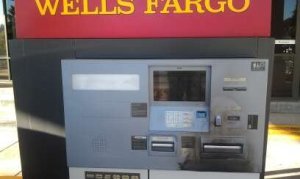
I really mean lied, as in “deliberately communicated a falsehood in order to deceive.” There’s no excuse for it.This morning I had the pleasure of depositing a rather large check in my account, exactly the way I have been depositing smaller checks on a regular basis at the same ATM at the same branch office of the various iterations of what is now Wells Fargo. This was an institutional check, from another financial institution, so it was printed, boldly, and the amount was not scrawled, as with many personal checks I have occasion to deposit using the “no envelope” method we now have avaliable thanks to the wonders of modern technology.
Nonetheless, the machine this morning had the cheek to post a window and message I had never seen before, telling me that the machine “could not read the check amount” and asking me to enter it on the keypad, rather than just confirm the deposit.
What’s going on here?
Wells Fargo is lying, that’s what. The amount on the check, which I usually can barely make out from the small scanned image on the screen, was so dark and clear that I could read it easily from three feet away. If I could read it, the machine that made the image definitely could read it. No, this was a new security feature, like the time over Christmas that holds were placed on four of my credit cards while I was standing at a check-out register because my Christmas shopping bill was “unusual” according to some geniuses’ software programs. What that false message from the ATM really meant was, “Hold it there, a minute, buster. You don’t get checks this big; we think you’re a crook. So we’re going to rattle you with this pointless, annoying request, even though a crook is just as capable of entering the amount as a legitimate depositor.” Continue reading
 Ethics Alarms