
Now this is an ethics conflict.
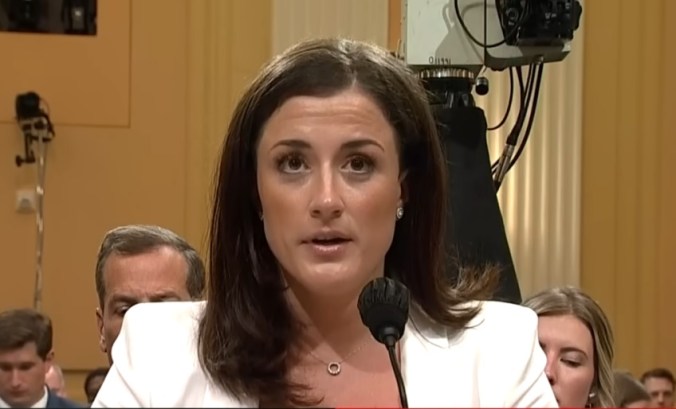
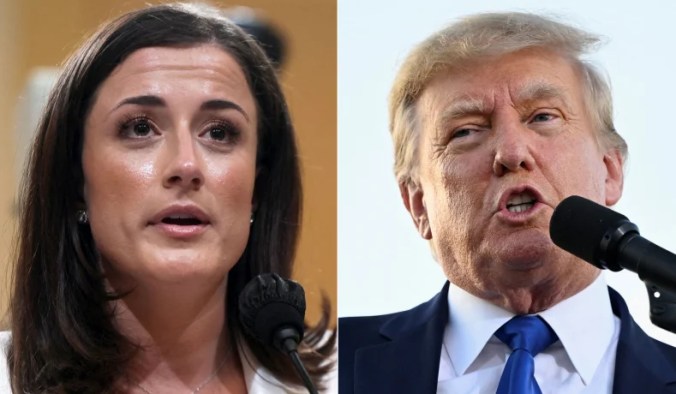
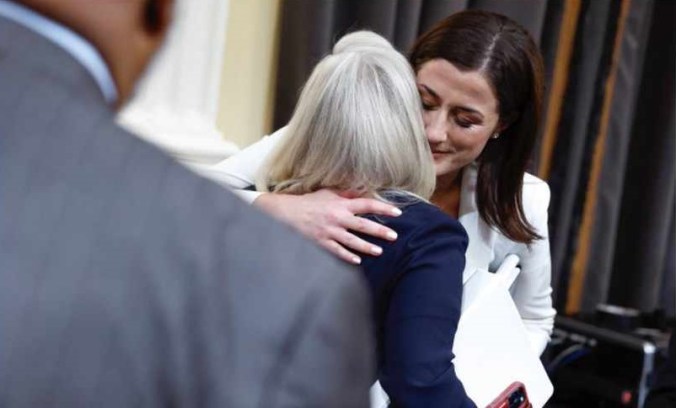
It is increasingly clear that former Congresswoman Liz Cheney broke the law as well as several ethics rules while doing her utmost to incriminate President Trump during the all-Democrat/ Never-Trump Republican J-6 committee star chamber orchestrated by Nancy Pelosi. It is wrong to break the law. It is especially wrong to break the law when you are an elected official and law-maker. Such officials should not only be held to a higher standard, but should be role models for the public that elected them. It follows, then, that when they break the law—it seems that Cheney participated in the destruction of evidence as well as coaching a witness, Cassidy Hutchinson, to lie under oath while unethically meeting with her, a represented witness, without her lawyer being present—they should be treated like anyone else who breaks the law.
If elected officials are not prosecuted and held to account when they violate the law, it is the worst manifestation of the King’s Pass, the insidious and pervasive rationalization (#11 on the list) in which individuals who are famous, popular, powerful, accomplished, productive or successful are allowed to escape the earned consequences of their own misconduct when a less powerful or popular individual would face the full penalties of the law. Such episodes seriously erode public trust in our legal system and power structure. The cliche is “No one is above the law,” but except for the case of indisputable bribery or violent felonies, elected officials are seldom prosecuted, and sometimes not even for those crimes.


 Ethics Alarms