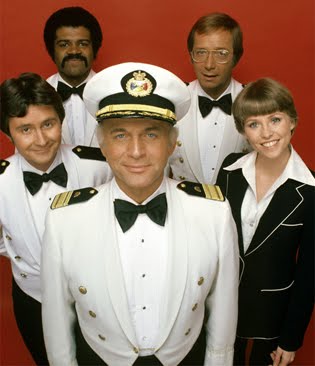
If Captain Stubing had been at the helm, a tragedy might have been averted.
Rescue is a frequent topic on Ethics Alarms, usually in a disturbing context. We all have a duty to rescue others in peril, but we should never underestimate the powerful forces that often work against that duty. Rescue can be dangerous or frightening, and often there are perplexing questions about when an individual has done enough to ensure a rescue, and what constitutes “enough,” especially if the rescue fails.
In March, the Star Princess—a luxury cruise ship operated by Carnival—was on a cruise around South America. Three of the passengers were bird-watchers, who eschewed shuffleboard and the other fun activities organized by whoever was the counterpart to Lauren Tewes on “The Love Boat” to use their binoculars and telescopes to spot seabirds from the ship’s decks.
It was March 10 when one of the bird-lovers, Jeff Gilligan from Portland, Oregon., saw a boat with a person standing up in it, waving a dark piece of cloth. The vessel was at least a mile away. Another Oregon bird-watcher, Judy Meredith, told reporters that when she focused her lenses on the boat, it was clear to her that the man waving the cloth was trying to get the Star Princess’s attention, and that the boat was drifting, without an engine. She went inside to try to alert the crew about the situation. After she talked to one crew member, she says, he called the bridge and she talked him through what she and Gilligan had seen.”I was trying to have a sense or urgency in my voice — and tell them that the boat was in distress, and they were trying to get our attention.” Another crew member used Gilligan’s telescope to look at the drifting boat, and confirmed their assessment. The boat was drifting in the open seas and in peril. Gilligan said that at that point “We were a bit relieved because he had confirmed that he had seen what we were describing. We expected the ship to turn back or stop or something.” Continue reading
 Ethics Alarms