Law vs. Ethics, The Cynical “War on Women,” And Stacking The Deck for Hillary

Let me begin by reprinting, in its entirety, a post from the earliest days of Ethics Alarms, one then titled, The Difference Between Law and Ethics:

In the instructive category of “Lawsuits that demonstrate the distinction between law and ethics,” we have the Massachusetts case of Conley v. Romeri.

Ms. Conley met Mr. Romeri when they were both in their 40s and divorced. As romance beckoned, Ms. Conley told her swain that she was childless, and wanted to begin a family before her biological clock struck midnight. The defendant, who had sired four children already, told her “not to worry.” He had seen a fortune-teller who had predicted that he would increase his number of children from four to six.

That held Ms. Conley for seven months. Then he told her that he had been vasectomized years ago.

Ms. Conley sued the bastard, claiming that her now ex-boyfriend had fraudulently misled her into believing he could father little Conleys in order to prolong the relationship, and that his actions had thrown her into emotional distress and depression.

Let us pause here and say that Mr. Romeri is a cur. Knowing that Ms. Conley was desperate for children and running out of time, he nonetheless deceived her for his own purposes, costing her perhaps her only chance to have the family she desired. For the fans of Bill Clinton out there, he was also clearly adept at Clintonesque deceit: he said “don’t worry” about having children, not that he was capable of creating them; he said a fortune- teller has assured him that he would have more kids, but never said her prediction was plausible. Mr. Romeri, like millions of deceitful people before him, probably doesn’t think he really lied. But of course he did.

The Massachusetts Appeals Court, however, found that while Mr. Romeri may have behaved abominably, it was not the place of the law to punish him.

Such claims, the judges said,

“…arise from conduct so intensely private that the courts should not be asked to resolve them….It does not lie within the power of any judicial system to remedy all human wrongs. Many wrongs which in themselves are flagrant–ingratitude, avarice, broken faith, brutal words and heartless disregard–are beyond any effective remedy.”

Our hearts go out to Ms. Conley. But the law will never succeed in making people be honest, caring, and fair. Only we can do that by creating a society in which boys grow to manhood knowing that behavior like Mr. Romeri’s is wrong, and at the same time, a society where women take responsibility for their own welfare, without seeking government remedies for every challenge.

——————————————–

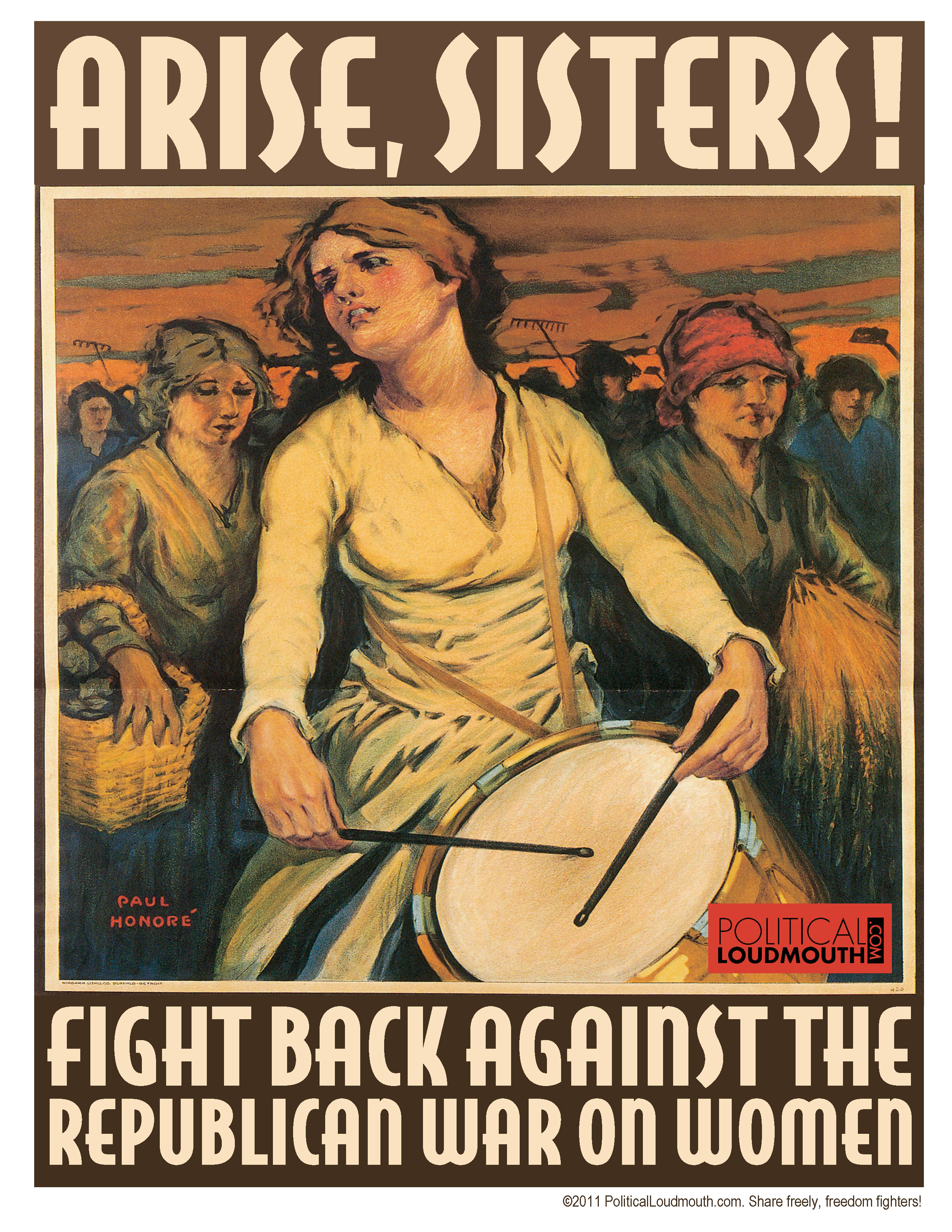
Reading this post again, and watching the (I think) overtly cynical and political effort by Democrats and the Obama Administration to increase the weight of the already heavy hand of the law in matters involving problems that are unique to or that disproportionately affect women, I think the importance of Conley v. Romeri extends beyond the original reason I posted it. Among other things, the case stands for the proposition that the government need not and should not treat women as if they are helpless against adversity, and must be accorded special privileges and protection Continue reading

Ethics Heroes: The U.S. Supreme Court

As the perfect tonic for all the attempts to silence Gilbert and Sullivan songs with controversial lyrics, reject bus ads espousing controversial positions, and declare that words like “target” are just too darn inflammatory for the sensitive, politically-correct ears of CNN viewers, here comes the U.S. Supreme Court, galloping to the rescue with a near unanimous (8-1), ringing reaffirmation that free speech is a bastion of American democracy, even when the speaker or speakers are vicious, unfair, cruel, radical and deluded. Continue reading

The Westboro Baptist Church and Free Speech: When Cruel and Unfair Can Still Be Right

The United States, as currently constituted, is a utilitarian nation. We embrace the inherent virtue of certain “natural” rights, and tolerate the frequent harm that some citizens commit while exercising the rights that all of us cherish. I think that is the correct philosophy, but it requires us to grit our teeth and re-read the Bill of Rights when the formula produces a nauseating result that is nonetheless right in our democratic culture. It was right to let the Nazis march in Skokie. It was right to let the Klan hold their non-violent, white supremacy demonstrations. And it was right for the court to make Albert Snyder pay the court costs when he lost his lawsuit against a hate group that disrupted his son’s funeral. No, it wasn’t fair, or kind, or empathetic. It was only right. Continue reading

So Much For “Don’t Be Evil”: YouTube and Google Ethics on Display

The Business Insider has posted evidence gathered by Viacom in its lawsuit against Google, consisting primarily  of e-mails and instant messages. It is far from conclusive on the legal issues, which revolve around YouTube and Google’s unauthorized use of copyrighted material. It is very conclusive, however, regarding how often any ethics alarms went off with various Google and YouTube executives as they contemplated bottom line issues: rarely.

Here is a startling example.  In a 2005 e-mail exchange YouTube co-founder Steve Chen reasoned thusly: Continue reading

The Difference Between Law and Ethics

[This essay was originally published on The Ethics Scoreboard in 2004, and has been one of the most read and discussed of all the posts there. Ethics Alarms will  periodically republished pieces from that site, sometimes updated and re-edited, sometimes not. This one is unchanged.]

In the instructive category of “Lawsuits that demonstrate the distinction between law and ethics,” we have the Massachusetts case of Conley v. Romeri.

Ms. Conley met Mr. Romeri when they were both in their 40s and divorced. As romance beckoned, Ms. Conley told her swain that she was childless, and wanted to begin a family before her biological clock struck midnight. The defendant, who had sired four children already, told her “not to worry.” He had seen a fortune-teller who had predicted that he would increase his number of children from four to six.

That held Ms. Conley for seven months. Then he told her that he had been vasectomized years ago.

Ms. Conley sued the bastard, claiming that her now ex-boyfriend had fraudulently misled her into believing he could father little Conleys in order to prolong the relationship, and that his actions had thrown her into emotional distress and depression.

Let us pause here and say that Mr. Romeri is a cur. Knowing that Ms. Conley was desperate for children and running out of time, he nonetheless deceived her for his own purposes, costing her perhaps her only chance to have the family she desired. For the fans of Bill Clinton out there, he was also clearly adept at Clintonesque deceit: he said “don’t worry” about having children, not that he was capable of creating them; he said a fortune- teller has assured him that he would have more kids, but never said her prediction was plausible. Mr. Romeri, like millions of deceitful people before him, probably doesn’t think he really lied. But of course he did.

The Massachusetts Appeals Court, however, found that while Mr. Romeri may have behaved abominably, it was not the place of the law to punish him.

Such claims, the judges said, “arise from conduct so intensely private that the courts should not be asked to resolve them….It does not lie within the power of any judicial system to remedy all human wrongs. Many wrongs which in themselves are flagrant–ingratitude, avarice, broken faith, brutal words and heartless disregard–are beyond any effective remedy.”

Our hearts go out to Ms. Conley. But the law will never succeed in making people be honest, caring, and fair. Only we can do that, by creating a society in which boys grow to manhood knowing that behavior like Mr. Romeri’s is wrong, and at the same time, a society where women take responsibility for their own welfare, without seeking government remedies for every challenge.