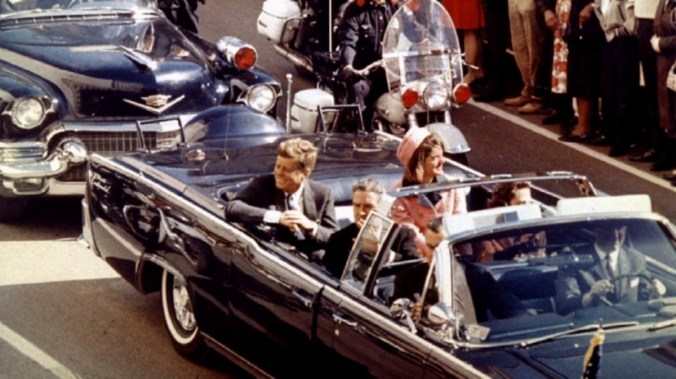
Again, I must invoke Curmie’s versatile “Oh bloody hell!”
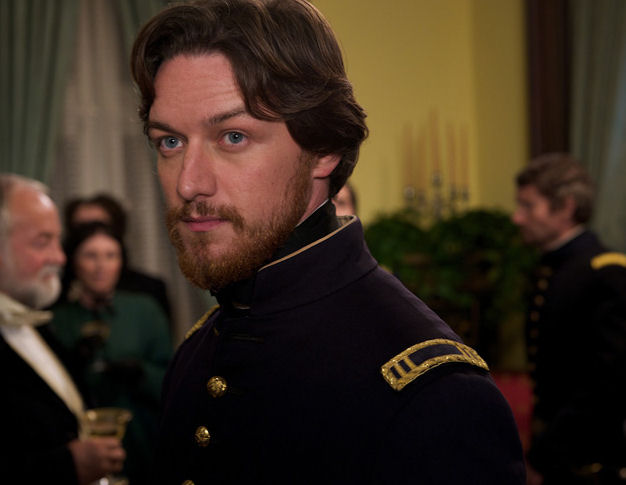
I have been studying Presidential assassination history and conspiracy theories since before I had to shave, and I have little patience with those who misrepresent, distort or exploit these events. Just two days ago, I was pointing out that the much-admired Stephen Sondheim musical “Assassins” was a blight on the culture despite my belief that entertainment should have a wide margin for creative license. The musical—the songs aren’t bad—is based on the absurd premise that John Wilkes Booth’s motivation for his decision to assassinate Lincoln is a mystery, and that, like other POTUS assassins and attempted assassins, he was trying to make a difference in a society that had ignored and marginalized him. That’s just crap for most of the historical killers and wackos portrayed in the show, but especially Booth. “Was it bad reviews, Johnny?” a balladeer croons. Of course not, you idiot: no assassin ever made his motivations clearer than John Wilkes Booth.
He was a dedicated Confederate partisan; he blamed Lincoln (correctly) for not letting the South go its own way, he was crushed that the South was headed for defeat, and believed that if the Union government could be decapitated (the plot was to kill Lincoln, Vice-President Johnson, Secretary of State Seward and General Grant in a single night) the South might yet prevail—and his plan might have worked. No mystery! But our history is constantly misrepresented to the historically ignorant and illiterate, that is to say, most of the public, often for the selfish purposes of rumormongers and worse.
You know, like Tucker Carlson.
 Ethics Alarms