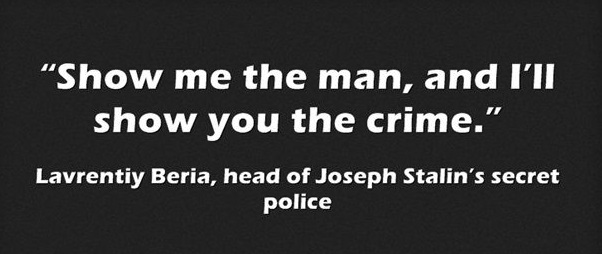
I. In the House impeachment Report, Chairman Nadler really and truly says this:
“The question is not whether the President’s conduct could have resulted from permissible motives. It is whether the President’s real reasons, the ones in his mind at the time, were legitimate. Where the House discovers persuasive evidence of corrupt wrongdoing, it is entitled to rely upon that evidence to impeach.”
Such an attitude and approach is smoking gun evidence of a rogue process. The President, of course, has not been interviewed, questioned or cross examined. His “real reasons” can only be a matter of speculation, based on the confirmation biases of his prosecutors. In ethics, motives just confuse the issue, because all human actions have complex and interacting motives. In law, malum in re, that is, objectively bad intent, often defines a crime (such as murder), but a legal action does not become illegal because the actor has some wrongful intentions, just as an illegal action doesn’t become legal because the malefactor meant well. For leaders, those who deal in power, distinguishing between rightful and wrongful acts based on motives is particularly difficult, if not impossible.
I suppose Nadler should be praised for candor, but the state of mind of Trump’s inquisitors could not be less trustworthy or more irresponsible. They believe the President to be corrupt, thus they interpret conduct by him which literally any other President could have (and has) engaged in without criticism or condemnation (except on a policy prudence basis) as impeachable. This has been the presumption from the beginning of his Presidency. No leader can function properly in such an environment….which was the idea. Continue reading


 Ethics Alarms