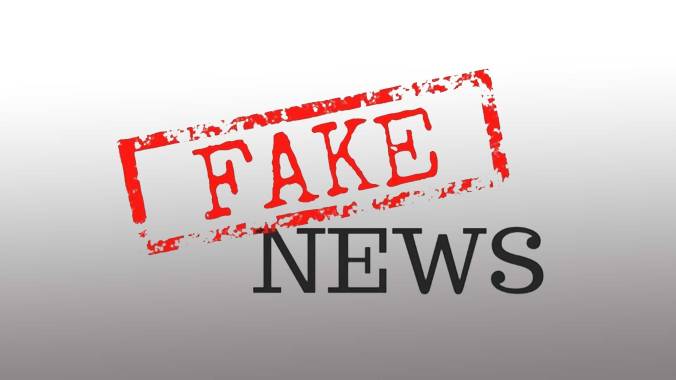
The New York Times end-of-year whine about how mean President Trump has been to the news media was headlined (in the print edition), “Trump Attacked News Media Even More in 2019.” That’s an assertion of fact. What does it mean? Well, the first sentence of the story reads, “On Twitter, President Trump deployed the phrase “fake news” 273 times this year — 50 percent more often than he did in 2018.” Is calling a story published by the news media “fake news” an “attack”? What if the story is objectively false or misleading as most—not all, but most—of those in question were?
For example, last week MSNBC aired an Iranian state media claim that the second round of rocket attacks on U.S. military installments in Iraq killed 30 U.S. soldiers, and that “we have just stepped over the precipice.” That’s irresponsible and lousy journalism. MSNBC hadn’t checked the claim, it just rushed it on the air. I don’t want to hear the Clintonian rationalizations that this wasn’t technically fake news, because the report was that the Iranians were saying that the 30 soldiers had been killed. It was a false report; it was misleading; it would upset the families of servicemen in the area (one journalist criticized it as “journo-terrorism”), and there was no excuse for it. If this kind of unprofessional hackery is criticized, by me, for example, is that an attack?
Such a characterization is more fake news. The news media is constantly pushing the dishonest and self serving position that to criticize journalists for their proven ethical breaches and betrayal of their duty to keep the public informed is to attack them, ergo this is an attack on journalism itself, hence it is an attack on Freedom of the Press, therefore it is an attack on democracy itself. Calling the news media on its now near complete transformation into a left-wing propaganda machine is, they surmise, is tarred by this false characterization built on successive unwarranted leaps of logic.
Journalists appear to really believe their own fake news in this case. I hear and read it over and over again: the decline in the public’s trust in news reporting, as reflected in many surveys and polls, is President Trump’s doing, as part of his grand plan to become a dictator. (See Big Lie #3). Their narcissistic delusion that they and their profession are beyond reproach is self-evidently in direct opposition to reality: the reason for the decline of American journalism’s credibility is its own, reckless , escalating dishonest, incompetence, bias and untrustworthiness.
The article is a good example of this itself. The second sentence in the piece says that the President “demanded ‘retribution’ over a ‘Saturday Night Live’ sketch.” Yes, that was self-evidently stupid, but what does a late night comedy show have to do with the news media? Nothing.
The article then moves on to another Big Lie it has repeatedly advocated, #6: “Trump’s Defiance Of Norms Is A Threat To Democracy.”
The “norm” in this case is, I guess, a President remaining passive and prostrate while most of the journalistic establishment openly allies itself with your adversaries—even foreign adversaries, like Iran— and dedicates its reporting to destroying your ability to govern. The Times writes, “Mr. Trump’s vilification of the news media is a hallmark of his tenure and a jagged break from the norms of his predecessors: Once a global champion of the free press, the presidency has become an inspiration to autocrats and dictators who ape Mr. Trump’s cry of ‘fake news.’”
Calling this a “jagged break from the norms of his predecessors” is another variety of fake news: fake history, in which the news media deliberately or incompetently makes the largely historically ignorant public more ignorant by falsely describing the past. My “favorite” example of this kind of fake news was when Presidential historian Doug Brinkley was put on the air by CNN on election night to salve the despair of Hillary supporters by explaining that America seldom elects the same party to the Presidency three terms in a row. What he said was completely wrong on the facts, not wrong as an opinion, just false. Nobody challenged him; there was no correction. Continue reading →





 Ethics Alarms