The old TV show “Naked City” used to intone at the end of every episode, “There are eight million stories in the naked city. This has been one of them.” There are far more than eight million ethics stories in our country’s rich and surprising history. This is one of those, and I pass it along to you.
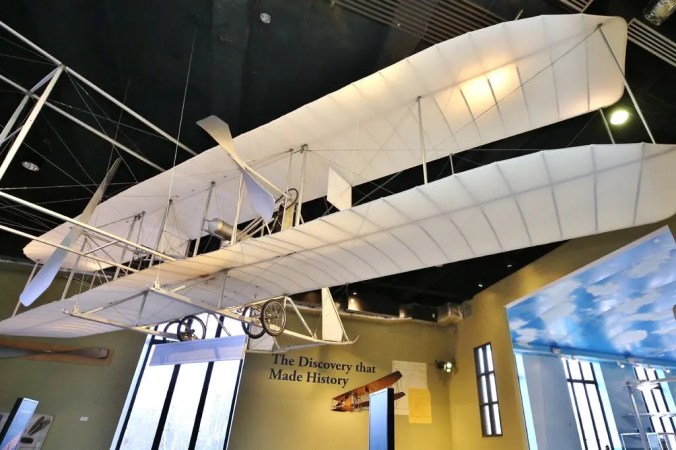
The Franklin Institute, a museum in Philadelphia inspired by the work of Ben Franklin and dedicated to the study of science, exhibits a plane built in 1911 by the Wright brothers. It was, they say, a gift from Grover C. Bergdoll, a strange man with a strange history who was once an infamous national figure but who is now forgotten.
He was a wealthy playboy who was heir to a Philadelphia beer brewing fortune. He dodged the Great War draft in 1917, failing to report for military service. He was already known for his irresponsible conduct, taking flying lessons from Orville Wright and buying a plane from the Wright brothers that he used to buzz buildings among other stunts. He had multiple accidents and traffic violations in automobile as a teenager, and served two months in jail after a head-on crash in 1913. Since he was rich and well known, the government decided to an example of him to discourage draft-dodgers, It distributing wanted posters with his face and name, and when the soldier who supposedly was drafted to take Bergdoll’s place died in combat, the New York had a front page headline, “Died Hero in Battle in Bergdoll’s Place.”
The story gets stranger. Bergdoll was finally captured in 1920 after an ongoing manhunt, and sentenced to prison for five years. He escaped after less than a year. He convinced authorities to temporarily release him from prison to help them find a “pot of gold” that he claimed to have buried. Bergdahl escaped while his two U.S. Army escorts became distracted (they were playing pool at his family mansion), fleeing in his chauffeur-driven car to Canada, from which he travelled to Germany. He married there, but often returned secretly to the United States. Reported sightings of Grover were headlines news.

 Ethics Alarms